

الاثنين : 26 أكتوبر 2026م
The National Council for Public Liberties and Human Rights Hosts a Joint Meeting Between the Parliamentary Committee Formed by the House of Representatives and the National Committee for the Preparation of the National Personal Data Protection Bill
Monday, 26 October 2026
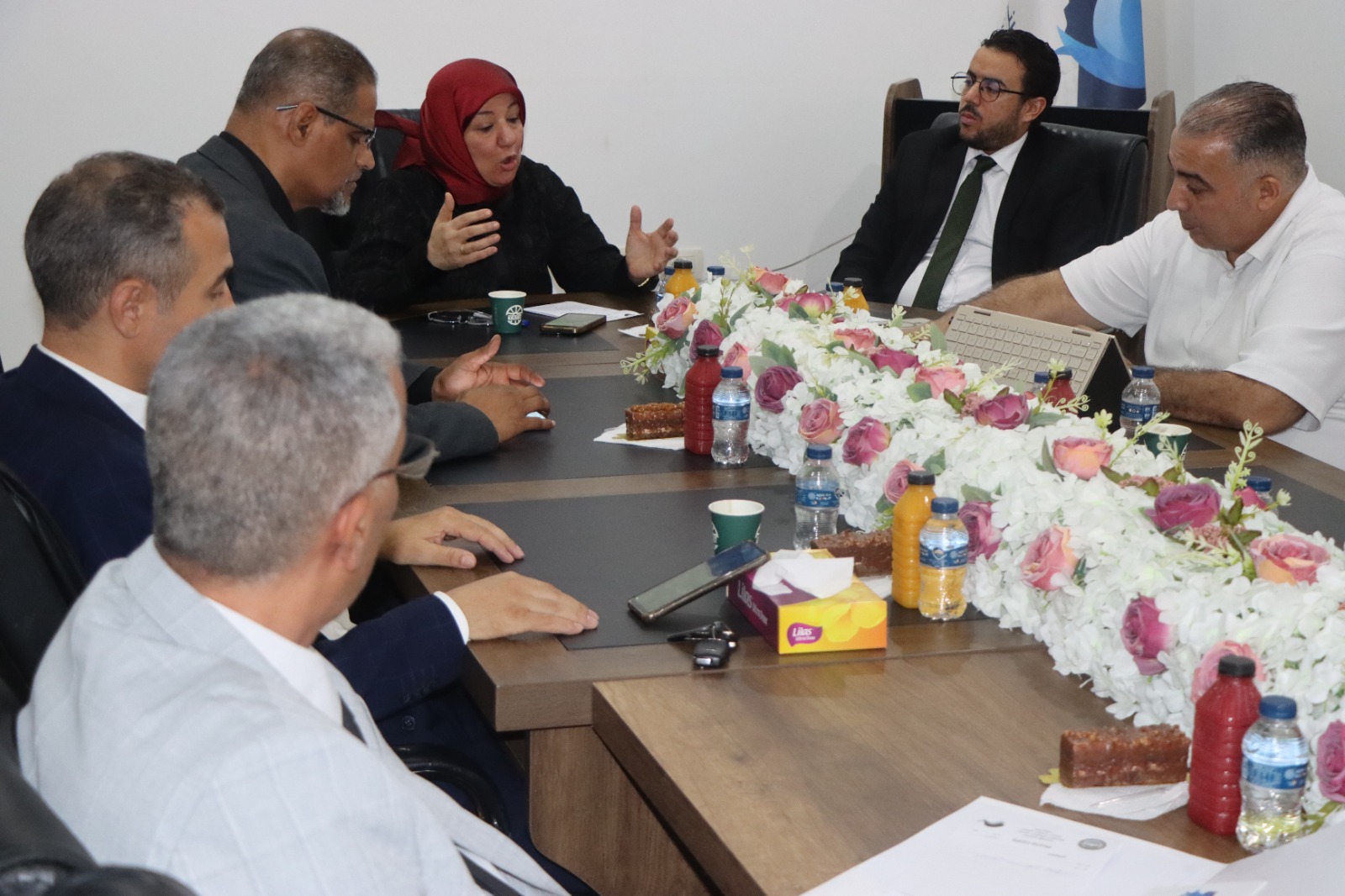
في إطار جهوده الوطنية الرامية إلى تعزيز حماية حقوق الإنسان والحريات الأساسية، وتطوير المنظومة التشريعية الليبية بما يواكب التحولات الرقمية المتسارعة، احتضن المجلس الوطني للحريات وحقوق الإنسان، صباح اليوم الاثنين بمقر ديوانه، اجتماعًا تقابليًا جمع اللجنة البرلمانية المشكلة من مجلس النواب، برئاسة الأستاذة أسماء الخوجة، واللجنة الوطنية المعنية بإعداد مشروع القانون الوطني لحماية البيانات الشخصية، المشكلة من المجلس الوطني للحريات وحقوق الإنسان بحضور المكلّف بتسيير أعمال المجلس ورئيس اللجنة الأستاذ عبدالمولى رمضان أنتيشة،، وأعضاء اللجنتين، وذلك لاستعراض الصيغة النهائية للمشروع ومناقشة أحكامه وضماناته القانونية، تمهيدًا لاستكمال خطوات عرضه وتطويره في إطار المسار التشريعي الوطني.
وافتتح الاجتماع الأستاذ عبدالمولى رمضان أنتيشة بكلمة أكد فيها أن حماية البيانات الشخصية أصبحت استحقاقًا تشريعيًا وحقوقيًا تفرضه طبيعة التحولات التكنولوجية، وما يصاحبها من تحديات متزايدة تمس الحياة الخاصة للأفراد وحقوقهم وحرياتهم الأساسية ، وأوضح أن المجلس يولي هذا الملف أهمية خاصة انطلاقًا من ولايته في تعزيز وحماية حقوق الإنسان، وإسهامه في تطوير التشريعات الوطنية وفق مقاربة حقوقية تستند إلى المعايير الدولية، وتراعي خصوصية الواقع الليبي ومتطلبات التحول الرقمي.
وأشار إلى أن المجلس بادر إلى إطلاق مسار إعداد مشروع القانون بموجب القرار رقم (253) لسنة 2023م، الذي قضى بتشكيل لجنة وطنية وتحديد مهامها، لتتولى إعداد مشروع تشريعي متكامل ينظم حماية البيانات الشخصية، ويحدد الضوابط القانونية لجمعها ومعالجتها وتخزينها وتداولها، ويكفل حماية الأفراد من الاستخدام غير المشروع لمعلوماتهم الشخصية، إلى جانب تحديد الالتزامات والمسؤوليات القانونية للجهات المعنية.
وقد اضطلعت اللجنة الوطنية، تحت رعاية المجلس، بإعداد المشروع وفق منهجية قانونية وحقوقية استندت إلى البحث والدراسة والمقارنة التشريعية، والاستفادة من المرجعيات الدولية والتجارب الوطنية والدولية ذات الصلة، فضلًا عن الاستعانة بالملاحظات والخبرات الفنية الدولية المتخصصة، بما أسهم في بلورة صياغة تشريعية تراعي متطلبات حماية الخصوصية، وتستجيب للتحديات القانونية والتنظيمية التي تفرضها البيئة الرقمية الحديثة.
من جانبها، استعرضت الأستاذة أسماء الخوجة، رئيسة اللجنة البرلمانية، لمحة عن تشكيل اللجنة وأهدافها واختصاصاتها والمهام الموكلة إليها، مؤكدة أهمية التنسيق مع المؤسسات الوطنية المعنية والاستفادة من الخبرات القانونية والفنية المتاحة ، كما أشادت بالجهود التي بذلها المجلس الوطني للحريات وحقوق الإنسان واللجنة الوطنية في إعداد مشروع القانون، وما تحقق من عمل مؤسسي وتخصصي أسهم في الوصول إلى صيغته النهائية.
وشهد الاجتماع عرضًا مرئيًا تناول أبرز أحكام المشروع ومخرجات أعمال اللجنة الوطنية، بما في ذلك الضمانات المتعلقة بحماية البيانات الشخصية، وتنظيم عمليات معالجتها واستخدامها والاحتفاظ بها، وحقوق أصحاب البيانات، والتزامات الجهات المتحكمة في البيانات أو القائمة على معالجتها، فضلًا عن مناقشة المهام والاختصاصات المقترحة للهيئة العامة المزمع إنشاؤها بموجب القانون، باعتبارها إحدى الآليات المؤسسية المعنية بتنظيم هذا المجال والإشراف على تنفيذ أحكامه، وفقًا لما ستقرره النصوص التشريعية النهائية.
كما تناول النقاش التحديات الحقوقية والقانونية المرتبطة بتطبيقات الذكاء الاصطناعي، وما تثيره من قضايا تتعلق بالخصوصية والشفافية والمساءلة ومخاطر التمييز، بما يؤكد أهمية وجود إطار تشريعي وطني قادر على مواكبة التطورات التقنية، وتحقيق التوازن بين متطلبات الابتكار والتحول الرقمي من جهة، وصون الكرامة الإنسانية والحقوق والحريات الأساسية من جهة أخرى.
وتتجاوز أهمية مشروع القانون الجانب الحقوقي إلى أبعاد مؤسسية وتنظيمية واقتصادية، بالنظر إلى دوره في تعزيز حوكمة البيانات، ورفع مستوى الثقة في التعاملات الرقمية والمالية، وتطوير الأطر القانونية ذات الصلة بأمن المعلومات والامتثال للمعايير الدولية. كما تبرز أهمية استكمال التشريعات الوطنية في هذا المجال ضمن جهود تطوير المنظومة المالية الليبية ومواكبة التقييمات الدولية ذات الصلة بالقطاع المالي، بما في ذلك التقييمات التي يجريها صندوق النقد الدولي والبنك الدولي في إطار برنامج تقييم القطاع المالي (FSAP)، مع مراعاة نطاق كل تقييم ومتطلباته المحددة.
وفي إطار استكمال المسار الوطني للمشروع، أعلن المجلس عن توجهه إلى تنظيم ندوة وطنية قبل نهاية عام 2026م، تحت رعايته، بمشاركة السلطات التشريعية والقضائية والتنفيذية والمؤسسات الوطنية ذات العلاقة، إلى جانب الخبراء والمتخصصين، لاستعراض مواد مشروع القانون ومناقشة أحكامه وضماناته، وتبادل الملاحظات والمقترحات بشأنه، بما يعزز التكامل المؤسسي ويوسع المشاركة الوطنية في تطوير الإطار التشريعي لحماية البيانات الشخصية.
ويعكس هذا التوجه حرص المجلس على ألا يقتصر إعداد المشروع على الجهد الفني للجنة المختصة، بل يمتد إلى إتاحة المجال أمام السلطات والمؤسسات المعنية لمراجعته ومناقشة أحكامه، بما يدعم جودة الصياغة التشريعية، ويعزز فرص تطبيق القانون بفاعلية، ويوضح الأدوار والمسؤوليات المؤسسية المرتبطة بتنفيذه.
ويؤكد المجلس الوطني للحريات وحقوق الإنسان أن الوصول إلى الصيغة النهائية لمشروع القانون يمثل محطة مهمة في مسار وطني يستهدف إرساء ضمانات قانونية مستدامة لحماية البيانات الشخصية، وتعزيز الحق في الخصوصية وفقًا للمرجعيات الدولية، وفي مقدمتها المادة (12) من الإعلان العالمي لحقوق الإنسان والمادة (17) من العهد الدولي الخاص بالحقوق المدنية والسياسية.
ويواصل المجلس، بالتعاون مع مجلس النواب واللجنة البرلمانية واللجنة الوطنية وسائر الشركاء الوطنيين، العمل على دعم استكمال هذا الاستحقاق التشريعي، بما يسهم في بناء بيئة رقمية أكثر أمانًا، وترسيخ مبادئ الشفافية والمساءلة وسيادة القانون، وضمان أن يظل الإنسان وحقوقه الأساسية محور السياسات والتشريعات المنظمة للتحول الرقمي في دولة ليبيا.
The National Council for Public Liberties and Human Rights Hosts a Joint Meeting Between the Parliamentary Committee Formed by the House of Representatives and the National Committee for the Preparation of the National Personal Data Protection Bill
Monday, 26 October 2026
As part of its national efforts to strengthen the protection of human rights and fundamental freedoms and to develop Libya’s legislative framework in line with accelerating digital transformations, the National Council for Public Liberties and Human Rights hosted a joint meeting on Monday morning at its headquarters. The meeting brought together the Parliamentary Committee formed by the House of Representatives, chaired by Ms. Asmaa Al-Khouja, and the National Committee tasked with preparing the National Personal Data Protection Bill, established by the National Council for Public Liberties and Human Rights. The meeting was attended by Mr. Abdulmoula Ramadan Antisha, Acting Head of the Council and Chair of the National Committee, as well as members of both committees. The meeting aimed to review the final draft of the bill, discuss its provisions and legal safeguards, and prepare for the completion of the subsequent steps in its consideration and development within the national legislative process.
At the opening of the meeting, Mr. Abdulmoula Ramadan Antisha delivered remarks emphasizing that the protection of personal data has become a legislative and human rights imperative in light of technological transformations and the growing challenges they pose to individuals’ privacy, rights, and fundamental freedoms. He explained that the Council attaches particular importance to this issue in accordance with its mandate to promote and protect human rights and its commitment to contributing to the development of national legislation through a human rights-based approach grounded in international standards and responsive to the specific circumstances of Libya and the requirements of digital transformation.
He noted that the Council had initiated the process of preparing the bill pursuant to Resolution No. (253) of 2023, which provided for the establishment of a national committee and defined its mandate. The Committee was tasked with drafting comprehensive legislation governing the protection of personal data, establishing the legal rules governing its collection, processing, storage, and transfer, safeguarding individuals against the unlawful use of their personal information, and defining the legal obligations and responsibilities of the relevant entities.
Under the Council’s auspices, the National Committee undertook the preparation of the bill through a legal and human rights-based methodology drawing on research, analysis, and comparative legislative studies. It also benefited from relevant international frameworks and national and international experiences, in addition to incorporating observations and specialized international technical expertise. These efforts contributed to the development of legislative provisions that take into account the requirements of privacy protection and respond to the legal and regulatory challenges posed by the modern digital environment.
For her part, Ms. Asmaa Al-Khouja, Chair of the Parliamentary Committee, provided an overview of the Committee’s establishment, objectives, mandate, and assigned tasks. She stressed the importance of coordination with relevant national institutions and of drawing on available legal and technical expertise. She also commended the efforts made by the National Council for Public Liberties and Human Rights and the National Committee in preparing the bill, highlighting the institutional and specialized work that had contributed to bringing the draft to its final form.
The meeting included a visual presentation outlining the key provisions of the bill and the principal outcomes of the National Committee’s work. These included safeguards for the protection of personal data; the regulation of its processing, use, and retention; the rights of data subjects; and the obligations of data controllers and data processors. The participants also discussed the proposed functions and powers of the General Authority to be established under the bill, as one of the institutional mechanisms intended to regulate this field and oversee the implementation of its provisions, in accordance with the final legislative text to be adopted.
Discussions also addressed the human rights and legal challenges associated with artificial intelligence applications and the issues they raise concerning privacy, transparency, accountability, and the risks of discrimination. These challenges underscore the importance of establishing a national legislative framework capable of keeping pace with technological developments while striking a balance between the requirements of innovation and digital transformation, on the one hand, and the protection of human dignity, rights, and fundamental freedoms, on the other.
The significance of the bill extends beyond the human rights dimension to encompass institutional, regulatory, and economic considerations, given its role in strengthening data governance, enhancing confidence in digital and financial transactions, and developing the legal frameworks relevant to information security and compliance with international standards. The importance of completing national legislation in this field is also evident in the broader efforts to develop Libya’s financial system and respond to relevant international assessments of the financial sector, including assessments conducted by the International Monetary Fund and the World Bank under the Financial Sector Assessment Program (FSAP), while taking into account the specific scope and requirements of each assessment.
As part of the ongoing national process to advance the bill, the Council announced its intention to organize a national symposium under its auspices before the end of 2026. The symposium will bring together representatives of the legislative, judicial, and executive authorities, relevant national institutions, experts, and specialists to review the provisions of the bill, discuss its safeguards and legal implications, and exchange comments and proposals. This initiative is intended to strengthen institutional coordination and broaden national participation in the development of the legislative framework for personal data protection.
This approach reflects the Council’s commitment to ensuring that the preparation of the bill does not remain confined to the technical work of the specialized committee, but also provides relevant authorities and institutions with opportunities to review and discuss its provisions. Such engagement is intended to improve the quality of legislative drafting, enhance the prospects for effective implementation, and clarify the institutional roles and responsibilities associated with enforcing the law.
The National Council for Public Liberties and Human Rights affirms that bringing the bill to its final draft stage represents an important milestone in a national process aimed at establishing sustainable legal safeguards for the protection of personal data and strengthening the right to privacy in accordance with international human rights instruments, particularly Article 12 of the Universal Declaration of Human Rights and Article 17 of the International Covenant on Civil and Political Rights.
In cooperation with the House of Representatives, the Parliamentary Committee, the National Committee, and other national partners, the Council will continue its efforts to support the completion of this important legislative undertaking. These efforts seek to contribute to a safer digital environment, consolidate the principles of transparency, accountability, and the rule of law, and ensure that individuals and their fundamental rights remain at the heart of the policies and legislation governing digital transformation in the State of Libya.
