
طرابلس : 20 سبتمبر 2026
ational Council for Public Liberties and Human Rights Organizes Training Programme on Strengthening Human Rights-Based Environmental Monitoring
Tripoli, 20 September 2026
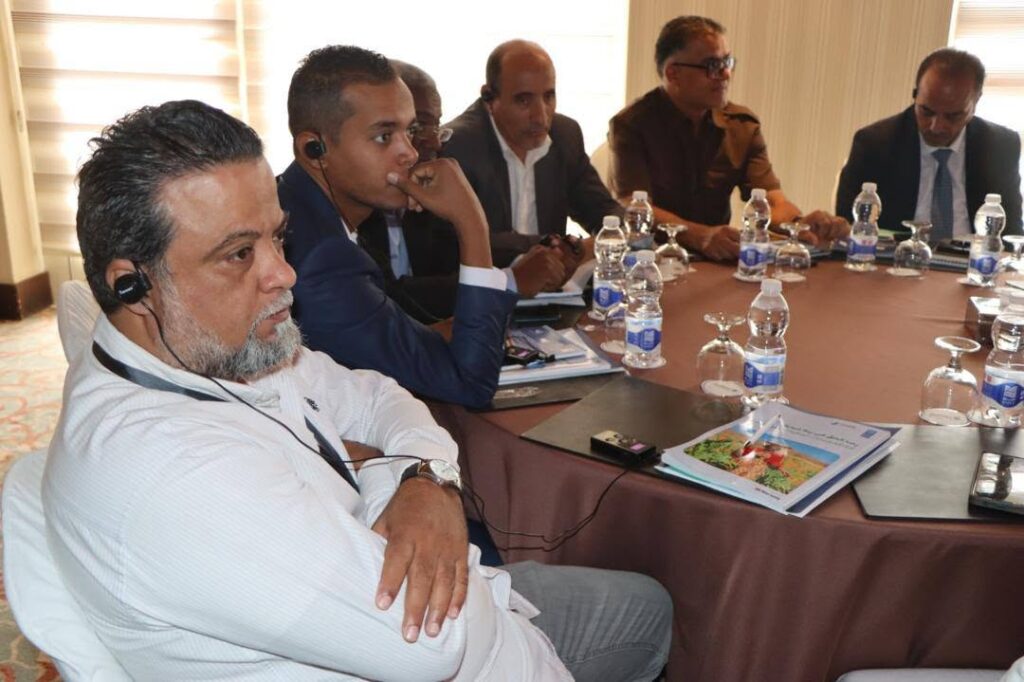
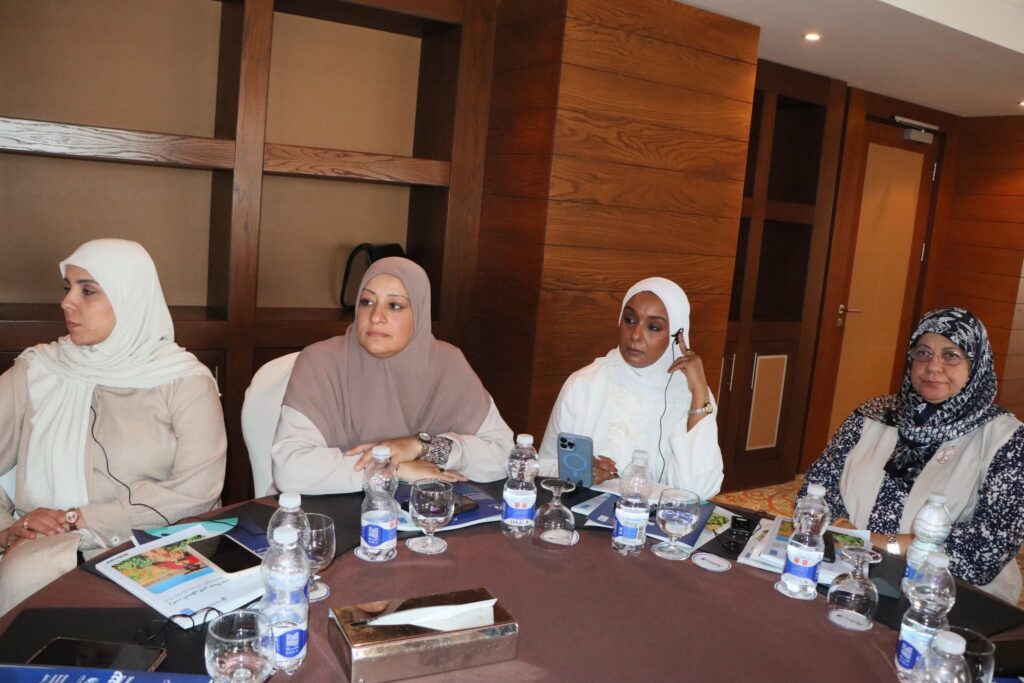
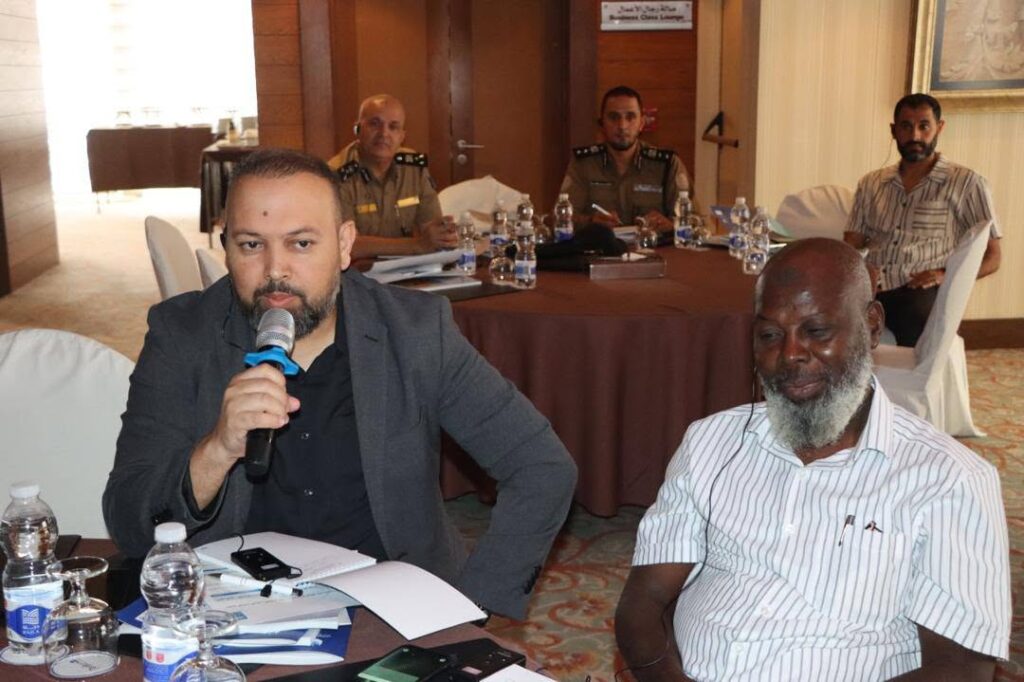
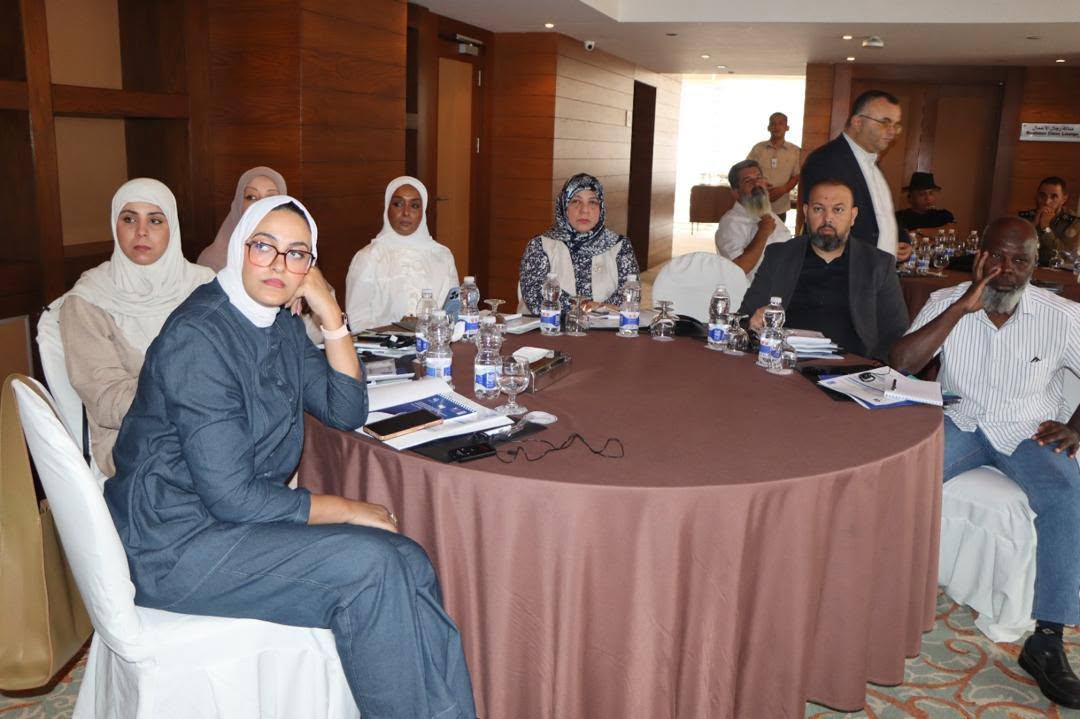
انطلقت صباح اليوم الأحد بفندق المهاري بالعاصمة طرابلس أعمال البرنامج التدريبي المتخصص حول تعزيز الرصد البيئي القائم على حقوق الإنسان ، الذي ينظمه المجلس الوطني للحريات وحقوق الإنسان، بدعم من برنامج الأمم المتحدة الإنمائي (UNDP) – مشروع العدالة وسيادة القانون وحقوق الإنسان، وبمشاركة عدد من موظفي المجلس من المناطق الشرقية والغربية والوسطى والجنوبية، و موظفي ديوان المجلس ، الي جانب ممثلي عن مكتب حقوق الإنسان بوزارة الداخلية وجهاز الشرطة البيئية.
ويأتي تنظيم هذا البرنامج في إطار جهود المجلس الرامية إلى تطوير قدراته المؤسسية والفنية في مجال الرصد والتوثيق والمتابعة وإعداد التقارير المتعلقة بالقضايا البيئية من منظور حقوق الإنسان، وتعزيز قدرات المؤسسات الوطنية ذات الصلة على التعامل مع التحديات البيئية وفق منهجية حقوقية تستند إلى المعايير الدولية وأفضل الممارسات ذات الصلة.
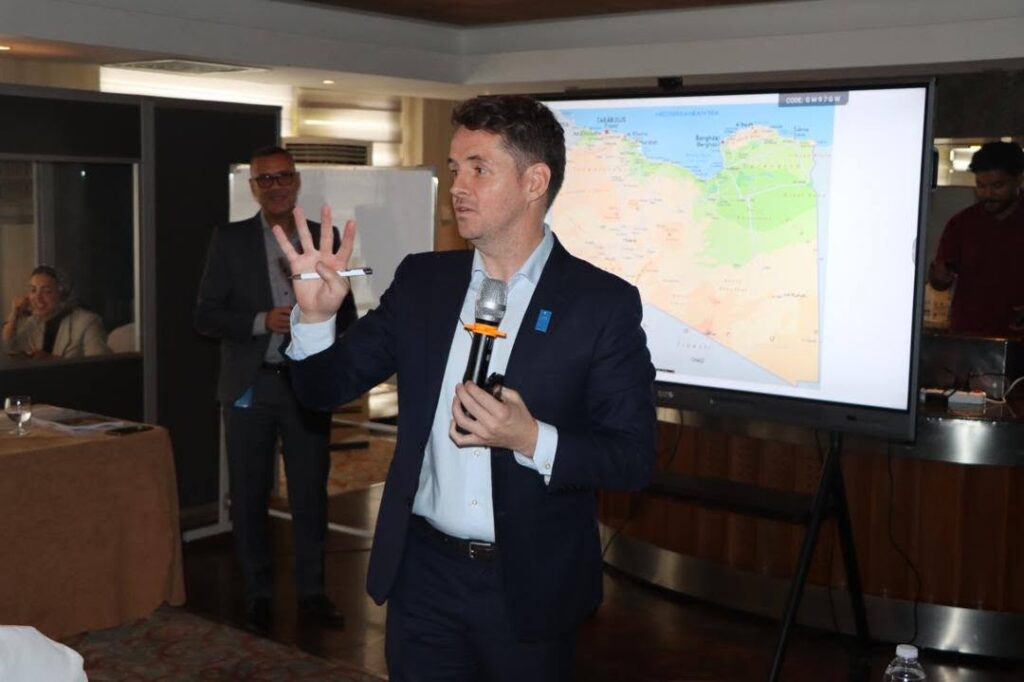
واستُهلت أعمال البرنامج بعرض مرئي تناول تقييم الحالة البيئية في ليبيا، قدمه الدكتور علي المنتصر، رئيس فريق الطاقة والبيئة ببرنامج الأمم المتحدة الإنمائي، مستعرضاً أبرز التحديات والقضايا البيئية وانعكاساتها على مسار التنمية والتمتع بالحقوق الأساسية.
ويتولى الدكتور شون أوكونيل، أخصائي سيادة القانون وحقوق الإنسان ببرنامج الأمم المتحدة الإنمائي، تقديم محاور البرنامج التدريبي، التي تركز على تطوير المهارات العملية والمنهجية في مجالات الرصد البيئي، وجمع المعلومات والبيانات، والتوثيق والتحليل، وتقييم الآثار الحقوقية للقضايا البيئية، وإعداد التقارير القائمة على الأدلة.
ويهدف البرنامج إلى تعزيز قدرات المجلس الوطني للحريات وحقوق الإنسان والمؤسسات الوطنية ذات الصلة في ليبيا على رصد وتوثيق والإبلاغ عن القضايا البيئية وانعكاساتها على حقوق الإنسان، بما يتسق مع المعايير الدولية ذات الصلة، ويسهم في دعم صنع السياسات والقرارات القائمة على الأدلة، وتعزيز المساءلة، وحماية حقوق المواطنين والحريات الأساسية.
ويستند البرنامج إلى مقاربة مفادها أن القضايا البيئية لم تعد شأناً تنموياً أو فنياً منفصلاً عن حقوق الإنسان، بل ترتبط ارتباطاً وثيقاً بمجموعة واسعة من الحقوق الأساسية، وفي مقدمتها الحق في الحياة والصحة والمياه والغذاء والسكن الملائم، فضلاً عن الحق في الحصول على المعلومات والمشاركة في الشأن العام، وغيرها من الحقوق التي قد تتأثر بصورة مباشرة أو غير مباشرة بالظروف البيئية.
كما يناقش البرنامج الآثار الحقوقية الناجمة عن عدد من التحديات البيئية، من بينها التلوث، وتدهور الموارد الطبيعية، وسوء إدارة النفايات، وتلوث المياه والهواء، والتصحر، وتغير المناخ، والضغوط المتزايدة على الموارد الطبيعية، وما قد تترتب عليها من مخاطر تمس تمتع الأفراد بحقوقهم الأساسية.
ويولي البرنامج اهتماماً خاصاً بمبدأ عدم ترك أحد خلف الركب، من خلال تناول الآثار المتفاوتة للتحديات البيئية على الفئات الأكثر عرضة للمخاطر، بالنظر إلى اختلاف الظروف الاجتماعية والاقتصادية والجغرافية ومدى القدرة على الوصول إلى الموارد والخدمات والحماية.
ويستمر البرنامج التدريبي على مدى ثلاثة أيام، بما يوفر للمشاركين مساحة عملية لتبادل الخبرات والمعارف، وتطوير أدوات ومنهجيات الرصد والتوثيق، بما يعزز دور المؤسسات الوطنية في متابعة القضايا البيئية من منظور حقوق الإنسان، ويسهم في بناء منظومة وطنية أكثر فاعلية في الرصد المبكر، والتوثيق، وإعداد التقارير، ودعم الاستجابات القائمة على الأدلة وحماية الحقوق والحريات الأساسية.
National Council for Public Liberties and Human Rights Organizes Training Programme on Strengthening Human Rights-Based Environmental Monitoring
Tripoli, 20 September 2026
The National Council for Public Liberties and Human Rights today launched a specialized training programme on “Strengthening Human Rights-Based Environmental Monitoring” at the Mahari Hotel in Tripoli. The programme is organized by the Council with the support of the United Nations Development Programme (UNDP) – Justice, Rule of Law and Human Rights Project, and brings together Council staff from Libya’s eastern, western, central and southern regions, alongside staff from the Council’s headquarters, representatives of the Human Rights Office at the Ministry of Interior, and the Environmental Police.
The programme forms part of the Council’s efforts to strengthen its institutional and technical capacities in monitoring, documenting, following up on and reporting environmental issues from a human rights perspective. It also seeks to enhance the capacities of relevant national institutions to address environmental challenges through a rights-based approach grounded in international standards and relevant good practices.
The programme opened with a visual presentation on the environmental situation in Libya, delivered by Dr. Ali Al-Muntasir, Head of the Energy and Environment Team at UNDP. The presentation highlighted key environmental challenges and their implications for sustainable development and the enjoyment of fundamental rights.
Dr. Sean O’Connell, Human Rights and Rule of Law Specialist at UNDP, is delivering the main training sessions, which focus on developing practical and methodological skills in environmental monitoring, information and data collection, documentation and analysis, assessment of the human rights impacts of environmental issues, and evidence-based reporting.
The programme aims to strengthen the capacity of the National Council for Public Liberties and Human Rights and other relevant national institutions in Libya to monitor, document and report on environmental issues and their human rights implications, in line with relevant international standards. It also seeks to contribute to evidence-based policymaking and decision-making, strengthen accountability, and protect citizens’ rights and fundamental freedoms.
The programme is based on the recognition that environmental issues can no longer be viewed solely as developmental or technical matters separate from human rights. They are closely connected to a broad range of fundamental rights, including the rights to life, health, water, food and adequate housing, as well as the right to access information and participate in public affairs.
It also addresses the human rights implications of a range of environmental challenges, including pollution, the degradation of natural resources, inadequate waste management, air and water pollution, desertification, climate change, and increasing pressure on natural resources, and the potential risks these challenges may pose to the enjoyment of fundamental rights.
Particular attention is given to the principle of “leaving no one behind”, including the differentiated impacts of environmental risks on groups that may be more vulnerable to environmental degradation, taking into account social, economic and geographic circumstances and differences in access to resources, services and protection.
The three-day training programme provides participants with an opportunity to exchange knowledge and experience and to develop practical tools and methodologies for environmental monitoring and documentation. It ultimately seeks to strengthen the role of national institutions in addressing environmental issues from a human rights perspective and contribute to a more effective national framework for early monitoring, documentation, evidence-based reporting and rights-based responses to environmental challenges