
الخميس: 12 نوفمبر 2026
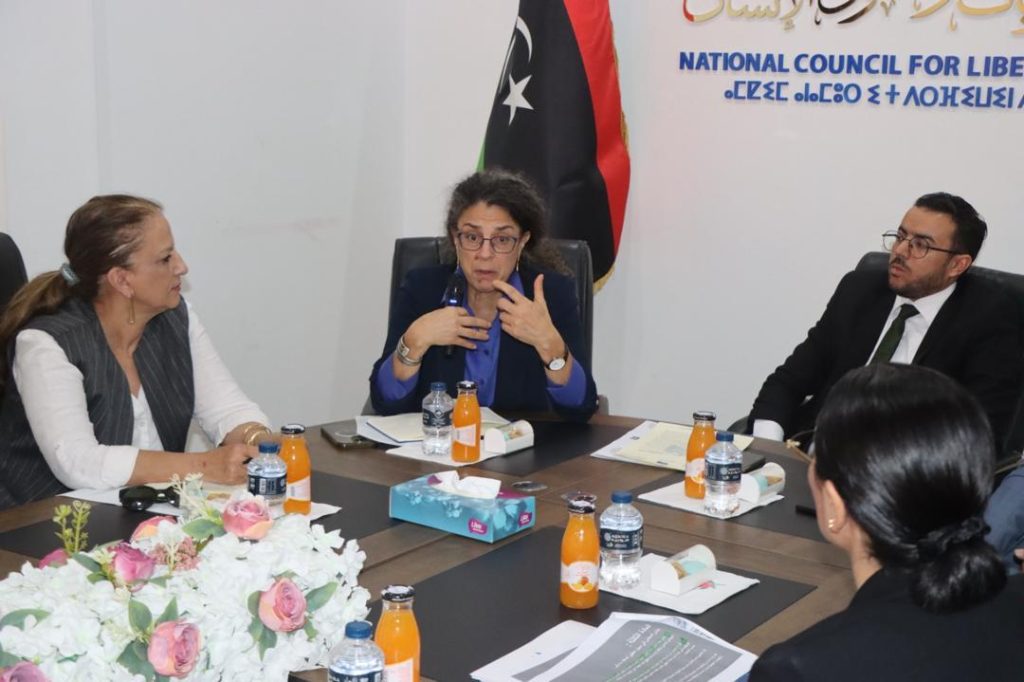
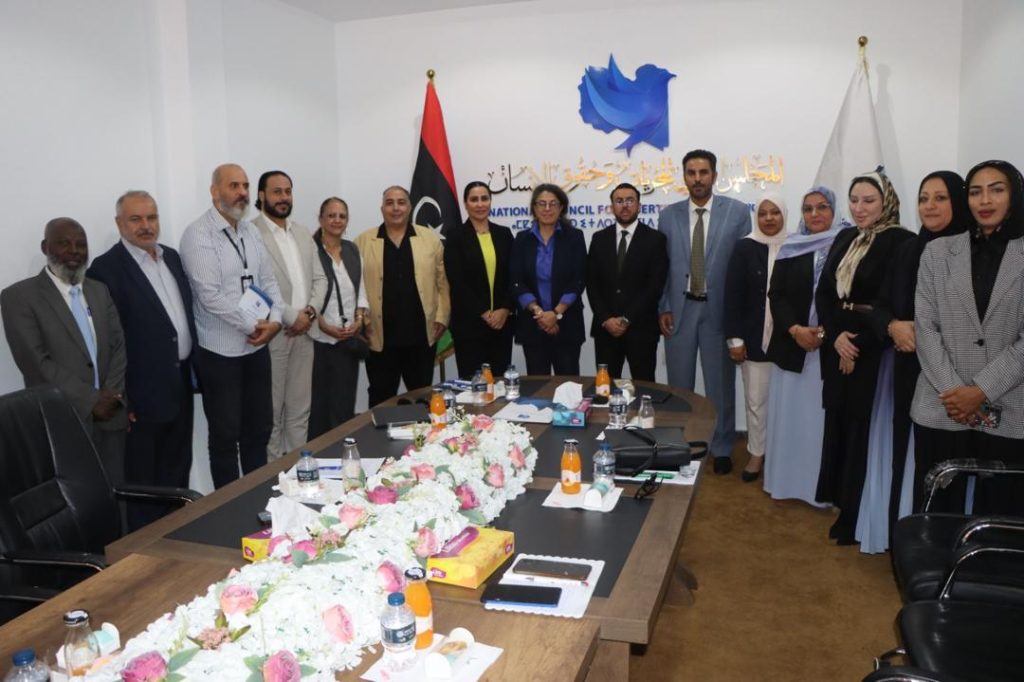
استقبل المجلس الوطني للحريات وحقوق الإنسان، ظهر اليوم الخميس بمقر ديوانه في طرابلس، السيدة ستيفاني خوري، نائبة الممثلة الخاصة للأمين العام للأمم المتحدة للشؤون السياسية في ليبيا، يرافقها السيدة خلود نجم، ممثلة قسم حقوق الإنسان وسيادة القانون والعدالة الانتقالية ببعثة الأمم المتحدة للدعم في ليبيا، وذلك في إطار التواصل المؤسسي وتعزيز التعاون مع المجلس، ودعم جهوده في أداء ولايته الوطنية وتعزيز دوره في حماية حقوق الإنسان وترسيخ مبادئ سيادة القانون.
وكان في استقبال الوفد الأستاذ عبدالمولى أبونتبشة، المكلّف بتسيير أعمال المجلس، وبحضور الأمين الإداري العام الأستاذ محمد المكشر، وعدد من مستشاري المجلس ومديري الإدارات المختصة.
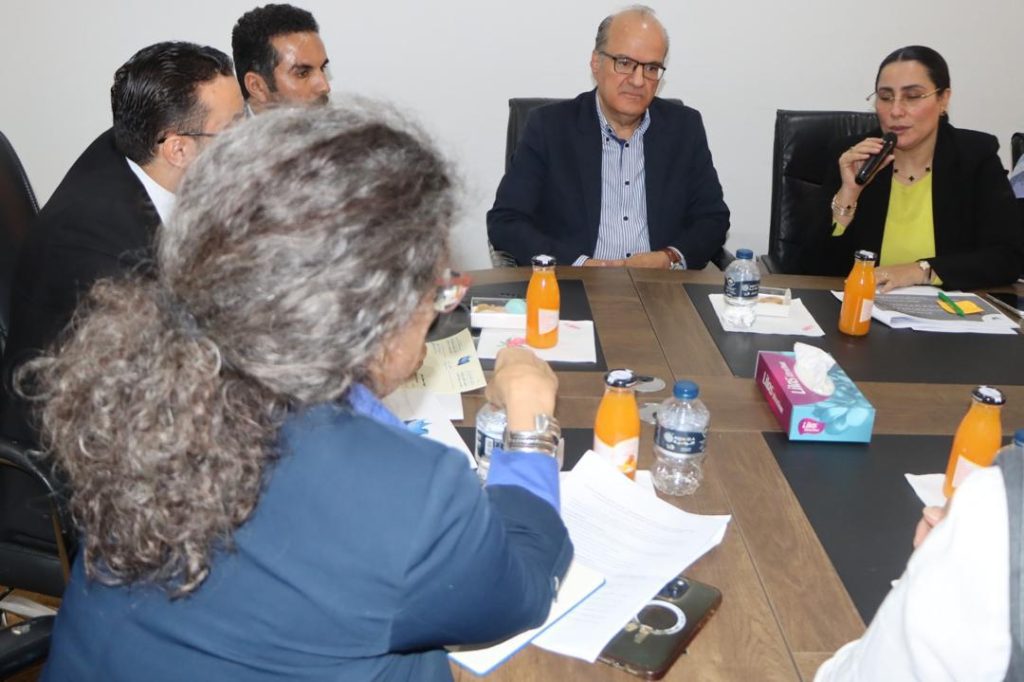
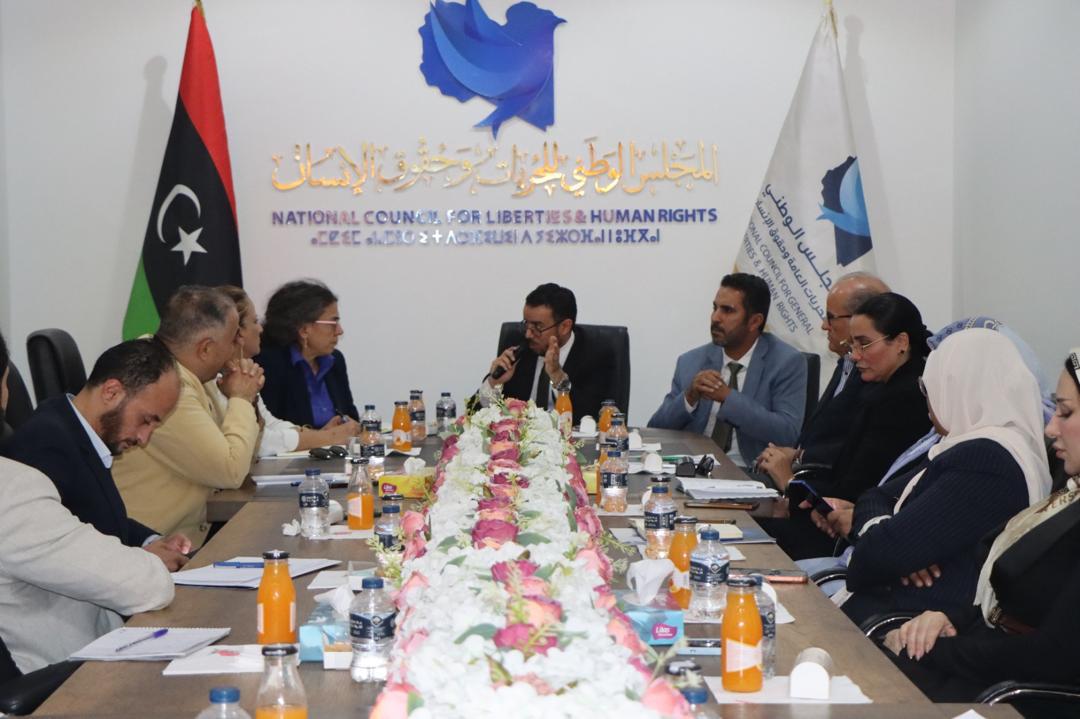
وعلى هامش الزيارة، عُقد اجتماع عمل رسمي استُعرضت خلاله الولاية القانونية للمجلس واختصاصاته باعتباره مؤسسة وطنية مستقلة لحقوق الإنسان، أُنشئت بموجب القانون رقم (5) لسنة 2011م، وتعمل وفق مبادئ باريس الناظمة لمركز المؤسسات الوطنية لحقوق الإنسان، وما تقتضيه من استقلالية مؤسسية وفاعلية في الرصد والحماية والتعزيز وتقديم المشورة للسلطات العامة بشأن قضايا حقوق الإنسان.
وقدم المكلّف بتسيير أعمال المجلس إحاطة حول أبرز الجهود والبرامج التي ينفذها المجلس على المستويين الوطني والدولي، وما يضطلع به من أدوار في متابعة أوضاع حقوق الإنسان، ورصد الانتهاكات وتوثيقها، والتعامل مع الشكاوى والبلاغات، وإعداد التقارير الحقوقية، إلى جانب الإسهام في تطوير السياسات والتشريعات الوطنية وتعزيز الامتثال للالتزامات الدولية لدولة ليبيا في مجال حقوق الإنسان.
كما استعرض مديرو الإدارات المختصة طبيعة اختصاصاتهم والبرامج الجاري تنفيذها، وأوجه التعاون مع الشركاء الدوليين، ولا سيما في مجال بناء القدرات المؤسسية والفنية، وتطوير أدوات الرصد والتوثيق وإعداد التقارير، وتحديث أدلة العمل والإجراءات التشغيلية، بما يعزز كفاءة الأداء ويرسخ اعتماد منهجيات مهنية تستند إلى المعايير والممارسات الدولية المعتمدة لدى المؤسسات الوطنية لحقوق الإنسان.
وتناول الاجتماع كذلك أبرز التحديات المالية والإدارية والفنية التي تواجه المجلس وتؤثر في قدرته على الاضطلاع بكامل اختصاصاته، رغم ما يبذله من جهود للمحافظة على استمرارية عمله وتوسيع نطاق تدخّلاته الحقوقية ، كما جرى التطرق إلى الاستحقاق المؤسسي المرتقب المتمثل في تولي دولة ليبيا رئاسة الشبكة العربية للمؤسسات الوطنية لحقوق الإنسان خلال شهر يناير 2027م، وما يتطلبه ذلك من استعدادات وترتيبات تنظيمية وفنية تليق بمكانة ليبيا والتزاماتها في إطار العمل العربي المشترك.
من جانبها، ثمّنت السيدة ستيفاني خوري الجهود التي يبذلها المجلس في مجال حقوق الإنسان، مشيدة بالدور الذي يضطلع به في ظل الظروف والتحديات الاستثنائية التي تعمل فيها المؤسسات الوطنية، ومؤكدة أهمية استمرار التواصل والتنسيق معه لتعزيز قدراته وتمكينه من أداء ولايته باستقلالية وفاعلية.
كما تناولت جملة من الاستفسارات المتعلقة بطبيعة عمل المجلس والتحديات التي تواجهه، وبصفة خاصة مسار استيفاء متطلبات وملاحظات قسم المؤسسات الوطنية والآليات الإقليمية التابع لمكتب المفوض السامي للأمم المتحدة لحقوق الإنسان، والجهود الرامية إلى الارتقاء بتصنيفه لدى التحالف العالمي للمؤسسات الوطنية لحقوق الإنسان من الفئة (B) إلى الفئة (A).
وفي هذا السياق، أوضح المجلس أن جانباً جوهرياً من الملاحظات المرتبطة بمتطلبات التصنيف يتصل بالإطار التشريعي المنظم لإنشائه واختصاصاته وضمانات استقلاليته، مشيراً إلى أن العمل قد أُنجز على إعداد مشروع قانون حديث لتطوير الإطار القانوني للمجلس ومعالجة تلك الملاحظات، بدعم فني من أحد الشركاء الدوليين وبرعاية قسم حقوق الإنسان وسيادة القانون والعدالة الانتقالية بالبعثة الأممية، وقد أُحيلت نسخة من مشروع القانون إلى السلطة التشريعية للنظر في اعتماده، بما يعزز الضمانات القانونية والمؤسسية اللازمة لتمكين المجلس من ممارسة ولايته وفق مبادئ باريس والمعايير الدولية ذات الصلة.
وأكدت السيدة خوري، في هذا الإطار، استعداد بعثة الأمم المتحدة للدعم في ليبيا، من خلال قسم حقوق الإنسان وسيادة القانون والعدالة الانتقالية، لمواصلة دعم المجلس ومساندة جهوده الرامية إلى استيفاء متطلبات التصنيف (A)، بما يعزز مكانته واستقلاليته ويطور قدراته على أداء دوره الوطني والدولي.
وفي ختام الزيارة، سلّم المجلس إلى السيدة ستيفاني خوري ملفاً مؤسسياً متكاملاً يتضمن عرضاً لأبرز التحديات الإدارية والمالية والفنية التي تواجه عمله، ومصفوفات بالأنشطة والبرامج التي نُفذت والجاري تنفيذها، إلى جانب مصفوفة المبادرات والأنشطة المستقبلية المنبثقة عن استراتيجية المجلس المعتمدة، بما يتيح للبعثة تكوين صورة شاملة عن احتياجات المجلس وأولوياته ومجالات التعاون الممكنة لدعم تطوير أدائه المؤسسي.
وتأتي هذه الزيارة في سياق التأكيد على أهمية المجلس الوطني للحريات وحقوق الإنسان باعتباره مؤسسة وطنية مستقلة تمثل إحدى الركائز الأساسية للمنظومة الوطنية لحماية حقوق الإنسان، وشريكاً مؤسسياً يمكن التعويل عليه في معالجة العديد من القضايا الوطنية ذات الصلة بحقوق الإنسان، من خلال ما يمتلكه من ولاية قانونية وخبرة مهنية وأدوات للرصد والتوثيق والتقييم وإبداء الرأي والمشورة.
كما تؤكد الزيارة أن تعزيز استقلالية المجلس وتمكينه مالياً وإدارياً وفنياً لا يمثلان مجرد استحقاق مؤسسي خاص به، بل يشكلان ضرورة وطنية لتعزيز سيادة القانون، وتحسين الاستجابة للتحديات الحقوقية، ودعم جهود دولة ليبيا في الوفاء بالتزاماتها الدولية، وترسيخ الثقة في المؤسسات الوطنية، وفق المعايير الدولية والممارسات الفضلى في مجال حقوق الإنسان
UN Deputy Special Representative of the Secretary-General Meets with the Leadership of the National Council for Public Liberties and Human Rights and Affirms UNSMIL’s Readiness to Support Its Efforts to Attain Category A Status
Thursday, 12 November 2026
The National Council for Public Liberties and Human Rights received, on Thursday afternoon at its headquarters in Tripoli, Ms. Stephanie Khoury, Deputy Special Representative of the Secretary-General of the United Nations for Political Affairs in Libya, accompanied by Ms. Kholoud Najm, representing the Human Rights, Rule of Law and Transitional Justice Section of the United Nations Support Mission in Libya (UNSMIL). The visit took place within the framework of institutional engagement and strengthening cooperation with the Council, as well as supporting its efforts to fulfil its national mandate and enhance its role in protecting human rights and upholding the rule of law.
The delegation was received by Professor Abdulmoula Abounteisha, Acting Head of the Council, in the presence of the Secretary-General for Administrative Affairs, Professor Mohammed Al-Mukashir, together with several of the Council’s advisers and directors of relevant departments.
On the sidelines of the visit, an official working meeting was held, during which the Council’s legal mandate and competencies were reviewed, highlighting its status as an independent national human rights institution established pursuant to Law No. (5) of 2011 and operating in accordance with the Paris Principles governing the status of national human rights institutions. These principles require institutional independence and effectiveness in monitoring, protecting and promoting human rights, as well as providing advice to public authorities on human rights matters.
The Acting Head of the Council provided an overview of the Council’s key efforts and programmes at both the national and international levels, highlighting its role in monitoring the human rights situation, identifying and documenting violations, handling complaints and reports, preparing human rights reports, contributing to the development of national policies and legislation, and strengthening compliance with the State of Libya’s international human rights obligations.
Directors of the relevant departments also outlined their respective mandates and ongoing programmes, as well as the areas of cooperation with international partners, particularly in institutional and technical capacity-building, the development of monitoring, documentation and reporting tools, and the updating of working guidelines and standard operating procedures. These efforts aim to enhance institutional performance and consolidate the adoption of professional methodologies consistent with internationally recognised standards and best practices applicable to national human rights institutions.
The meeting also addressed the main financial, administrative and technical challenges facing the Council and affecting its ability to fully discharge its mandate, despite its continued efforts to maintain the continuity of its operations and expand the scope of its human rights interventions.
Discussions further covered an important forthcoming institutional commitment: the anticipated assumption by the State of Libya of the Presidency of the Arab Network of National Human Rights Institutions in January 2027, and the organisational and technical preparations required to ensure that Libya fulfils this responsibility in a manner befitting its standing and commitments within the framework of joint Arab action.
For her part, Ms. Stephanie Khoury commended the efforts undertaken by the Council in the field of human rights, acknowledging the role it continues to play amid the exceptional circumstances and challenges confronting national institutions. She emphasised the importance of maintaining communication and coordination with the Council in order to strengthen its capacities and enable it to discharge its mandate independently and effectively.
Ms. Khoury also raised a number of questions concerning the nature of the Council’s work and the challenges it faces, particularly with regard to the process of addressing the requirements and observations of the National Institutions and Regional Mechanisms Section of the Office of the United Nations High Commissioner for Human Rights (OHCHR), and the ongoing efforts to upgrade the Council’s accreditation status with the Global Alliance of National Human Rights Institutions (GANHRI) from Category B to Category A.
In this regard, the Council explained that a substantial part of the observations relating to accreditation requirements concerns the legislative framework governing its establishment, mandate and guarantees of independence. The Council noted that a modern draft law had been prepared to reform its legal framework and address these observations, with technical support from an international partner and under the auspices of UNSMIL’s Human Rights, Rule of Law and Transitional Justice Section.
A copy of the draft law has been submitted to the legislative authority for consideration and adoption. Its enactment would strengthen the legal and institutional safeguards necessary to enable the Council to exercise its mandate in accordance with the Paris Principles and relevant international standards.
Ms. Khoury affirmed, in this context, UNSMIL’s readiness, through its Human Rights, Rule of Law and Transitional Justice Section, to continue supporting the Council and assisting its efforts to meet the requirements for Category A accreditation, thereby strengthening its standing and independence and further developing its capacities to fulfil its national and international role.
At the conclusion of the visit, the Council presented Ms. Stephanie Khoury with a comprehensive institutional dossier containing an overview of the key administrative, financial and technical challenges affecting its work; matrices detailing activities and programmes already implemented and currently underway; and a matrix of future initiatives and activities derived from the Council’s adopted strategy.
This documentation is intended to provide the Mission with a comprehensive understanding of the Council’s needs, priorities and potential areas of cooperation to support the development of its institutional performance.
The visit comes within the broader context of reaffirming the importance of the National Council for Public Liberties and Human Rights as an independent national institution and one of the fundamental pillars of Libya’s national human rights protection system. It is also an institutional partner whose legal mandate, professional expertise and monitoring, documentation, assessment and advisory capacities make it a valuable contributor to addressing numerous national human rights issues.
Furthermore, the visit underscores that strengthening the Council’s independence and ensuring its financial, administrative and technical empowerment are not merely institutional requirements pertaining to the Council itself. Rather, they constitute a national necessity for advancing the rule of law, improving responses to human rights challenges, supporting the State of Libya’s efforts to fulfil its international obligations, and consolidating public confidence in national institutions, in accordance with international standards and best practices in the field of human rights.