
الأربعاء : 30 سبتمبر 2026
Joint Human Rights Visit by the National Council for Public Liberties and Human Rights and the United Nations Support Mission in Libya to Bir Al-Ghanam Migrant Shelter to Follow Up on Migrants’ Conditions and Efforts to Improve Humanitarian Conditions
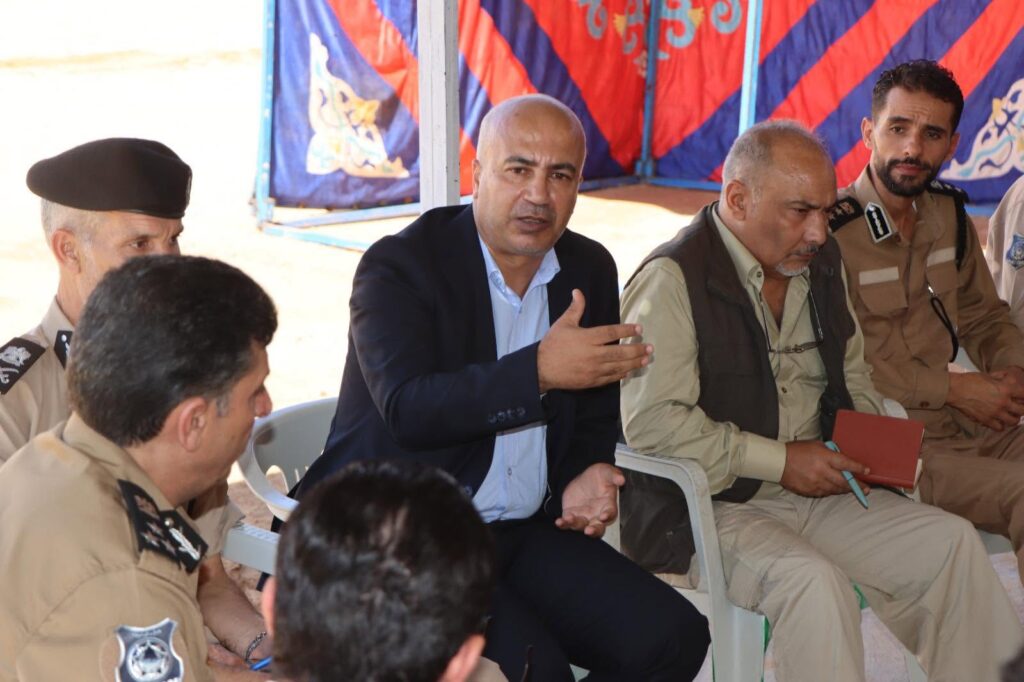
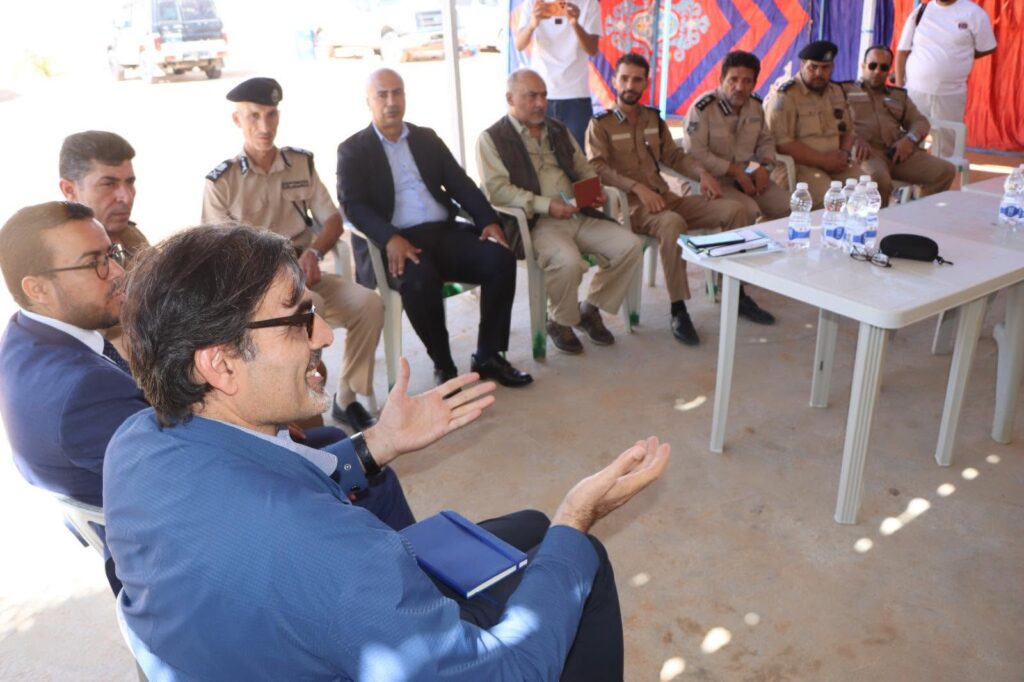
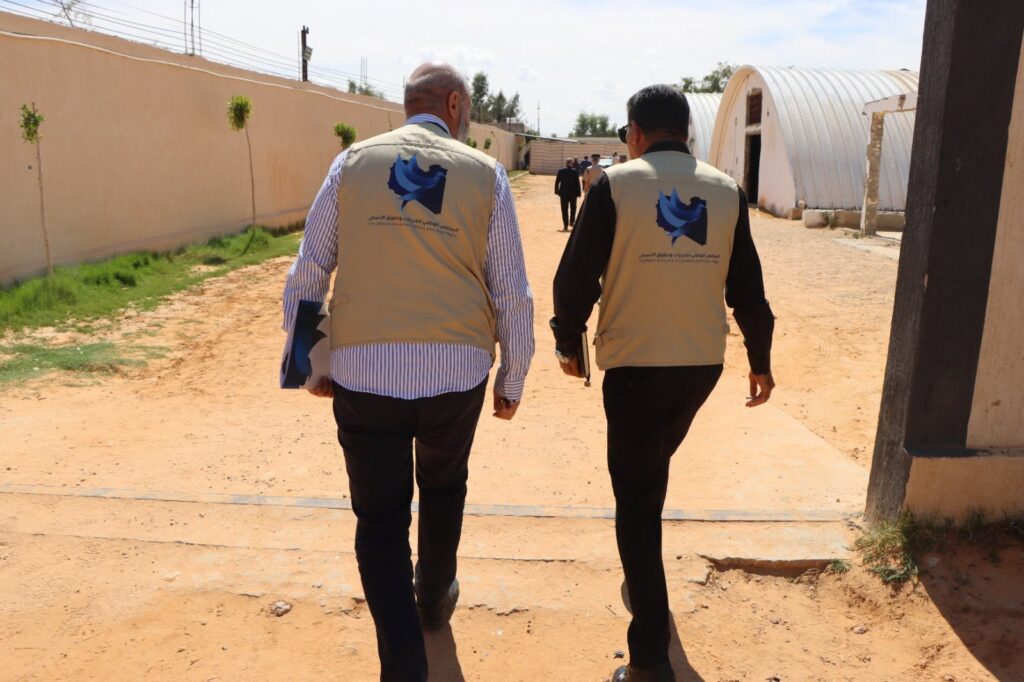
أجرى المجلس الوطني للحريات وحقوق الإنسان، صباح اليوم الأربعاء، زيارة ميدانية إلى مركز إيواء المهاجرين غير الشرعيين بمنطقة بئر الغنم، الذي يبعد نحو 90 ك جنوب غرب العاصمة طرابلس، وذلك في إطار متابعة أوضاع المهاجرين والوقوف بصورة مباشرة على ظروف الإيواء والرعاية والخدمات المقدمة لهم، ورصد الجهود والتحديات المرتبطة بإدارة المركز.
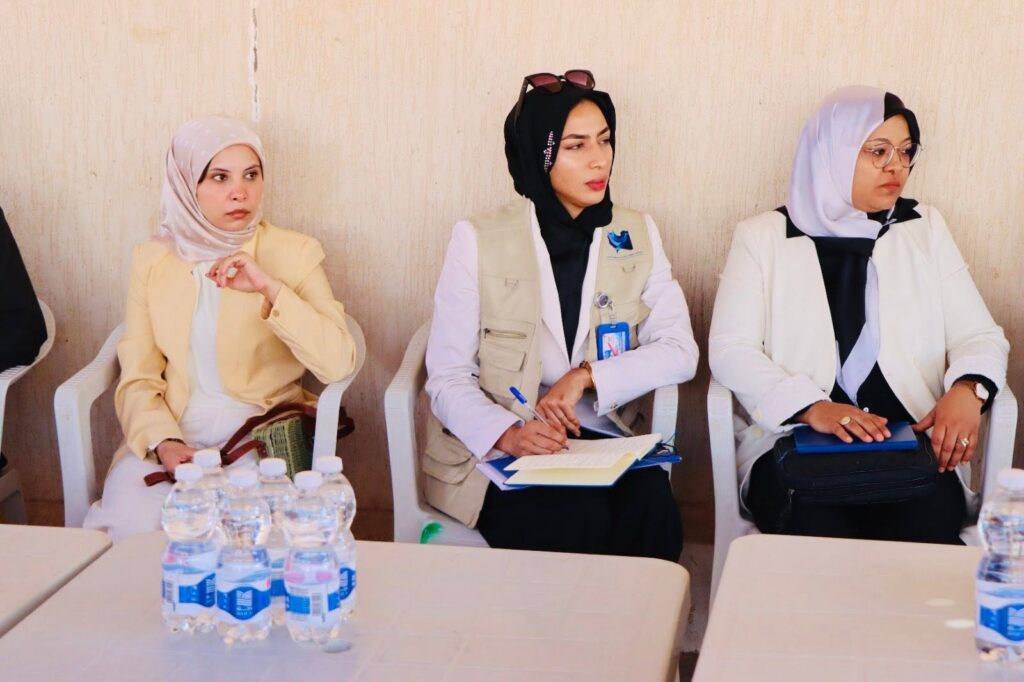
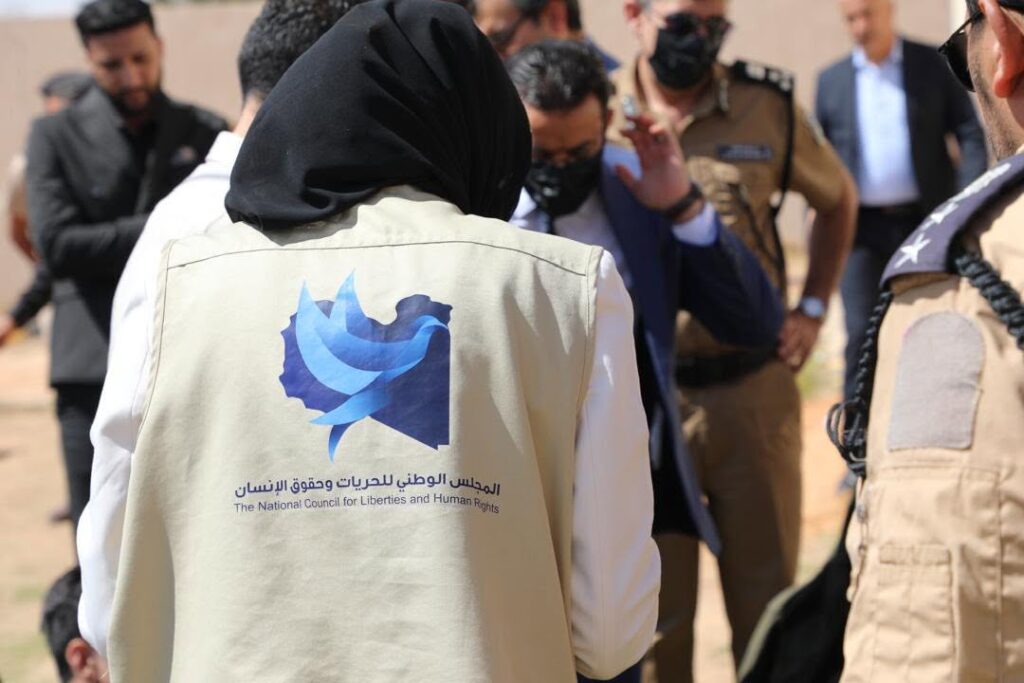
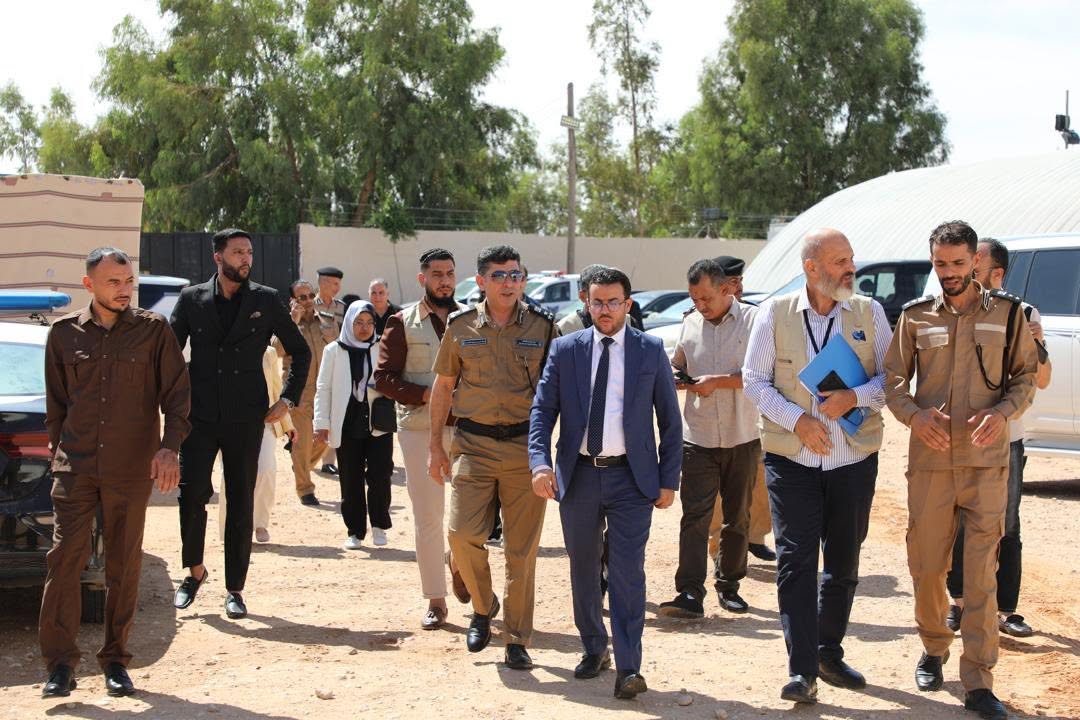
وترأس الفريق الحقوقي المكلف بتسيير أعمال المجلس، الأستاذ عبدالمولى أبونتيشة ، رفقة عدد من مديري الإدارات وفريق المجلس المختص بالزيارات الميدانية لمتابعة أوضاع أماكن الاحتجاز والإيواء، وبمشاركة السيد الحسن رضائي، ممثل قسم حقوق الإنسان والعدالة الانتقالية وسيادة القانون ببعثة الأمم المتحدة للدعم في ليبيا.
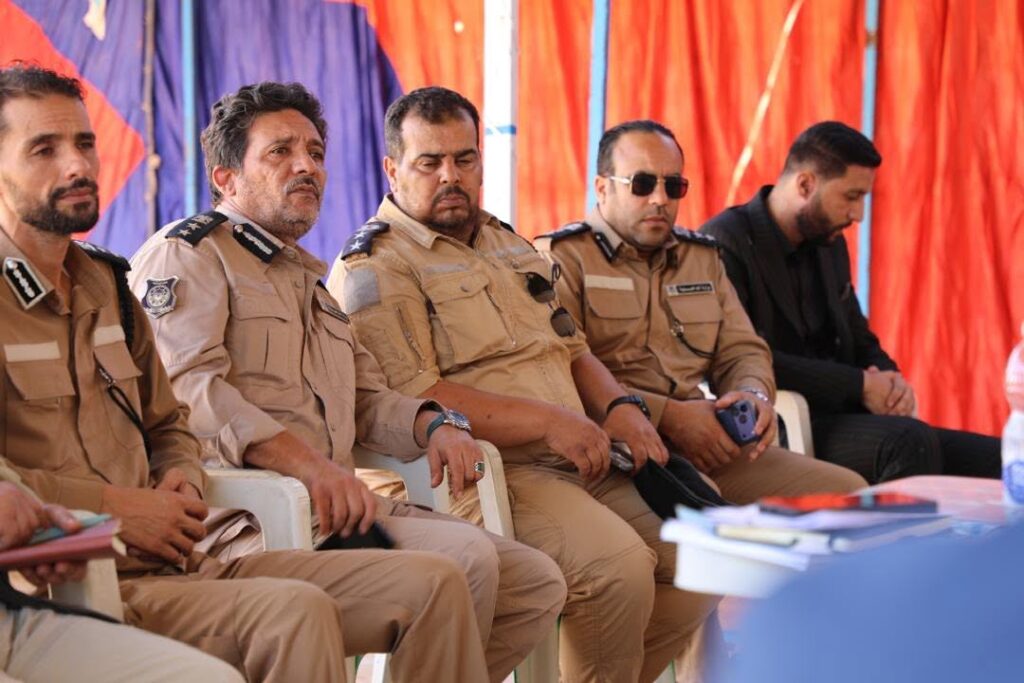
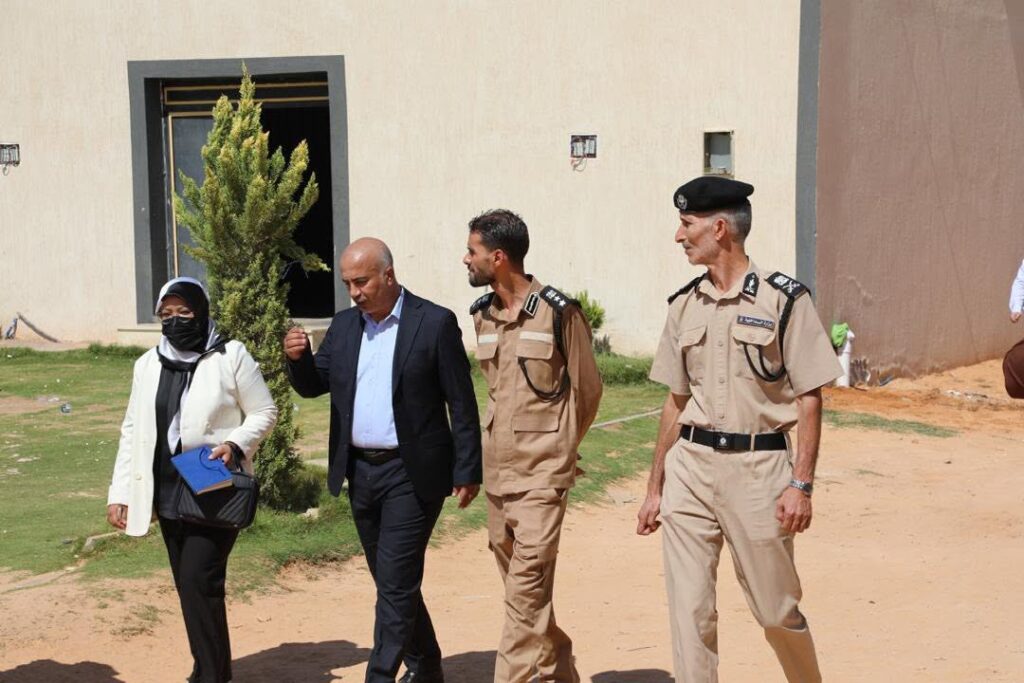
وكان في استقبال الفريق لدى وصوله مدير إدارة مكافحة الهجرة غير الشرعية، ومدير مكتب حقوق الإنسان بوزارة الداخلية، ومدير مركز إيواء بئر الغنم، إلى جانب عدد من الضباط والمسؤولين بالإدارة والمركز.
وفي مستهل الزيارة، قُدمت للفريق إحاطة حول طبيعة عمل المركز وآليات إدارته، والجهود التي تبذلها وزارة الداخلية، ممثلة في إدارة مكافحة الهجرة غير الشرعية، لتوفير متطلبات الإيواء والرعاية وتحسين الظروف الإنسانية للمهاجرين الموجودين بالمركز، إلى جانب استعراض أبرز التحديات التي تواجه الجهات المختصة في إدارة المركز.
كما اطلع الفريق على البيانات المتعلقة بأعداد المهاجرين الموجودين بالمركز، والتي تجاوزت 360 مهاجراً غير شرعي من جنسيات متعددة، من بينها بنغلاديش وباكستان ومصر والجزائر وسوريا والنيجر والصومال وإثيوبيا ونيجيريا والسودان، حيث أوضحت الجهات المشرفة أن غالبية الحالات الموجودة بالمركز جرى إنقاذها أو ضبطها في البحر.
وتناول اللقاء الإجراءات المتخذة حيال أوضاع المهاجرين، ولا سيما ما يتعلق بالتواصل والتنسيق مع السفارات والبعثات الدبلوماسية للدول التي ينتمي إليها المهاجرون، واستكمال الإجراءات اللازمة بشأن العودة أو الترحيل، وفق الأطر القانونية والإجراءات المعمول بها، وبما يراعي الضمانات والمبادئ ذات الصلة بحقوق الإنسان.
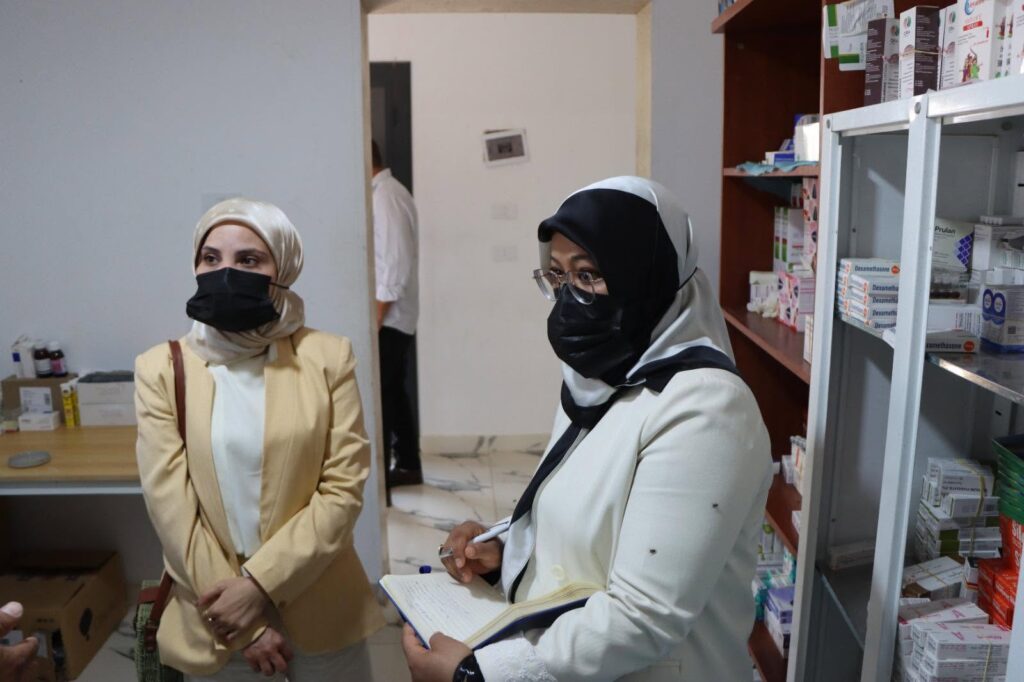
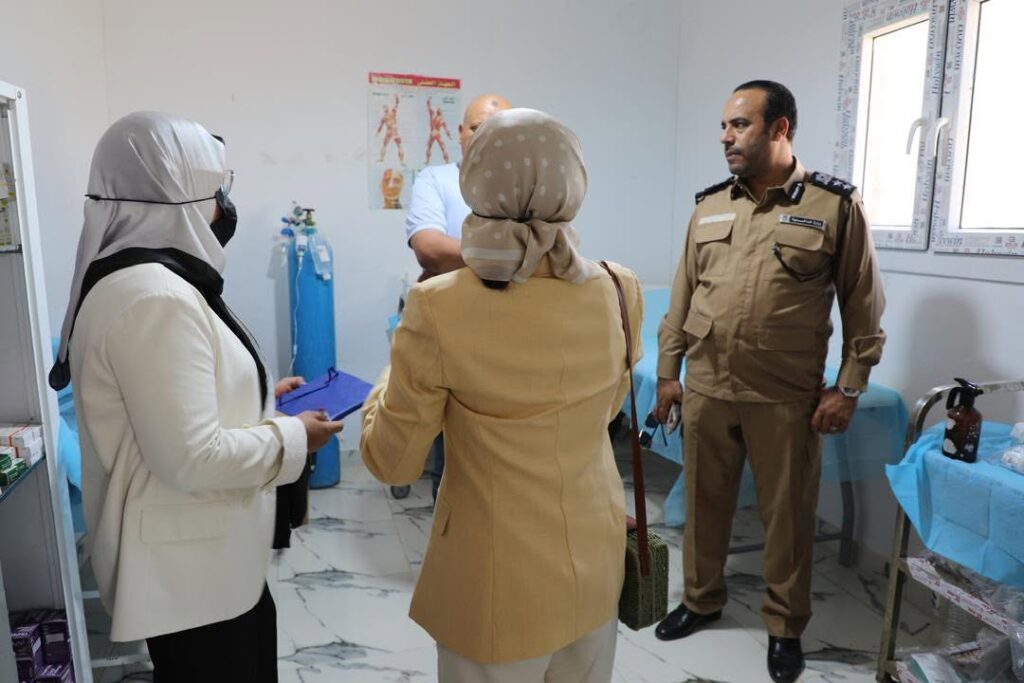
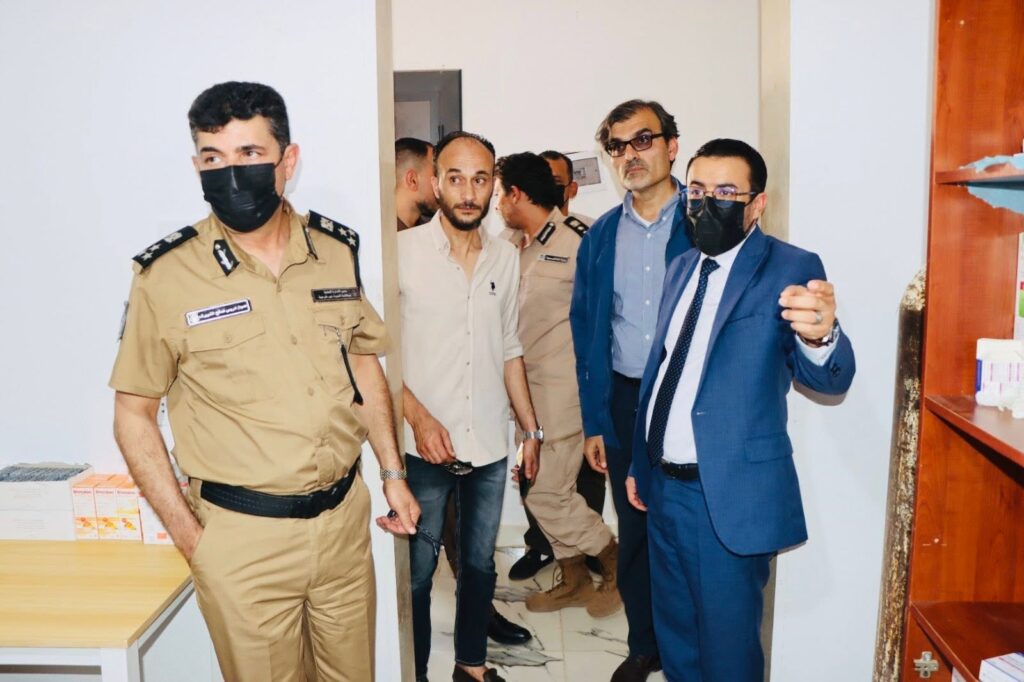
وعقب ذلك، أجرى الفريق الحقوقي المشترك جولة ميدانية داخل المركز، شملت أماكن إقامة المهاجرين والمرافق والخدمات المتاحة، حيث وقف على الظروف المعيشية والصحية ومستوى توفر الاحتياجات الأساسية، واستمع إلى الإيضاحات المقدمة من المسؤولين بشأن آليات تقديم الخدمات والتعامل مع الحالات الموجودة بالمركز ، وقد أفاد مسؤولو مركز الإيواء الفريق الحقوقي بأن النساء والأطفال لا يتم إيداعهم بالمركز، وإنما يجري التنسيق مع سفارات وبعثات دولهم لتولي استلامهم ومتابعة أوضاعهم، بما يراعي خصوصية هذه الفئات واحتياجات حمايتها وفق الإجراءات المعمول بها.
كما بحث الفريق أبرز التحديات التي تواجه إدارة المركز والجهات المختصة بوزارة الداخلية، وفي مقدمتها ارتفاع أعداد المهاجرين، وتعدد جنسياتهم، ومتطلبات توفير الخدمات الأساسية، والإجراءات المرتبطة بالتواصل مع السفارات والبعثات الدبلوماسية، والحاجة إلى استمرار التنسيق بين مختلف الجهات الوطنية والدولية المعنية بملف الهجرة.
وفي هذا السياق، أكد المجلس الوطني للحريات وحقوق الإنسان أهمية أن تتم إدارة أوضاع المهاجرين وفق التشريعات الوطنية والمبادئ والمعايير الدولية ذات الصلة، بما يكفل احترام الكرامة الإنسانية، والمعاملة الإنسانية، وتوفير الرعاية الصحية والاحتياجات الأساسية، مع إيلاء اهتمام خاص للحالات والفئات التي قد تكون في حاجة إلى حماية أو رعاية إضافية.
كما شدد الفريق على أهمية تعزيز التعاون بين الجهات الوطنية المختصة والشركاء الدوليين، بما يدعم تطوير آليات إدارة مراكز الإيواء، وتحسين مستوى الخدمات المقدمة للمهاجرين، ومعالجة التحديات العملية التي تواجه الجهات القائمة على إدارة هذه المراكز، في إطار واضح من المسؤولية القانونية والإنسانية المشتركة.
وتأتي هذه الزيارة في إطار الدور الرقابي والحقوقي للمجلس الوطني للحريات وحقوق الإنسان، واختصاصه في رصد أوضاع حقوق الإنسان ومتابعة أماكن الاحتجاز والإيواء وتوثيق الملاحظات والتحديات ورفع التوصيات إلى الجهات المختصة، بما يسهم في تعزيز حماية الحقوق والحريات العامة وترسيخ مبادئ سيادة القانون والمعاملة الإنسانية.
وأكد المجلس استمرار متابعته لأوضاع المهاجرين داخل مراكز الإيواء، وحرصه على مواصلة التنسيق والتعاون مع وزارة الداخلية، وإدارة مكافحة الهجرة غير الشرعية، وبعثة الأمم المتحدة للدعم في ليبيا، والجهات الدولية المختصة، وكافةً السلطات الوطنية المختصة بما يسهم في دعم الجهود الوطنية لمعالجة ملف الهجرة، وتعزيز احترام حقوق الإنسان والكرامة الإنسانية، وترسيخ مقاربة تقوم على التعاون المؤسسي وتكامل الأدوار والمسؤولية المشتركة.
Joint Human Rights Visit by the National Council for Public Liberties and Human Rights and the United Nations Support Mission in Libya to Bir Al-Ghanam Migrant Shelter to Follow Up on Migrants’ Conditions and Efforts to Improve Humanitarian Conditions
Wednesday, 30 September 2026
The National Council for Public Liberties and Human Rights conducted a field visit on Wednesday morning to the Migrant Shelter in Bir Al-Ghanam, located approximately 90 kilometers southwest of the capital, Tripoli. The visit was carried out as part of the Council’s efforts to follow up on the conditions of migrants and directly assess the accommodation conditions, care, and services provided to them, as well as to monitor the efforts and challenges related to the management of the shelter.
The human rights team tasked with overseeing the Council’s work was headed by Professor Abdelmawla Ramadan Antisha, accompanied by a number of department directors and members of the Council’s field-visit team responsible for monitoring conditions in places of detention and accommodation. The visit was also attended by Mr. Al-Hassan Rezaei, representing the Human Rights, Transitional Justice and Rule of Law Section of the United Nations Support Mission in Libya (UNSMIL).
Upon arrival, the delegation was received by the Director of the Department for Combating Illegal Migration, the Director of the Human Rights Office at the Ministry of Interior, and the Director of the Bir Al-Ghanam Migrant Shelter, along with a number of officers and officials from the relevant department and shelter.
At the beginning of the visit, the delegation received a briefing on the nature of the shelter’s work and its management mechanisms, as well as the efforts undertaken by the Ministry of Interior, represented by the Department for Combating Illegal Migration, to provide accommodation and care requirements and improve the humanitarian conditions of migrants residing at the shelter. The briefing also addressed the main challenges facing the authorities responsible for managing the facility.
The delegation also reviewed data concerning the number of migrants currently accommodated at the shelter, which exceeds 360 migrants of various nationalities, including Bangladesh, Pakistan, Egypt, Algeria, Syria, Niger, Somalia, Ethiopia, Nigeria, and Sudan. The supervising authorities explained that the majority of those currently at the shelter had been rescued or intercepted at sea.
The meeting also addressed the measures taken concerning the migrants’ situations, particularly communication and coordination with the embassies and diplomatic missions of the countries of origin of the migrants, as well as the completion of the necessary procedures for return or deportation, in accordance with the applicable legal frameworks and procedures and with due regard to relevant human rights safeguards and principles.
Following the briefing, the joint human rights team conducted a field tour inside the shelter, including the migrants’ accommodation areas and available facilities and services. The team observed the living and health conditions and the availability of basic needs, and heard explanations from officials regarding service provision mechanisms and the handling of cases accommodated at the facility.
Shelter officials informed the human rights team that women and children are not accommodated at the facility. Instead, coordination is undertaken with the embassies and diplomatic missions of their respective countries to receive them and follow up on their cases, taking into account the specific circumstances and protection needs of these groups in accordance with the procedures in place.
The team also discussed the main challenges facing the shelter administration and the competent authorities within the Ministry of Interior, particularly the increasing number of migrants, the diversity of nationalities, the requirements for providing basic services, procedures related to communication with embassies and diplomatic missions, and the need for continued coordination among the various national and international stakeholders involved in migration-related matters.
In this context, the National Council for Public Liberties and Human Rights emphasized the importance of managing migrants’ situations in accordance with national legislation and relevant international human rights principles and standards, ensuring respect for human dignity, humane treatment, access to healthcare, and the provision of basic needs, with particular attention to cases and groups that may require additional protection or care.
The team also stressed the importance of strengthening cooperation between the competent national authorities and international partners in order to support the development of mechanisms for managing migrant shelters, improve the level of services provided to migrants, and address the practical challenges faced by the authorities responsible for managing these facilities, within a clear framework of shared legal and humanitarian responsibility.
The visit forms part of the National Council for Public Liberties and Human Rights’ human rights monitoring and oversight role and its mandate to monitor human rights conditions, follow up on places of detention and accommodation, document observations and challenges, and submit recommendations to the competent authorities. These efforts contribute to strengthening the protection of human rights and public liberties, promoting the rule of law, and upholding principles of humane treatment.
The Council reaffirmed its continued monitoring of the conditions of migrants in accommodation centers and its commitment to maintaining coordination and cooperation with the Ministry of Interior, the Department for Combating Illegal Migration, UNSMIL, relevant international bodies, and all competent national authorities. Such cooperation aims to support national efforts to address migration-related challenges, strengthen respect for human rights and human dignity, and promote an approach based on institutional cooperation, complementary roles, and
shared responsibility.