

طرابلس : 10 سبتمبر 2026م
National Council for Public Liberties and Human Rights Participates in a Discussion on Missing Persons on the International Day of the Victims of Enforced Disappearances
Tripoli – 10 September
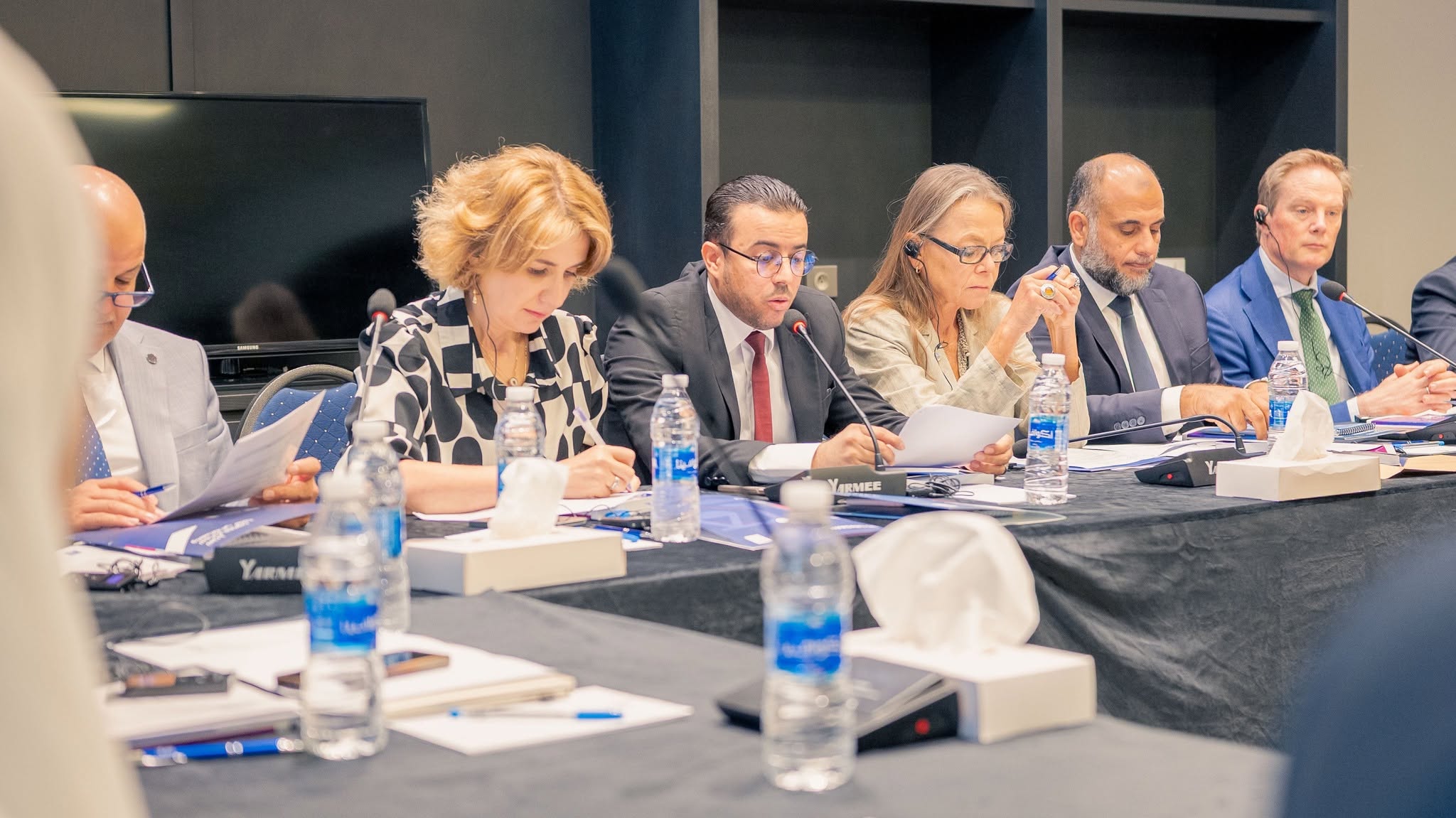
شارك المجلس الوطني للحريات وحقوق الإنسان في أعمال الحلقة النقاشية المستديرة التي عُقدت في العاصمة طرابلس بمناسبة اليوم الدولي لضحايا الاختفاء القسري، تحت عنوان: «معالجة قضية الأشخاص المفقودين من خلال المشاركة الفعالة للضحايا واستجابة أكثر ملاءمة من قطاعي العدالة والأمن»، بتنظيم مشترك بين بعثة الأمم المتحدة للدعم في ليبيا وبرنامج الأمم المتحدة الإنمائي، وبمشاركة عدد من المؤسسات الوطنية والدولية وأسر المفقودين والضحايا.
وشهدت الحلقة حضور رئيس لجنة المصالحة والعدل بمجلس النواب الأستاذ ميلود الأسود ومقرر اللجنة التشريعية بمجلس النواب د عبدالسلام نصيّة و نائبة الممثل الخاص للأمين العام للأمم المتحدة للشؤون السياسية، ستيفاني خوري، ونائب رئيس بعثة الأمم المتحدة للدعم في ليبيا للشؤون السياسية، والسفير الهولندي لدى ليبيا، ورئيسة مكتب برنامج الأمم المتحدة الإنمائي في ليبيا، و ممثلين عن المؤسسات والجهات الوطنية المعنية بملف المفقودين، من بينها الهيئة العامة للبحث والتعرف على المفقودين، إلى جانب ممثلي البعثة الأممية وبرنامج الأمم المتحدة الإنمائي وشركاء دوليين، فضلاً عن ممثلي أسر المفقودين والضحايا.
ومثّل المجلس في أعمال الحلقة الأستاذ عبدالمولى رمضان أبونتيشة، القائم بأعمال المجلس، رفقة مدير إدارة التعاون الدولي ، وفي كلمته الافتتاحية، أكد الأستاذ عبدالمولى أنتيشة أن قضية المفقودين والاختفاء القسري تمثل أولوية وطنية وحقوقية، لما تترتب عليها من حقوق أصيلة للضحايا وذويهم، وفي مقدمتها الحق في معرفة الحقيقة، والوصول إلى العدالة، وجبر الضرر، مشددًا على أهمية أن تكون مشاركة أسر المفقودين والضحايا في مسارات البحث والتحقيق والمساءلة والمصالحة مشاركة حقيقية وفاعلة.
كما شدد على أهمية تعزيز التنسيق بين المؤسسات الوطنية والشركاء الدوليين، وتطوير الأطر القانونية والآليات المؤسسية اللازمة لمعالجة ملف المفقودين وفق المعايير الدولية لحقوق الإنسان، بما يكفل حماية حقوق الأسر، وحفظ الأدلة، وكشف مصير المفقودين، ومساءلة المسؤولين عن الانتهاكات وضمان عدم الإفلات من العقاب.
وتناولت الحلقة عددًا من المحاور المرتبطة بملفات ترهونة ومرزق ودرنة وغيرها من المناطق، بما في ذلك جهود البحث والتعرف على الهوية، ومسارات التحقيق والمساءلة، وآليات التواصل مع الأسر، والتحديات التي تواجه الاستجابة الوطنية.
وأكد المشاركون أهمية الانتقال من المعالجات الجزئية إلى مقاربة وطنية شاملة لقضية المفقودين، تقوم على البحث عن الحقيقة، وتحقيق العدالة، وحماية حقوق الأسر، وتوفير الدعم النفسي والاجتماعي، وتعزيز مسارات المصالحة وجبر الضرر، مع ضمان عدم التمييز وحفظ كرامة الضحايا وذويهم.
مؤكد أن معالجة قضية المفقودين لا تقتصر على كشف مصير الأشخاص المفقودين، وإنما تمتد إلى ضمان حقوق أسرهم، وكشف الحقيقة، وتحقيق العدالة، ومساءلة المسؤولين، وجبر الضرر، وضمان عدم تكرار الانتهاكات، بما ينسجم مع التزامات دولة ليبيا في مجال حقوق الإنسان.
ويأتي حضور المجلس و مشاركته في هذه الحلقة في إطار اضطلاعه بمهامه في رصد وتوثيق انتهاكات حقوق الإنسان ومتابعة أوضاع المفقودين وأسرهم، وتعزيز التعاون مع المؤسسات الوطنية والدولية ذات الصلة، والدفاع عن حق الضحايا وذويهم في الحقيقة والعدالة والإنصاف.
National Council for Public Liberties and Human Rights Participates in a Discussion on Missing Persons on the International Day of the Victims of Enforced Disappearances
Tripoli – 10 September 2026
The National Council for Public Liberties and Human Rights participated in a roundtable discussion held in Tripoli on the occasion of the International Day of the Victims of Enforced Disappearances, under the theme: “Addressing the Issue of Missing Persons through Meaningful Victim Participation and Responsive Justice and Security Sectors.” The event was jointly organized by the United Nations Support Mission in Libya (UNSMIL) and the United Nations Development Programme (UNDP), with the participation of a number of national and international institutions, families of missing persons, and victims.
The discussion was attended by the Chair of the Reconciliation and Justice Committee of the House of Representatives, Mr. Miloud Al-Aswad; Rapporteur of the Legislative Committee of the House of Representatives, Dr. Abdulsalam Nasiya; Deputy Special Representative of the Secretary-General for Political Affairs, Ms. Stephanie Khoury; the Deputy Head of the United Nations Support Mission in Libya for Political Affairs; the Ambassador of the Netherlands to Libya; the Resident Representative of the United Nations Development Programme in Libya; and representatives of national institutions and authorities concerned with the missing persons file, including the General Authority for the Search and Identification of Missing Persons, as well as representatives of UNSMIL, UNDP, international partners, and families of missing persons and victims.
The Council was represented at the discussion by Mr. Abdelmoula Ramadan Abuntisha, Acting Head of the Council, accompanied by the Director of the Department of International Cooperation.
In his opening remarks, Mr. Abuntisha stressed that the issue of missing persons and enforced disappearance constitutes a national and human rights priority, given the fundamental rights of victims and their families at stake, foremost among them the right to know the truth, access to justice, and obtain reparation. He underscored the importance of ensuring that families of missing persons and victims have meaningful and effective participation in search, investigation, accountability, and reconciliation processes.
He also emphasized the importance of strengthening coordination among national institutions and international partners, and of developing the necessary legal frameworks and institutional mechanisms to address the issue of missing persons in accordance with international human rights standards. Such mechanisms should ensure the protection of families’ rights, preservation of evidence, clarification of the fate of missing persons, accountability for those responsible for violations, and the prevention of impunity.
The discussion addressed a number of issues related to the cases of Tarhuna, Murzuq, Derna, and other areas, including search and identification efforts, investigation and accountability processes, mechanisms for communication with families, and the challenges facing the national response.
Participants emphasized the importance of moving beyond fragmented approaches towards a comprehensive national approach to the issue of missing persons, based on the pursuit of truth, the achievement of justice, the protection of families’ rights, the provision of psychological and social support, and the strengthening of reconciliation and reparation processes, while ensuring non-discrimination and preserving the dignity of victims and their families.
The participants further affirmed that addressing the issue of missing persons is not limited to determining the fate of those who are missing. It also encompasses guaranteeing the rights of their families, establishing the truth, delivering justice, holding those responsible accountable, providing reparation, and ensuring guarantees of non-recurrence, in line with the State of Libya’s human
rights obligations.
