
الخميس : 29 أكتوبر 2026م
The National Council for Public Liberties and Human Rights Discusses with ICMPD Strengthening Migration Governance through a Human Rights-Based Approach that Takes Libya’s International Obligations and National Security into Account
Thursday, 29 October 2026
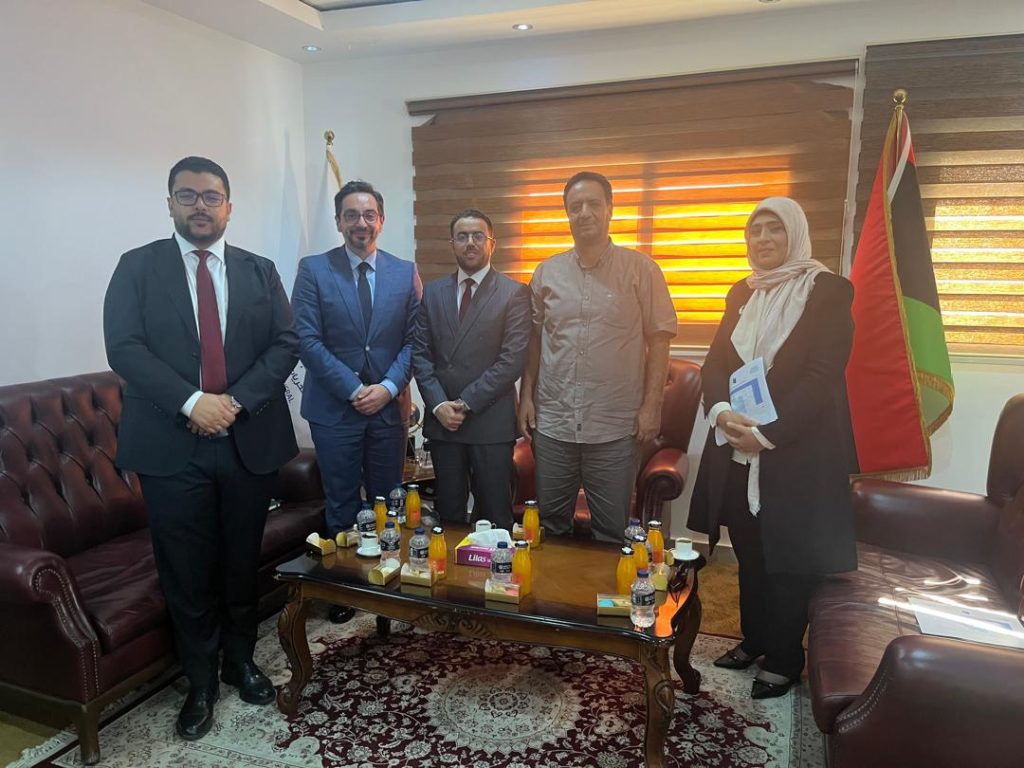
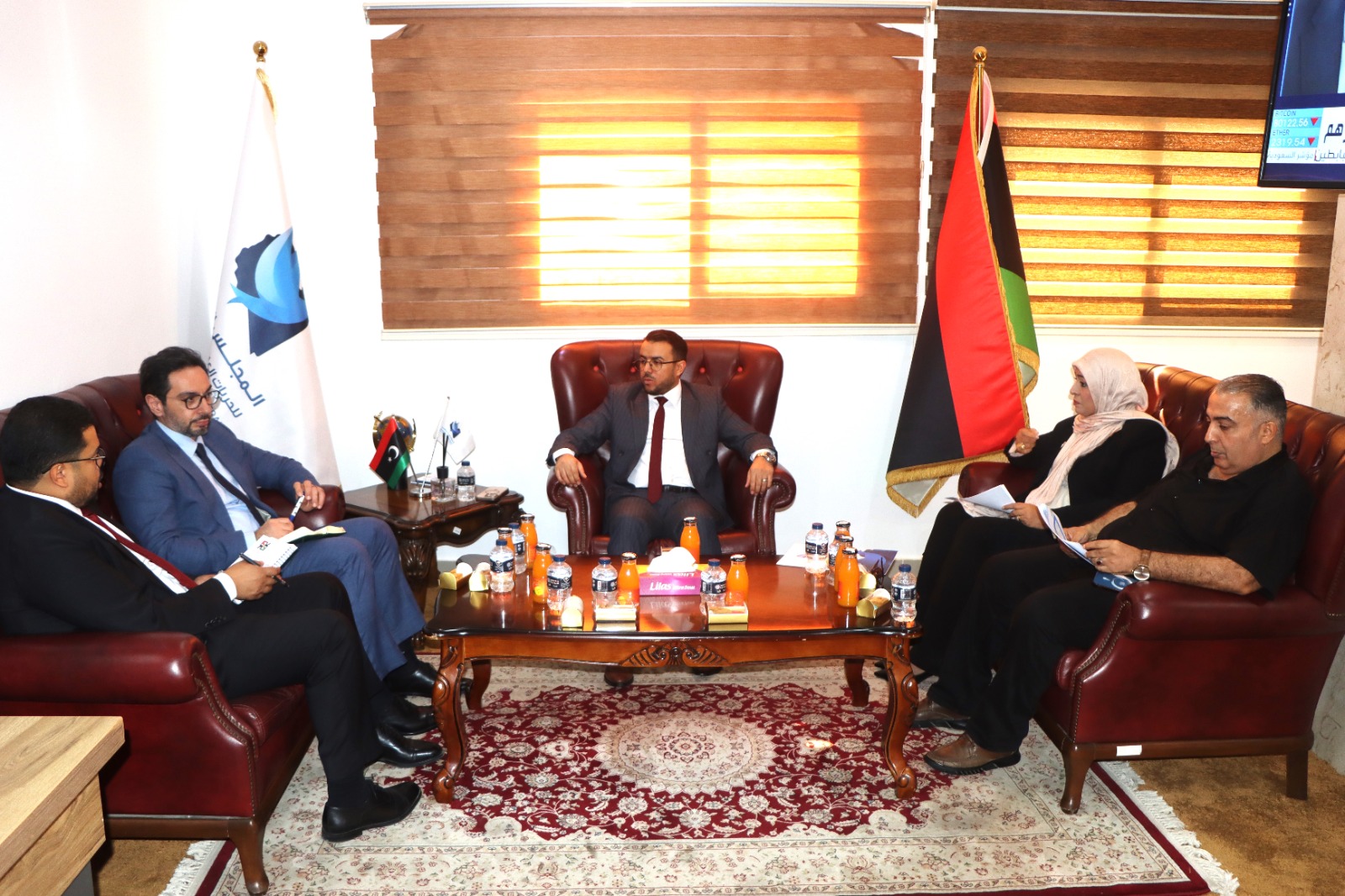
بحث المجلس الوطني للحريات وحقوق الإنسان، اليوم الخميس، بمقر ديوان المجلس في العاصمة طرابلس، مع المركز الدولي لتطوير سياسات الهجرة بالاتحاد الأوروبي (ICMPD) في ليبيا، سبل تعزيز التعاون في تطوير السياسات والتشريعات الوطنية المتعلقة بالهجرة، ودعم قدرات المؤسسات المعنية بإدارة هذا الملف، بما يحقق التوازن بين احترام حقوق الإنسان والوفاء بالتزامات ليبيا الدولية ومتطلبات حماية أمنها القومي وصون سيادتها الوطنية.
ومثّل المجلس في الاجتماع الأستاذ عبد المولى رمضان أبونتيشة، المكلّف بتسيير أعمال المجلس، والأستاذ سالم الطيب، مدير إدارة التعاون الدولي، إلى جانب عدد من أعضاء اللجنة الوطنية المعنية بتطوير التشريعات المتعلقة بالهجرة غير النظامية وإعداد مشروع قانون لمكافحة جريمة الاتجار بالبشر، من بينهم الأستاذ عبد الباسط مرغم، ممثل إدارة القانون بالمجلس الأعلى للقضاء، والأستاذة آمال العمامي، ممثلة هيئة النيابة العامة. فيما مثّل المركز السيد سيرغو ماناناشفيلي، مدير المشاريع، والسيد زكريا الزليطني، المكلّف بالمشروع في ليبيا.
واستعرض الاجتماع جهود المجلس في تطوير الإطار التشريعي المتعلق بالهجرة ومكافحة الاتجار بالبشر، إلى جانب نتائج الزيارات الميدانية التي تنفذها فرقه المختصة إلى مراكز إيواء المهاجرين، والتحديات والاحتياجات التي ترصدها، والتصورات المقترحة لتحسين أوضاع هذه المراكز، وتطوير آليات العمل فيها، وتعزيز قدرات العاملين بما يكفل احترام الكرامة الإنسانية والحقوق الأساسية للمهاجرين.
وأكدت المناقشات أهمية اعتماد مقاربة وطنية متكاملة لإدارة ملف الهجرة، تجمع بين الأبعاد الأمنية والقانونية والحقوقية والإنسانية، وتعزز قدرة الدولة على إدارة حدودها ومكافحة الاتجار بالبشر وتهريب المهاجرين وشبكات الاستغلال والجريمة المنظمة، بالتوازي مع احترام الالتزامات الدولية ذات الصلة، وترسيخ سيادة القانون، بما يدعم بناء منظومة فعّالة ومستدامة لإدارة الهجرة.
وفي إطار ترجمة هذه الأولويات إلى برامج عملية، سلّم المجلس إلى ممثلي المركز مصفوفة تتضمن حزمة من الأنشطة المقترحة لتعزيز قدرات المجلس والجهات الوطنية المعنية، شملت تقديم الدعم الفني والقانوني للجنة الوطنية المختصة بتطوير التشريعات، وتنظيم برامج تدريبية وورش عمل متخصصة، وتبادل الخبرات بشأن السياسات والتجارب المقارنة في مجال الهجرة ومكافحة الاتجار بالبشر.
كما تضمنت المصفوفة مقترح إعداد دليل إجرائي لرصد أوضاع النساء والأطفال وكبار السن داخل مراكز الإيواء، لتوحيد منهجيات الرصد والتوثيق، وتحديد الاحتياجات والمخاطر والانتهاكات المحتملة، وتطوير آليات الإحالة والحماية، إلى جانب تنفيذ برامج لبناء قدرات العاملين بمراكز الإيواء والجهات الوطنية ذات الصلة، وتحسين الممارسات المهنية، وتعزيز التنسيق المؤسسي وتبادل المعلومات والخبرات.
من جانبهم، استعرض ممثلو المركز أبرز المشاريع والبرامج التي ينفذها بالتعاون مع الجهات الوطنية المعنية بإدارة ملف الهجرة في ليبيا، وأوجه الدعم الفني وبناء القدرات الممكنة، مشيدين بدور المجلس ورؤيته الرامية إلى تعزيز إدارة الهجرة وفق مقاربة حقوقية تراعي خصوصية السياق الوطني وتدعم التكامل بين حماية الحقوق والحريات الأساسية ومتطلبات الأمن والاستقرار.
وفي ختام الاجتماع، اتفق الجانبان على عقد اجتماع متابعة خلال الفترة المقبلة لتحديد أولويات الأنشطة المقترحة، وآليات تنفيذها، ووضع جدول زمني واضح، بما يضمن توجيه الدعم نحو الاحتياجات الفعلية للمؤسسات الوطنية ومتابعة النتائج المتحققة.
ويأتي هذا الاجتماع في إطار جهود المجلس الرامية إلى تعزيز الشراكات الدولية وتطوير السياسات والتشريعات الوطنية المتعلقة بالهجرة، وترسيخ إدارة مؤسسية مسؤولة ومستدامة لهذا الملف، تقوم على احترام حقوق الإنسان وسيادة القانون، وتوازن بين التزامات ليبيا الدولية ومتطلبات حماية أمنها القومي وصون سيادتها الوطنية.
The National Council for Public Liberties and Human Rights Discusses with ICMPD Strengthening Migration Governance through a Human Rights-Based Approach that Takes Libya’s International Obligations and National Security into Account
Thursday, 29 October 2026
The National Council for Public Liberties and Human Rights held a meeting today, Thursday, at its headquarters in Tripoli with the International Centre for Migration Policy Development (ICMPD) in Libya to discuss ways to strengthen cooperation in developing national migration policies and legislation and enhancing the institutional capacities of the bodies responsible for managing this file. The discussions focused on promoting a balanced approach that respects human rights, fulfils Libya’s international obligations, and addresses the requirements of protecting national security and safeguarding national sovereignty.
The Council was represented at the meeting by Mr Abdulmoula Ramadan Abontisha, Acting Head of the Council, and Mr Salem Al-Tayeb, Director of the International Cooperation Department, alongside several members of the National Committee tasked with developing legislation on irregular migration and drafting a bill to combat the crime of human trafficking. These included Mr Abdulbasit Margham, representative of the Legal Department at the Supreme Judicial Council, and Ms Amal Al-Omami, representative of the Public Prosecution. ICMPD was represented by Mr Sergo Mananashvili, Project Director, and Mr Zakaria Al-Zalitni, Project Officer in Libya.
The meeting reviewed the Council’s efforts to develop the legislative framework governing migration and combating human trafficking, as well as the findings of field visits conducted by its specialised teams to migrant accommodation centres. Discussions also addressed the challenges and needs identified during these visits, proposed measures to improve conditions in these centres, enhance operational procedures, and strengthen staff capacities in a manner that safeguards migrants’ human dignity and fundamental rights.
Participants emphasised the importance of adopting a comprehensive national approach to migration governance that integrates security, legal, human rights and humanitarian dimensions. Such an approach would strengthen the State’s capacity to manage its borders and combat human trafficking, migrant smuggling, exploitation networks and organised crime, while respecting relevant international obligations and upholding the rule of law, thereby contributing to an effective and sustainable migration management system.
To translate these priorities into practical programmes, the Council presented ICMPD representatives with a matrix of proposed activities aimed at strengthening the capacities of the Council and relevant national institutions. The proposed activities include providing technical and legal support to the National Committee responsible for legislative development, organising specialised training programmes and workshops, and facilitating the exchange of expertise on comparative policies and practices in migration governance and combating human trafficking.
The matrix also includes a proposal to develop a procedural guide for monitoring the situation of women, children and older persons in migrant accommodation centres. The guide would aim to harmonise monitoring and documentation methodologies, identify needs, risks and potential violations, and improve referral and protection mechanisms. Additional proposed activities include capacity-building programmes for staff working in accommodation centres and relevant national institutions, the promotion of professional practices, and stronger institutional coordination and the exchange of information and expertise.
ICMPD representatives presented an overview of the main projects and programmes implemented by the Centre in cooperation with national authorities responsible for migration management in Libya, as well as potential areas of technical assistance and capacity-building support. They commended the Council’s role and its vision for strengthening migration governance through a human rights-based approach that takes the specificities of the national context into account and promotes complementarity between the protection of fundamental rights and freedoms and the requirements of security and stability.
At the conclusion of the meeting, both parties agreed to hold a follow-up meeting in the coming period to identify priority activities, determine implementation arrangements, and establish a clear timetable. This process is intended to ensure that support is directed towards the actual needs of national institutions and that progress and results are systematically monitored.
The meeting forms part of the Council’s broader efforts to strengthen international partnerships, develop national migration policies and legislation, and promote responsible and sustainable institutional approaches to migration governance. These efforts are grounded in respect for human rights and the rule of law, while seeking to maintain a balance between Libya’s international obligations and the requirements of protecting its national security and safeguarding its sovereignty.