
بنغازي : 28 يوليو 2026
Under the Organization of the National Committee for Monitoring the Conditions of Prisoners and with the Support of the National Council for Civil Liberties and Human Rights, the First International Conference on Justice and Reform Opens in Benghazi
Benghazi – 28 July 2026
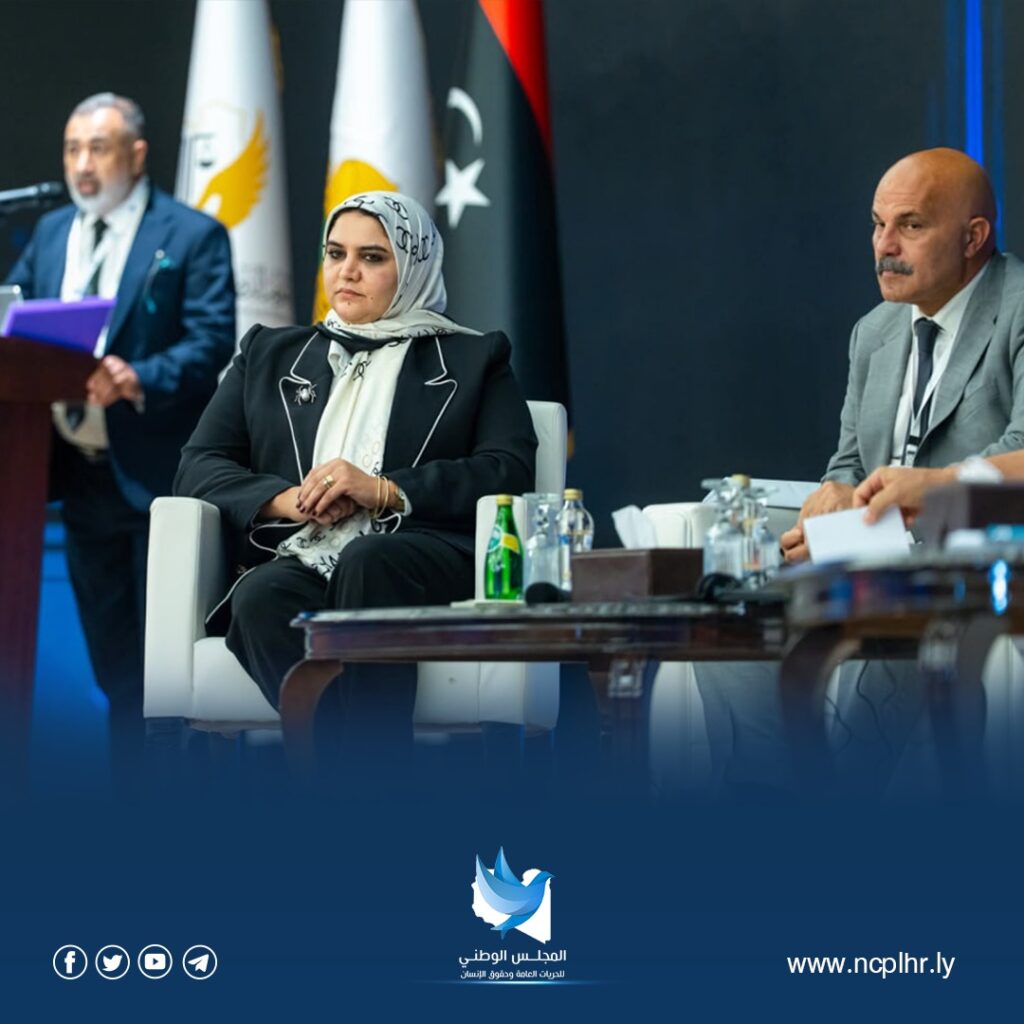
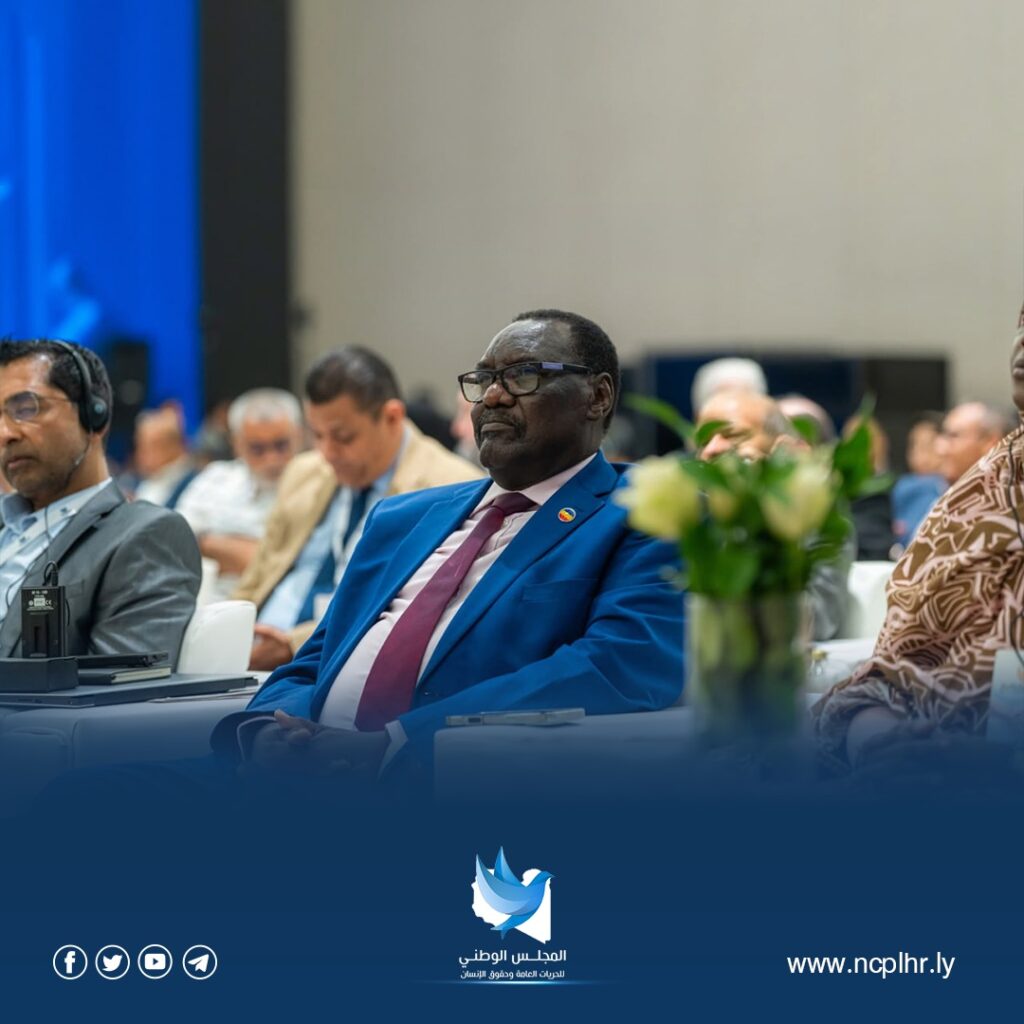
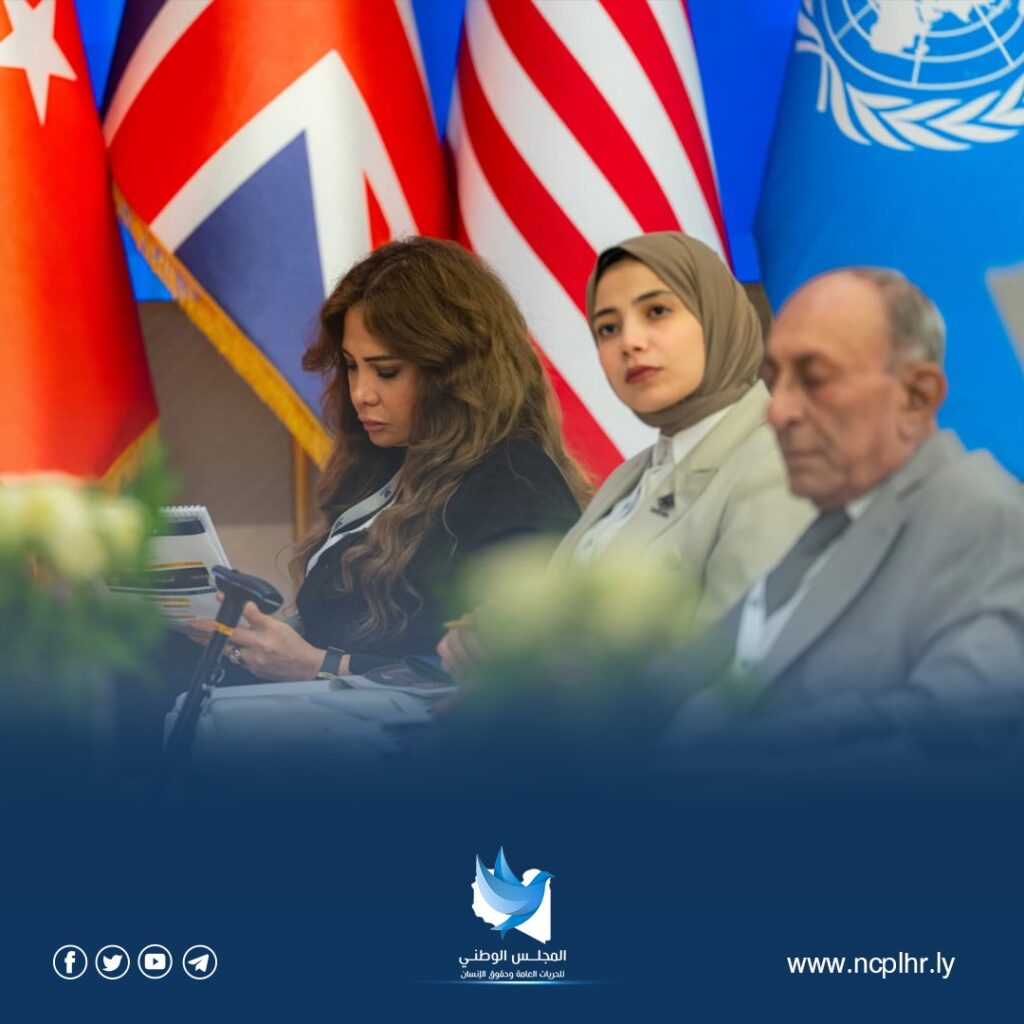
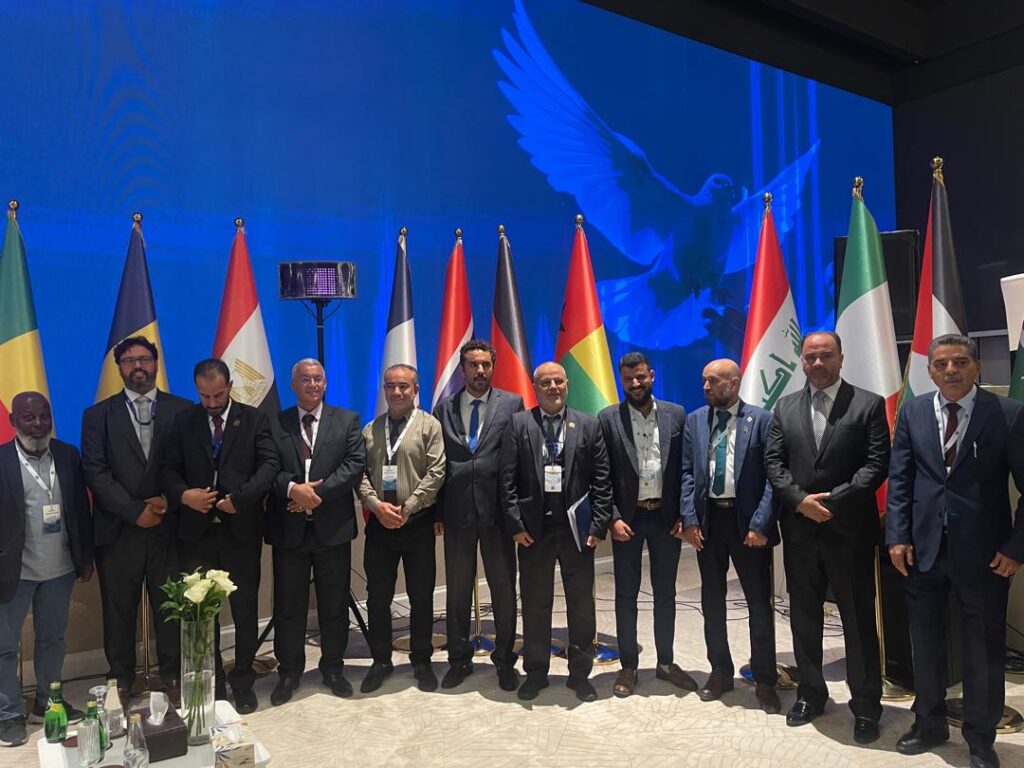
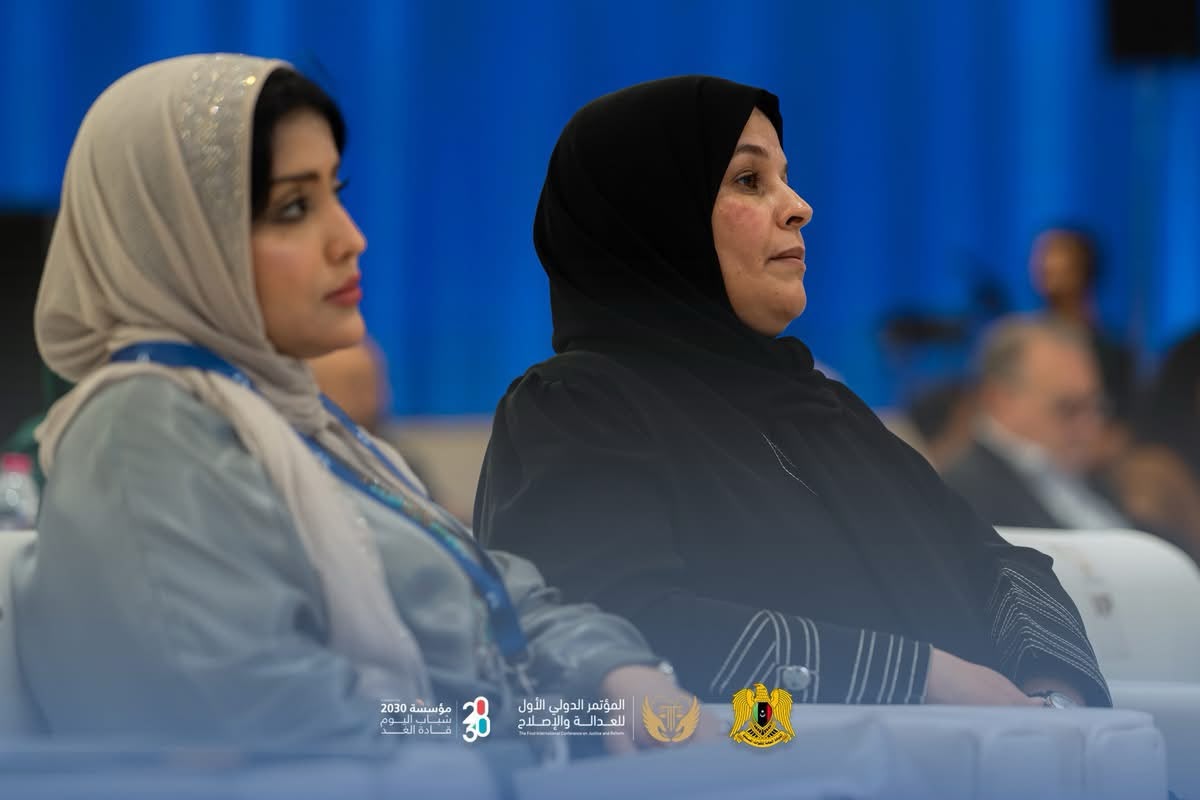
انطلقت بمدينة بنغازي، اليوم الثلاثاء، أعمال المؤتمر الدولي الأول للعدالة والإصلاح، الذي تنظمه اللجنة الوطنية لمتابعة أوضاع السجناء، بدعم من المجلس الوطني للحريات وحقوق الإنسان، وبمشاركة رسمية ودولية واسعة، وبحضور نخبة من الخبراء والأكاديميين والقانونيين وممثلي المؤسسات الحقوقية، إلى جانب مشاركين وممثلين عن نحو 30 دولة.
ويهدف المؤتمر إلى بحث سبل تطوير منظومة العدالة والإصلاح، وتعزيز سيادة القانون، وترسيخ ضمانات حماية حقوق الإنسان داخل مؤسسات الإصلاح والتأهيل، إلى جانب تبادل الخبرات والتجارب والممارسات الفضلى ذات الصلة بالعدالة الجنائية والإصلاح والتأهيل.
وشارك المجلس الوطني للحريات وحقوق الإنسان في أعمال المؤتمر، ومثّل المجلس في فعالياته نائب رئيس المجلس، رفقة عدد من مديري الإدارات والحقوقيين والباحثين بالمجلس، وذلك في إطار اهتمام المجلس بتعزيز حضوره ومساهمته في الفعاليات الوطنية والدولية المعنية بتطوير منظومة العدالة، وحماية الحقوق والحريات، وتعزيز سيادة القانون.
وخلال الجلسة الافتتاحية، ألقت نائب رئيس المجلس كلمة أكدت فيها أن حماية حقوق الأشخاص المحرومين من حريتهم تمثل جزءًا أصيلًا من منظومة حقوق الإنسان وسيادة القانون، مشددةً على أهمية أن تخضع أماكن الاحتجاز ومؤسسات الإصلاح والتأهيل للرقابة والمتابعة المستقلة والمهنية، بما يضمن احترام الكرامة الإنسانية والحقوق الأساسية للنزلاء، ويسهم في الوقاية من الانتهاكات وتحسين ظروف الاحتجاز.
وأوضحت أن المجلس يولي متابعة أوضاع أماكن الاحتجاز ومؤسسات الإصلاح والتأهيل أهمية خاصة، من خلال تنفيذ الزيارات الميدانية، والاطلاع المباشر على أوضاع النزلاء، والاستماع إلى شكاواهم وملاحظاتهم، والتواصل مع إدارات المؤسسات والجهات المختصة، إلى جانب رصد الملاحظات وإعداد التقارير ورفع التوصيات الهادفة إلى معالجة أوجه القصور، وتحسين الأداء المؤسسي، وتعزيز ضمانات حماية حقوق الإنسان.
وأكدت أن هذه الجهود تستند إلى المعايير والمبادئ الدولية ذات الصلة، وفي مقدمتها قواعد الأمم المتحدة النموذجية الدنيا لمعاملة السجناء (قواعد نيلسون مانديلا)، وما تتضمنه من مبادئ أساسية بشأن احترام الكرامة الإنسانية، وحظر التعذيب وغيره من ضروب المعاملة أو العقوبة القاسية أو اللاإنسانية أو المهينة، وضمان الرعاية الصحية المناسبة، وتوفير بيئة ملائمة للإصلاح والتأهيل وإعادة الإدماج في المجتمع.
كما أشادت بالجهود الوطنية المبذولة خلال الفترة الماضية لتحسين أوضاع مؤسسات الإصلاح والتأهيل، بما في ذلك تطوير البنية التحتية، وتحسين الخدمات الصحية والمعيشية، وتطوير برامج الإصلاح والتأهيل، وتعزيز الإدارة والحوكمة، معتبرةً أن هذه الجهود تمثل خطوات إيجابية في مسار تطوير منظومة الإصلاح والتأهيل.
وشددت في الوقت ذاته على أن تحسين أوضاع مؤسسات الإصلاح والتأهيل وضمان حقوق النزلاء يمثلان مسارًا مستمرًا يتطلب المتابعة المنتظمة والتقييم الموضوعي والتطوير المتواصل، بما يضمن توافق الممارسات الوطنية مع الالتزامات والمعايير ذات الصلة بحقوق الإنسان، ويعزز من فعالية منظومة العدالة الجنائية.
ويناقش المؤتمر، على مدى جلساته، عددًا من المحاور والقضايا المرتبطة بمنظومة العدالة والإصلاح، من بينها حماية حقوق النزلاء، وبدائل العقوبات والتدابير غير الاحتجازية، وضمانات المحاكمة العادلة، والإصلاح وإعادة التأهيل والإدماج المجتمعي، والدعم النفسي والاجتماعي، وتحسين إدارة مؤسسات الإصلاح والتأهيل، فضلًا عن تعزيز التعاون الدولي وتبادل الخبرات والتجارب والممارسات الفضلى في هذا المجال.
ومن المنتظر أن يخلص المؤتمر إلى مجموعة من التوصيات والمقترحات العملية التي من شأنها الإسهام في تطوير السياسات والممارسات المتعلقة بالعدالة والإصلاح، وتعزيز سيادة القانون، والارتقاء بأوضاع مؤسسات الإصلاح والتأهيل، وصون حقوق الإنسان والكرامة الإنسانية للأشخاص المحرومين من حريتهم في ليبيا.
Under the Organization of the National Committee for Monitoring the Conditions of Prisoners and with the Support of the National Council for Civil Liberties and Human Rights, the First International Conference on Justice and Reform Opens in Benghazi
Benghazi – 28 July 2026
The First International Conference on Justice and Reform opened yesterday, Tuesday, in the city of Benghazi. The conference is organized by the National Committee for Monitoring the Conditions of Prisoners, with the support of the National Council for Civil Liberties and Human Rights, and is witnessing broad official and international participation, with the attendance of a distinguished group of experts, academics, legal professionals, and representatives of human rights institutions, alongside participants and representatives from approximately 30 countries.
The conference aims to explore ways to develop the justice and reform system, strengthen the rule of law, and reinforce safeguards for the protection of human rights within correctional and rehabilitation institutions. It also provides an opportunity to exchange expertise, experiences, and best practices relating to criminal justice, correction, rehabilitation, and reintegration.
The National Council for Civil Liberties and Human Rights participated in the conference, with the Council represented by its Vice-President, accompanied by a number of directors of departments, human rights professionals, and researchers from the Council. This participation reflects the Council’s commitment to strengthening its presence and contribution to national and international events concerned with developing the justice system, protecting rights and freedoms, and promoting the rule of law.
During the opening session, the Vice-President of the Council delivered a speech emphasizing that the protection of the rights of persons deprived of their liberty constitutes an integral part of the human rights and rule-of-law framework. She stressed the importance of ensuring that places of detention and correctional and rehabilitation institutions are subject to independent and professional monitoring and oversight, in a manner that guarantees respect for the human dignity and fundamental rights of inmates, contributes to the prevention of violations, and improves conditions of detention.
She explained that the Council attaches particular importance to monitoring the conditions of places of detention and correctional and rehabilitation institutions through conducting field visits, directly assessing the conditions of inmates, listening to their complaints and observations, and communicating with the administrations of these institutions and the relevant authorities. This is in addition to documenting observations, preparing reports, and submitting recommendations aimed at addressing shortcomings, improving institutional performance, and strengthening safeguards for the protection of human rights.
She further affirmed that these efforts are guided by relevant international standards and principles, foremost among them the United Nations Standard Minimum Rules for the Treatment of Prisoners (the Nelson Mandela Rules), which establish fundamental principles concerning respect for human dignity; the prohibition of torture and other cruel, inhuman, or degrading treatment or punishment; the provision of appropriate health care; and the creation of an environment conducive to rehabilitation, correction, and reintegration into society.
She also commended the national efforts undertaken in recent years to improve conditions within correctional and rehabilitation institutions, including the development of infrastructure, improvement of health and living services, enhancement of correctional and rehabilitation programmes, and strengthening of institutional management and governance. She considered these efforts positive steps towards developing the correctional and rehabilitation system.
At the same time, she stressed that improving conditions within correctional and rehabilitation institutions and ensuring the rights of inmates constitute an ongoing process that requires regular monitoring, objective assessment, and continuous development. This is essential to ensure that national practices are consistent with relevant human rights obligations and standards and to enhance the effectiveness of the criminal justice system.
Throughout its sessions, the conference addresses a number of issues and themes related to justice and reform, including the protection of inmates’ rights, alternatives to imprisonment and non-custodial measures, fair trial guarantees, correction, rehabilitation and social reintegration, psychological and social support, improving the management of correctional and rehabilitation institutions, as well as strengthening international cooperation and exchanging expertise, experiences, and best practices in this field.
The conference is expected to conclude with a set of practical recommendations and proposals that will contribute to the development of policies and practices relating to justice and reform, strengthen the rule of law, improve conditions within correctional and rehabilitation institutions, and safeguard the human rights and dignity of persons deprived of their liberty in Libya.