
الأربعاء : 21 أكتوبر 2026
The National Council for Public Liberties and Human Rights Reviews the Conditions of Three Social Care Institutions in Tripoli, Calls for Stronger Protection and Accountability
Wednesday, 21 October 2026
استعرض المجلس الوطني للحريات وحقوق الإنسان، اليوم الأربعاء، تقريره المجمع بشأن أوضاع ثلاث من مؤسسات الرعاية الاجتماعية بمدينة طرابلس، وهي دار رعاية البنين بغوط الشعال، ودار رعاية البنات برأس حسن، ودار رعاية الطفل بأبو هريدة، وذلك استنادًا إلى نتائج الزيارات الميدانية التي نفذتها الفرق الحقوقية التابعة للمجلس خلال الفترة من يناير إلى أغسطس 2026م، في إطار ولايته القانونية لمراقبة أوضاع حقوق الإنسان وتقييم مدى احترام الحقوق الأساسية وصون الكرامة الإنسانية للنزلاء.
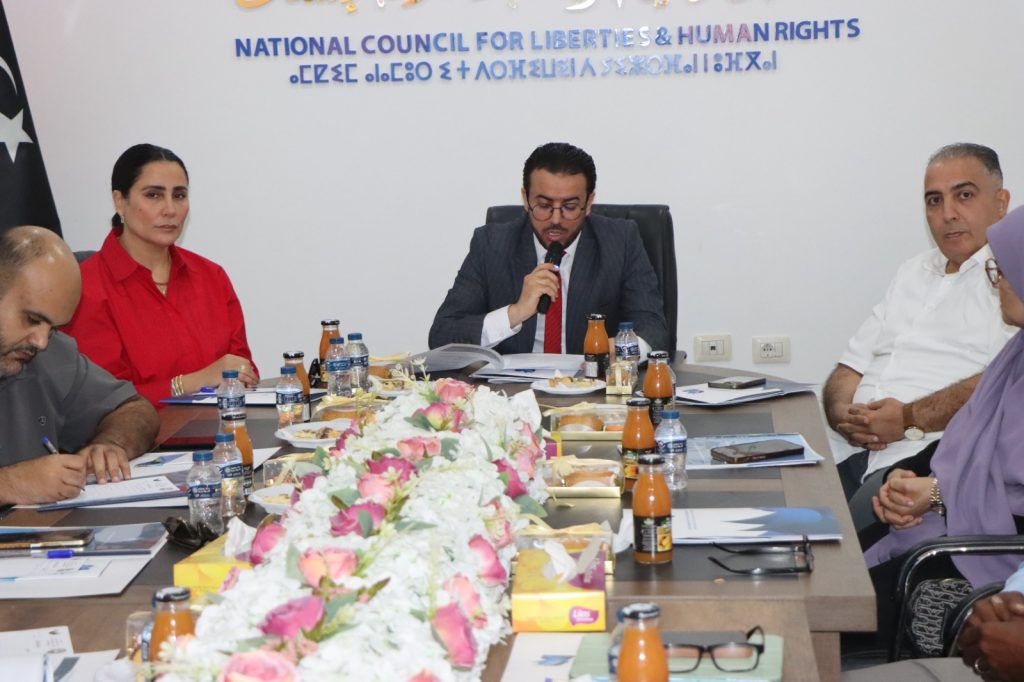
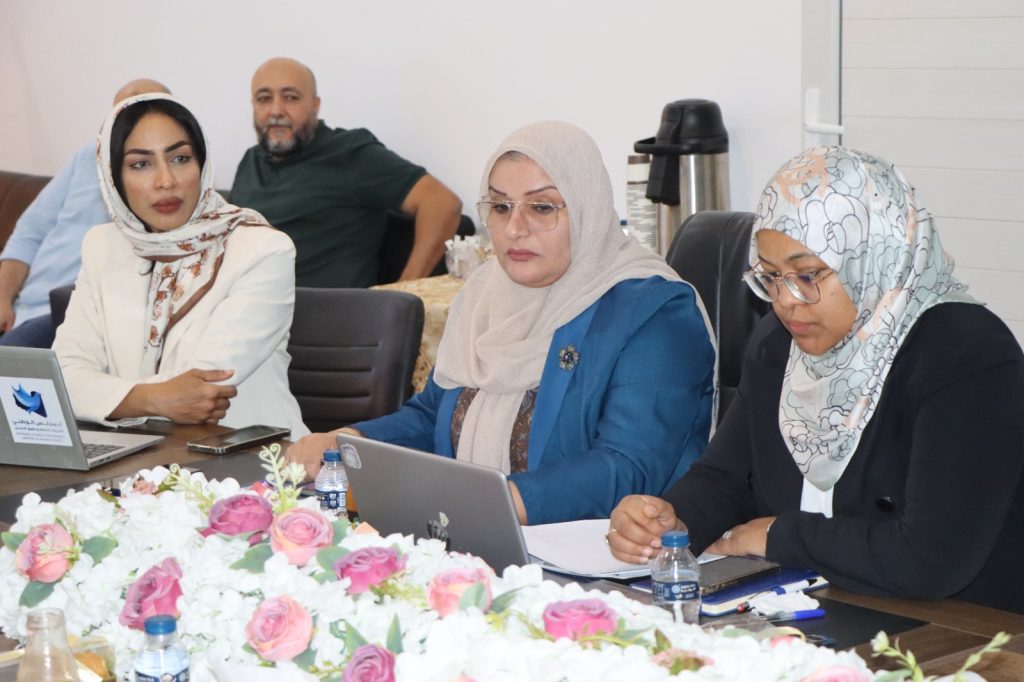
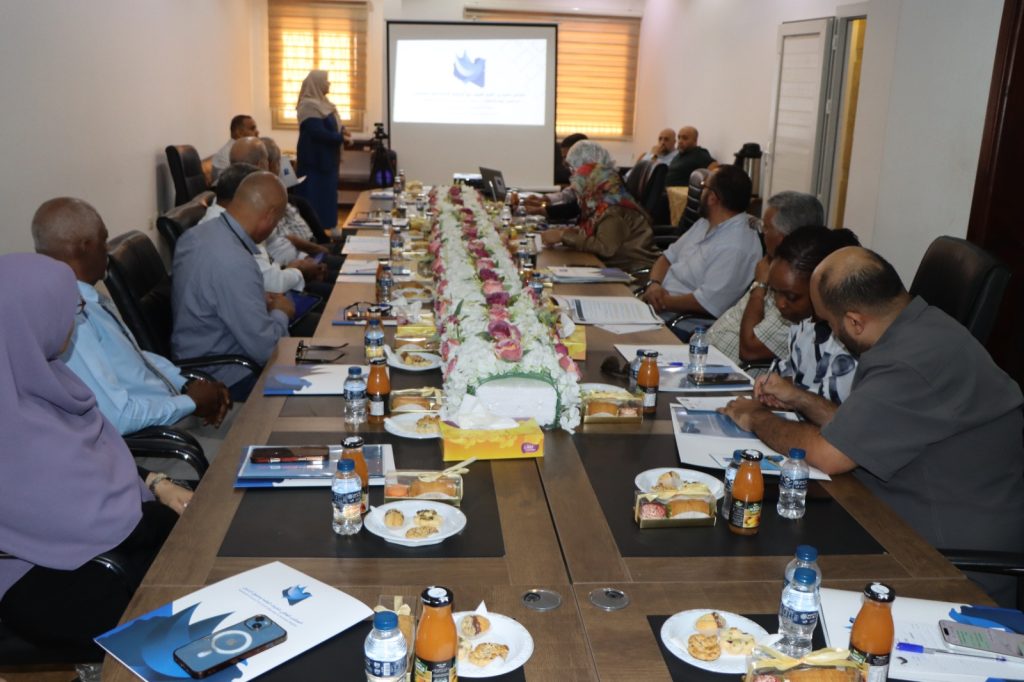
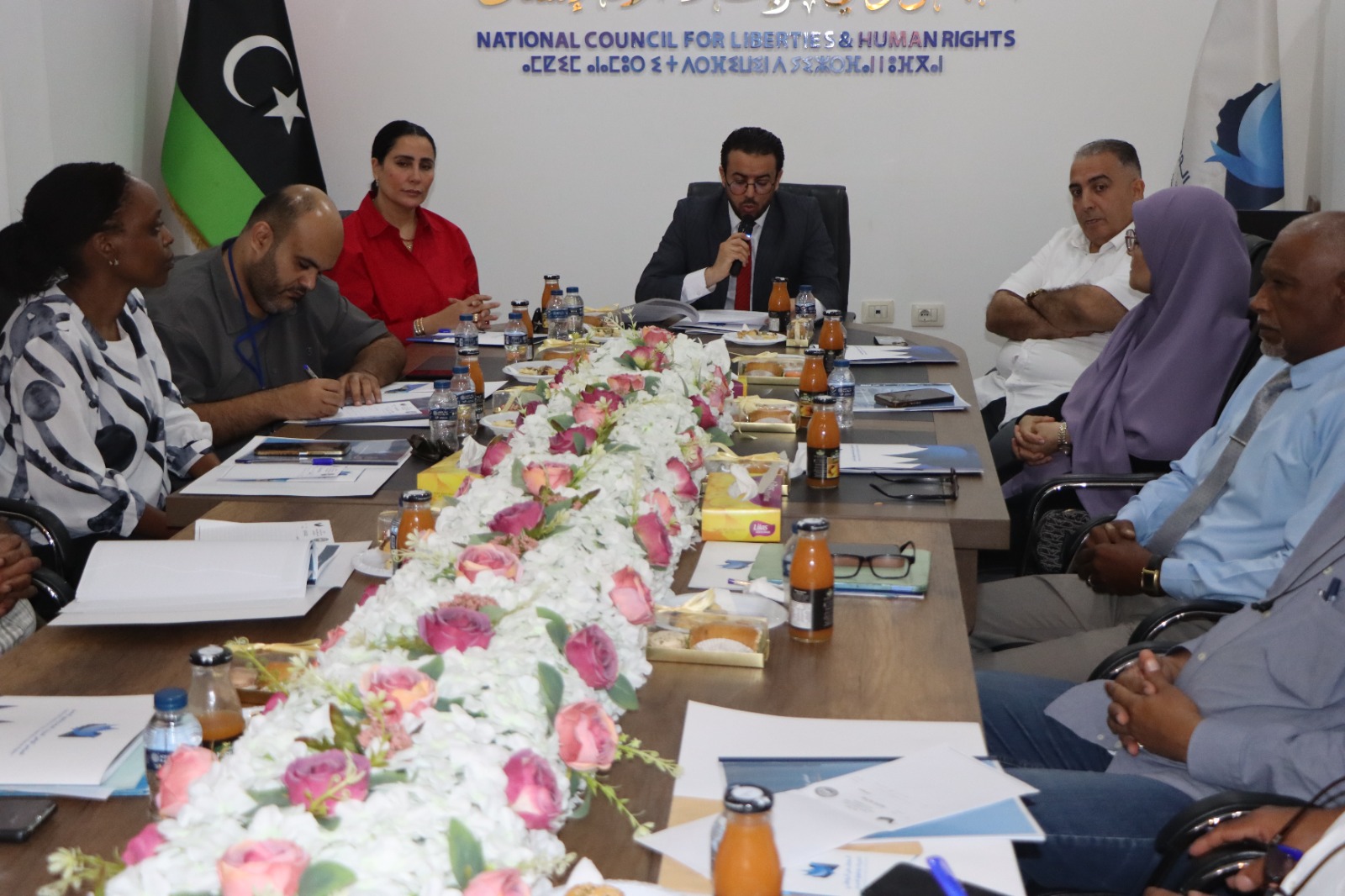
وجاء استعراض التقرير خلال جلسة حوارية بمشاركة ممثلين عن المؤسسات الوطنية والجهات الحكومية المعنية، والمنظمة الدولية للهجرة ، ومنظمات المجتمع المدني، بهدف مناقشة نتائج الرصد الميداني، وتقييم التحديات التي تواجه مؤسسات الرعاية، وبحث التدابير اللازمة لتحسين جودة الخدمات وتعزيز منظومة الحماية.
وفي كلمته الافتتاحية، أكد المكلف بتسيير مهام المجلس، عبد المولى أبونتيشة، أن إعداد التقرير يأتي تنفيذًا للاختصاصات القانونية للمجلس بموجب القانون رقم (5) لسنة 2011 بشأن إنشائه، والتي تشمل الرصد والتحقق والتقييم ورفع التوصيات إلى الجهات المختصة. وشدد على أن الرقابة الحقوقية المستقلة تمثل رافدًا داعمًا لعمل المؤسسات التنفيذية والقضائية، وتسهم في تشخيص أوجه القصور وتعزيز سيادة القانون.
وأوضح أبونتيشة أن حماية الأطفال وفاقدي السند الاجتماعي لا تقتصر على توفير المأوى والاحتياجات الأساسية، بل تستلزم ضمان السلامة والدعم النفسي والاجتماعي والتعليم والتأهيل، وتوفير بيئة تحفظ الكرامة وتصون الحقوق وتدعم الاندماج في المجتمع، مؤكدًا ضرورة تبني حلول مستدامة لمعالجة أوجه القصور وضمان متابعة تنفيذ التوصيات.
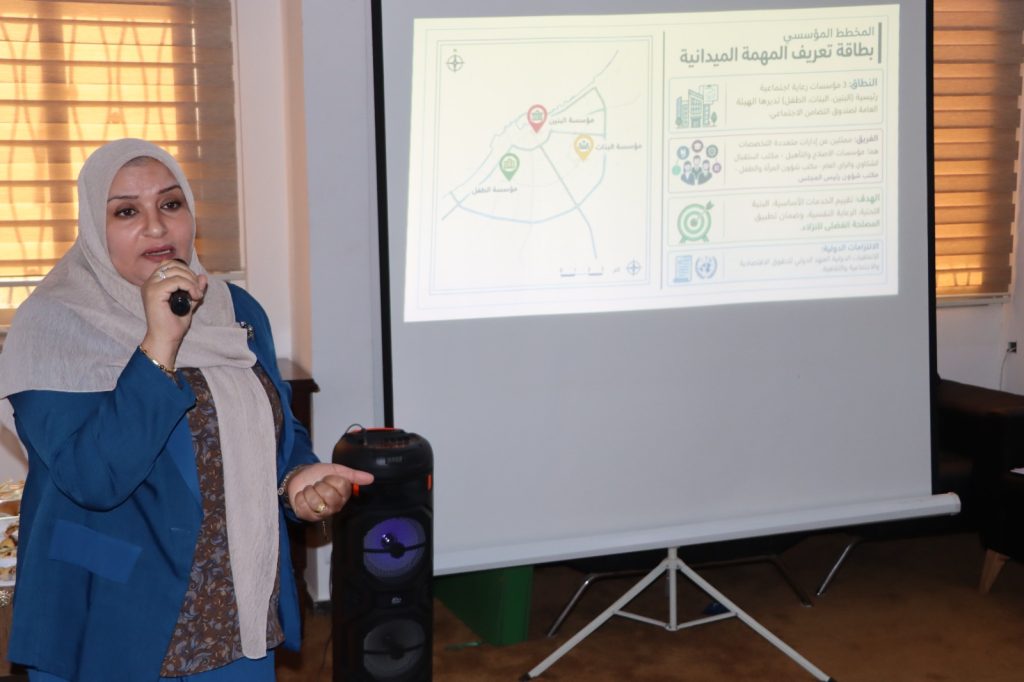
من جانبها، قدمت مديرة إدارة متابعة أوضاع المرأة والطفل بالمجلس، ابتسام الساحلي، عرضًا مرئيًا تناول أبرز نتائج الزيارات الميدانية والملاحظات المتعلقة بأوضاع المؤسسات والخدمات المقدمة للنزلاء.
وشهدت الجلسة نقاشًا مؤسسيًا حول نتائج التقرير والتحديات القائمة، أفضى إلى جملة من الملاحظات والتوصيات الرامية إلى تحسين ظروف الرعاية، وتعزيز التنسيق بين الجهات المختصة والشركاء الدوليين ومنظمات المجتمع المدني، وتفعيل المسؤوليات المؤسسية وآليات المتابعة والمساءلة، بما يضمن توفير بيئة آمنة تحفظ حقوق النزلاء وكرامتهم.
وأكد المجلس مواصلة متابعة أوضاع مؤسسات الرعاية الاجتماعية، ورصد مدى استجابة الجهات المختصة للتوصيات، والتنسيق معها بشأن التدابير التصحيحية اللازمة، مشددًا على أن الأثر الحقيقي للتقرير يُقاس بمدى ترجمة نتائجه إلى إجراءات عملية وتحسينات ملموسة في مستوى الرعاية والحماية، ولا سيما للأطفال والفئات التي تستوجب أوضاعها الاجتماعية والإنسانية حماية خاصة.
The National Council for Public Liberties and Human Rights Reviews the Conditions of Three Social Care Institutions in Tripoli, Calls for Stronger Protection and Accountability
Wednesday, 21 October 2026
The National Council for Public Liberties and Human Rights today reviewed its consolidated report on the conditions of three social care institutions in Tripoli: the Boys’ Care Home in Ghot Al-Shaal, the Girls’ Care Home in Ras Hassan, and the Child Care Home in Abu Hreida. The report is based on the findings of field visits conducted by the Council’s human rights teams between January and August 2026, as part of its statutory mandate to monitor the human rights situation, assess respect for fundamental rights, and safeguard the human dignity of residents.
The report was presented during a dialogue session attended by representatives of national institutions, relevant government authorities, the International Organization for Migration (IOM), and civil society organizations. The session aimed to discuss the findings of field monitoring, assess the challenges facing social care institutions, and explore the measures needed to improve service quality and strengthen protection mechanisms.
In his opening remarks, Abdulmoula Abunteeisha, Acting Head of the Council, stated that the preparation of the report falls within the Council’s statutory mandate under Law No. (5) of 2011 establishing the Council. This mandate includes monitoring, verification, assessment, and submitting recommendations to the competent authorities. He stressed that independent human rights oversight complements the work of the executive and judicial authorities by identifying shortcomings and promoting the rule of law.
Abunteeisha emphasized that protecting children and persons without family support goes beyond providing shelter and basic necessities. It requires ensuring safety, psychological and social support, education, rehabilitation, and an environment that upholds dignity, protects rights, and promotes social integration. He also underscored the need for sustainable solutions to address shortcomings and ensure follow-up on the implementation of recommendations.
For her part, Ibtisam Al-Sahli, Director of the Council’s Department for Monitoring the Situation of Women and Children, delivered a visual presentation highlighting the main findings of the field visits and observations concerning conditions within the three institutions and the services provided to their residents.
The session featured institutional discussions on the report’s findings and the challenges identified, resulting in a set of observations and recommendations aimed at improving care conditions, strengthening coordination among the competent authorities, international partners, and civil society organizations, and reinforcing institutional responsibilities as well as follow-up and accountability mechanisms. These efforts seek to ensure a safe environment that protects residents’ rights and preserves their dignity.
The Council reaffirmed its commitment to continuing to monitor conditions in social care institutions, assess the extent to which the competent authorities respond to its recommendations, and coordinate with them on the necessary corrective measures. It stressed that the report’s actual impact will be measured by the extent to which its findings are translated into practical action and tangible improvements in the quality of care and protection, particularly for children and other groups whose social and humanitarian circumstances require special protection.