
طرابلس : 10 سبتمبر 2026
National Council for Public Liberties and Human Rights Participates in a Training Activity on Criminal Justice, Crime Prevention and Combating Crime
Tripoli, Libya | 10 September 2026
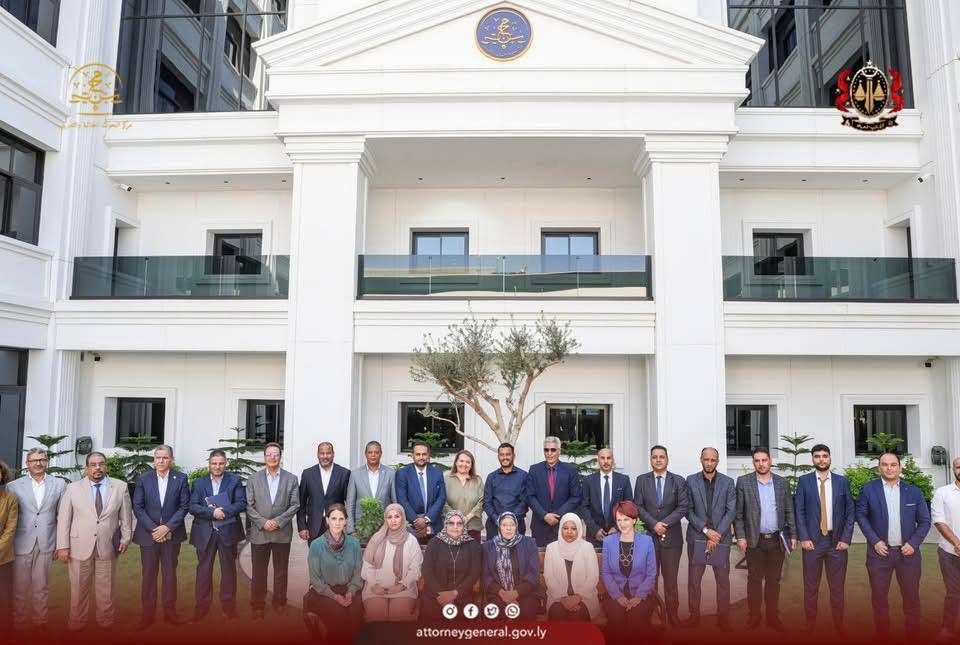
شارك المجلس الوطني للحريات وحقوق الإنسان، بصفته مؤسسة وطنية مستقلة تُعنى بتعزيز وحماية حقوق الإنسان والحريات الأساسية، في نشاط تدريبي متخصص في مجالات العدالة الجنائية، ومنع الجريمة ومكافحتها، وتطوير منظومات الإحصاء وإعداد التقارير المتعلقة بمكافحة الاتجار بالبشر وتهريب المهاجرين، والذي نظمه مركز البحوث الجنائية والتدريب بمكتب النائب العام، بالتعاون مع مؤسسة خبراء فرنسا.
ومثّل المجلس في هذا النشاط كل من الأستاذة ابتسام الساحلي، مدير إدارة متابعة المرأة والطفل، والأستاذة فاطمة حواص، مدير إدارة استقبال الشكاوى ورصد الانتهاكات، وذلك في إطار اهتمام المجلس بتعزيز حضوره ومشاركته في المبادرات الوطنية ذات الصلة بحقوق الإنسان، ودعم تبادل الخبرات والممارسات الفضلى في المجالات المرتبطة بمنع الجريمة وحماية الفئات الأكثر عرضة للانتهاكات.
ويأتي هذا النشاط ضمن البرنامج التدريبي لمركز البحوث الجنائية والتدريب، وفي سياق دعم مشروع «التحول الرقمي للعدالة الجنائية» الذي تضطلع به النيابة العامة، وما يرتبط به من جهود لتطوير نظم الإحصاء والبيانات وإعداد التقارير المبنية على منهجيات علمية وبيانات موثوقة.
وشهد النشاط مشاركة عدد من وكلاء النيابة العامة والعاملين بمكتب النائب العام ونيابات مكافحة الهجرة غير الشرعية، إلى جانب باحثين ومختصين من مركز البحوث الجنائية والتدريب، وممثلين عن عدد من الجهات العامة، ومنظمات المجتمع المدني، إضافة إلى خبراء دوليين في مجال مكافحة الاتجار بالبشر وتهريب المهاجرين.
وتناول النشاط عدداً من الموضوعات ذات الصلة بجودة البيانات، وآليات جمعها وحمايتها والتحقق من دقتها، وضمان قابليتها للمقارنة، ومنهجيات تحليلها وتوظيف نتائجها في إعداد التقارير وصياغة السياسات واتخاذ القرارات المستندة إلى الأدلة.
كما ناقش المشاركون التحديات المرتبطة بجمع البيانات من مصادر وجهات متعددة، وأهمية تعزيز التنسيق وتبادل المعلومات بين المؤسسات والجهات ذات العلاقة، بما يسهم في الحد من تشتت البيانات أو ازدواجيتها، ويدعم بناء منظومة وطنية أكثر تكاملاً واستدامة للإحصاء وإعداد التقارير.
وتأتي مشاركة المجلس في هذا النشاط تأكيداً على أهمية التعاون المؤسسي وتبادل الخبرات بين الجهات الوطنية ذات الصلة، وتعزيز النهج القائم على حقوق الإنسان في التعامل مع قضايا العدالة الجنائية ومنع الجريمة ومكافحتها، بما في ذلك مكافحة الاتجار بالبشر وتهريب المهاجرين، مع أهمية مراعاة حقوق الضحايا والفئات المستضعفة وضمان حمايتهم وفقاً للتشريعات الوطنية والالتزامات الدولية ذات الصلة.
وفي ختام النشاط، أكد المشاركون أهمية تطوير آليات التنسيق البيني وإرساء أسس منهجية ومستدامة لجمع البيانات وتحليلها وإعداد التقارير، بما يعزز القدرة المؤسسية على تقييم الجهود الوطنية، وتطوير السياسات والتدابير الإدارية والقضائية والتشريعية ذات الصلة.
National Council for Public Liberties and Human Rights Participates in a Training Activity on Criminal Justice, Crime Prevention and Combating Crime
Tripoli, Libya | 10 September 2026
The National Council for Public Liberties and Human Rights, as an independent national institution mandated to promote and protect human rights and fundamental freedoms, participated in a specialized training activity addressing criminal justice, crime prevention and combating crime, as well as the development of statistical systems and reporting mechanisms related to combating trafficking in persons and migrant smuggling. The activity was organized by the Criminal Research and Training Center of the Office of the Public Prosecutor, in cooperation with Expertise France.
The Council was represented by Ms. Ibtisam Al-Sahli, Director of the Department of Women and Children’s Affairs, and Ms. Fatma Hawwas, Director of the Department of Complaints Reception and Monitoring of Violations. Their participation reflects the Council’s commitment to strengthening its engagement in national initiatives related to human rights and to promoting the exchange of expertise and good practices in areas related to crime prevention and the protection of persons and groups at heightened risk of violations.
The activity was conducted as part of the training programme of the Criminal Research and Training Center and in the context of supporting the “Digital Transformation of Criminal Justice” project undertaken by the Public Prosecution, including efforts to develop statistical and data systems and to prepare reports based on sound methodologies and reliable data.
The activity brought together a number of members of the Public Prosecution, officials from the Office of the Public Prosecutor and the Prosecutor’s Offices responsible for combating irregular migration, as well as researchers and specialists from the Criminal Research and Training Center, representatives of a number of public institutions and civil society organizations, in addition to international experts in the field of combating trafficking in persons and migrant smuggling.
The training addressed a range of issues relating to data quality, mechanisms for collecting and protecting data, verifying its accuracy, ensuring comparability, and methodologies for data analysis and the use of its findings in preparing reports, developing policies, and supporting evidence-based decision-making.
Participants also discussed challenges associated with collecting data from multiple sources and institutions, as well as the importance of strengthening coordination and information-sharing among relevant institutions and stakeholders. Such efforts contribute to reducing data fragmentation and duplication and support the development of a more integrated and sustainable national system for statistics and reporting.
The Council’s participation in this activity underscores the importance of institutional cooperation and the exchange of expertise among relevant national stakeholders, while promoting a human rights-based approach to criminal justice, crime prevention and combating crime, including trafficking in persons and migrant smuggling. It also highlights the importance of safeguarding the rights of victims and persons in vulnerable situations and ensuring their protection in accordance with national legislation and relevant international obligations.
At the conclusion of the activity, participants emphasized the importance of developing inter-institutional coordination mechanisms and establishing sound and sustainable methodological foundations for data collection, analysis and reporting. These efforts are essential to strengthening institutional capacity to assess national efforts and to develop relevant administrative, judicial and legislative policies and measures.
نشاط تدريبي حول العدالة الجنائية ومنع الجريمة ومكافحتها


مقالات ذات صلة
Continue to the category