

The National Council for Civil Liberties and Human Rights Reviews Its Human Rights Report on the Conditions of Juveniles at the Juvenile Rehabilitation and Guidance Home – Tajoura
الخميس :13 أغسطس 2026
في إطار اضطلاع المجلس الوطني للحريات وحقوق الإنسان بمهامه في مجال الرصد والمتابعة الميدانية لأوضاع حقوق الإنسان، وتعزيز دوره في حماية حقوق الفئات الأكثر احتياجًا للرعاية والحماية، استعرض المجلس، اليوم الخميس، تقرير الزيارة الميدانية التي أجراها فريقه إلى دار تربية وتوجيه الأحداث (الذكور) – تاجوراء، والتي تمت خلال شهر ديسمبر 2025م.
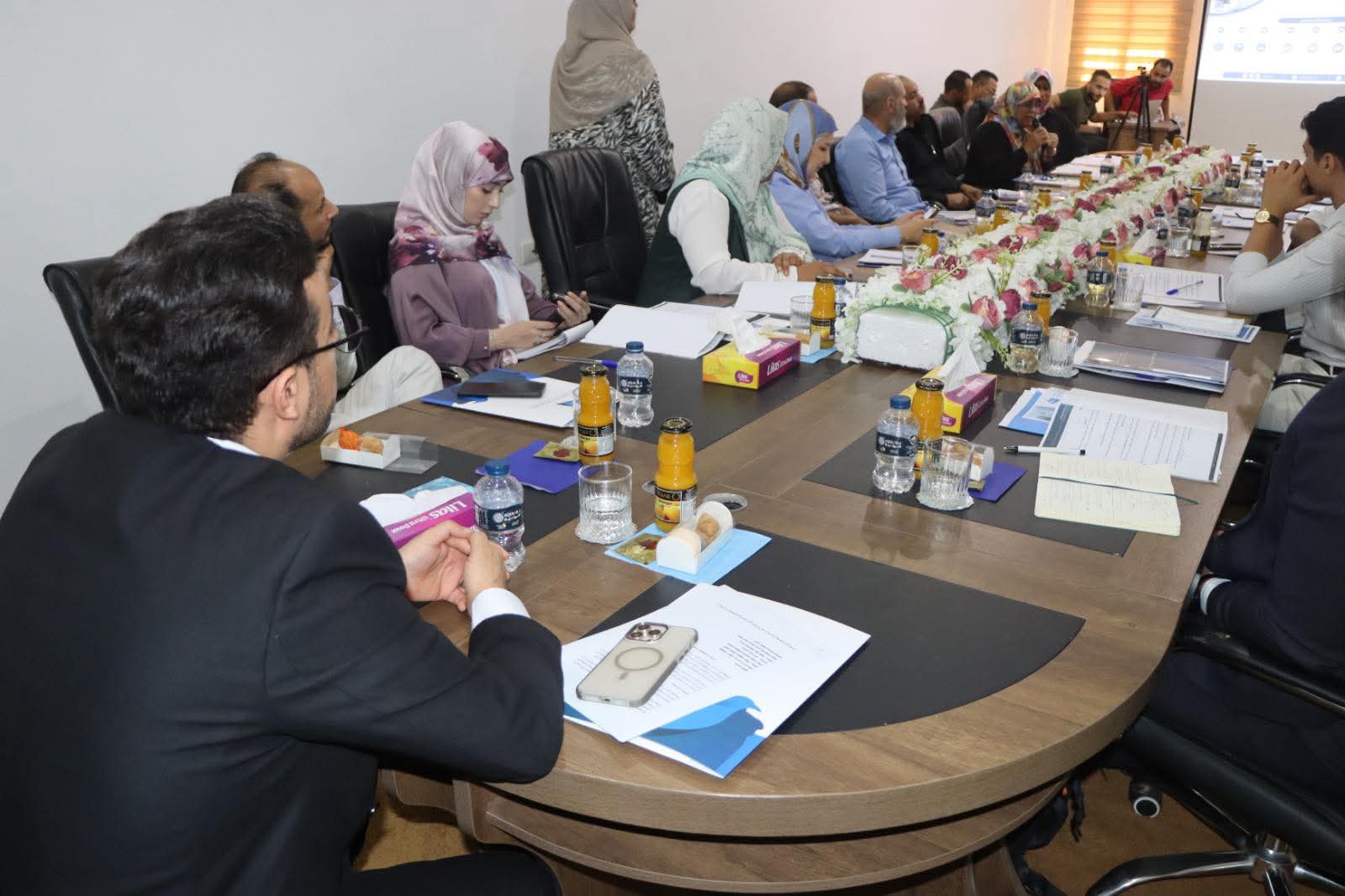
وجرى استعراض التقرير بحضور ممثلين عن بعثة الأمم المتحدة للطفولة (اليونيسف)، وعدد من المؤسسات والجهات الوطنية المعنية بحقوق الطفل والرعاية والإصلاح والتأهيل، إلى جانب ممثلي منظمات المجتمع المدني ذات الصلة وهي منظمة احقاق لدعم المرأة والطفل ، منظمة 21 مارس لدعم حقوق الطفل ، شبكة هذا وطني لدعم وحماية الاحداث الجانحين ، مؤسسة من حقي لدعم وحماية الاحداث الجانحين ، منصة هي تتحقق ، ومديري الإدارات بالمجلس وموظفيه.
وتناول التقرير أبرز النتائج والملاحظات التي خلص إليها فريق المجلس خلال الزيارة الميدانية، في ضوء تقييم أوضاع الأحداث ومدى توافقها مع التشريعات الوطنية والمعايير والمواثيق الدولية ذات الصلة بحقوق الطفل، كما تضمن مجموعة من التوصيات والمقترحات العملية الرامية إلى معالجة مواطن التحدي، وتحسين ظروف الرعاية والتأهيل، وتعزيز ضمانات حماية الأحداث وصون حقوقهم .
وفي كلمته الافتتاحية، أكد المكلف بتسيير مهام المجلس الوطني للحريات وحقوق الإنسان، الأستاذ عبدالمولي أبونتيشة، أن استعراض التقرير لا يمثل مجرد عرض لنتائج زيارة ميدانية، وإنما يجسد نهجًا مؤسسيًا يقوم على الرصد الموضوعي، والتقييم الحقوقي، والحوار مع الجهات المختصة، واقتراح المعالجات العملية التي يمكن أن تسهم في تحسين أوضاع حقوق الإنسان وتعزيز الضمانات القانونية.
وشدد على أن حماية حقوق الأطفال الأحداث المتصلين بالقانون تستلزم تكاملًا مستمرًا بين الجهات القضائية ووزارة الشؤون الاجتماعية وصندوق التضامن الاجتماعي والجهات المختصة بالإصلاح والتأهيل والرعاية الاجتماعية، إلى جانب المؤسسات الوطنية ومنظمات المجتمع المدني والشركاء الدوليين، مؤكدًا أن حماية الطفل مسؤولية مشتركة تتطلب تنسيقًا مؤسسيًا مستدامًا وتكاملًا في الأدوار.
وأضاف أن المجلس سيواصل، في إطار ولايته الرقابية، تنفيذ الزيارات الميدانية وأعمال الرصد والمتابعة والتقييم، وتعزيز التعاون مع مؤسسات الدولة والجهات الوطنية والدولية ذات الصلة، بما يدعم تطوير منظومة حماية حقوق الإنسان في ليبيا، ويولي اهتمامًا خاصًا بحقوق الأطفال والفئات الأكثر احتياجًا للحماية والرعاية.
من جانبه، أشاد ممثل بعثة الأمم المتحدة للطفولة (اليونيسف) بجهود المجلس في مجال تعزيز وحماية حقوق الإنسان، مثمنًا ما تضمنه التقرير من ملاحظات وتوصيات، ومؤكدًا أهمية الاستفادة منها في تطوير بيئة الرعاية والتأهيل للأطفال الأحداث المتصلين بالقانون.
وأكد ممثل البعثة استعداد اليونيسف لمواصلة التعاون مع المجلس والجهات الوطنية المعنية، وتقديم ما يلزم من دعم فني ومشورة في المجالات ذات الصلة بحقوق الطفل، كما استعرض جانبًا من جهود وبرامج اليونيسف المنفذة بالتعاون مع الشركاء الوطنيين لتعزيز حماية الأطفال ودعم منظومة العدالة والرعاية الاجتماعية.
وأكد المجلس أن عرض نتائج الزيارة وملاحظاتها لا يستهدف توجيه الاتهام إلى أي مؤسسة أو جهة، وإنما يأتي في إطار ولايته الرقابية وحرصه على رصد التحديات وتحديد مواطن الخلل واقتراح سبل عملية لمعالجتها، بما يسهم في تطوير أداء المؤسسات، وتعزيز سيادة القانون، وترسيخ مقاربة حقوقية قائمة على حماية الإنسان وصون كرامته.
وتضمن برنامج الاستعراض عرضًا مرئيًا يوثق الزيارة الميدانية التي أجراها فريق المجلس، أعقبه تقديم لأبرز محاور التقرير ونتائجه، قبل فتح باب النقاش والحوار مع المشاركين والاستماع إلى ملاحظاتهم واستفساراتهم، واختتام أعمال اللقاء باستعراض وقراءة التوصيات الواردة في التقرير.
ويؤكد المجلس الوطني للحريات وحقوق الإنسان أن متابعة أوضاع الأطفال الأحداث المتصلين بالقانون تمثل جزءًا أساسيًا من مسؤولياته في حماية حقوق الإنسان، وأن معالجة التحديات التي رصدها التقرير تتطلب استجابة مؤسسية مشتركة، وتنسيقًا مستمرًا بين الجهات ذات العلاقة، ومتابعة عملية لتنفيذ التوصيات، بما يضمن توفير بيئة آمنة وإنسانية ملائمة للتأهيل وإعادة الإدماج، ويحفظ كرامة الأطفال وحقوقهم وفقًا للتشريعات الوطنية والالتزامات والمعايير الدولية ذات الصلة.
The National Council for Civil Liberties and Human Rights Reviews Its Human Rights Report on the Conditions of Juveniles at the Juvenile Rehabilitation and Guidance Home – Tajoura
Thursday, 13 August 2026
As part of its mandate to monitor and conduct field assessments of the human rights situation, and in furtherance of its role in protecting the rights of groups most in need of care and protection, the National Council for Civil Liberties and Human Rights today, Thursday, reviewed the report on the field visit conducted by its team to the Juvenile Rehabilitation and Guidance Home (Boys) in Tajoura, which took place in December 2025.
The report was reviewed in the presence of representatives of the United Nations Children’s Fund (UNICEF), as well as representatives of a number of national institutions and bodies concerned with children’s rights, care, rehabilitation and correctional services, in addition to representatives of relevant civil society organizations, including Ihqaq Organization for the Support of Women and Children, March 21 Organization for the Support of Children’s Rights, Hatha Watani Network for the Support and Protection of Juveniles in Conflict with the Law, Min Haqqi Foundation for the Support and Protection of Juveniles in Conflict with the Law, Hiya Ttahaqqaq Platform, as well as directors of the Council’s departments and its staff.
The report addressed the key findings and observations reached by the Council’s team during the field visit, in light of its assessment of the conditions of juveniles and the extent to which these conditions comply with national legislation and relevant international standards and instruments concerning children’s rights. It also included a set of practical recommendations and proposals aimed at addressing identified challenges, improving care and rehabilitation conditions, and strengthening safeguards for the protection of juveniles and the preservation of their rights.
In his opening remarks, Mr. Abdulmoli Ramadan Abunteecha, Acting Head of the National Council for Civil Liberties and Human Rights, emphasized that reviewing the report represents more than merely presenting the findings of a field visit. Rather, it reflects an institutional approach based on objective monitoring, human rights assessment, dialogue with the competent authorities, and the proposal of practical measures that can contribute to improving the human rights situation and strengthening legal safeguards.
He stressed that protecting the rights of children in conflict with the law requires sustained coordination among judicial authorities, the Ministry of Social Affairs, the Social Solidarity Fund, the authorities responsible for rehabilitation and correctional services and social care, as well as national institutions, civil society organizations and international partners. He emphasized that child protection is a shared responsibility that requires sustainable institutional coordination and an integrated approach to the respective roles of all stakeholders.
He further noted that, within the framework of its oversight mandate, the Council will continue to conduct field visits and carry out monitoring, follow-up and assessment activities, while strengthening cooperation with state institutions and relevant national and international stakeholders. These efforts aim to support the development of the human rights protection system in Libya, with particular attention to the rights of children and groups most in need of protection and care.
For his part, the representative of the United Nations Children’s Fund (UNICEF) commended the Council’s efforts to promote and protect human rights, highlighting the observations and recommendations contained in the report and underscoring the importance of making use of them to improve the care and rehabilitation environment for children in conflict with the law.
The UNICEF representative affirmed the Fund’s readiness to continue its cooperation with the Council and relevant national authorities and to provide the necessary technical support and advice in areas related to children’s rights. He also presented an overview of UNICEF’s efforts and programmes implemented in cooperation with national partners to strengthen child protection and support the justice and social care systems.
The Council emphasized that presenting the findings and observations of the field visit is not intended to level accusations against any institution or authority. Rather, it is undertaken as part of its oversight mandate and its commitment to monitoring challenges, identifying shortcomings and proposing practical solutions to address them, thereby contributing to improving institutional performance, strengthening the rule of law and consolidating a human rights-based approach centered on the protection of people and the preservation of their dignity.
The review programme included a visual presentation documenting the field visit conducted by the Council’s team, followed by an overview of the report’s key areas and findings. This was followed by an open discussion and dialogue with participants, during which their observations and questions were heard. The meeting concluded with a presentation and reading of the recommendations contained in the report.
The National Council for Civil Liberties and Human Rights reaffirms that monitoring the situation of children in conflict with the law constitutes an essential part of its responsibilities in protecting human rights. It further emphasizes that addressing the challenges identified in the report requires a joint institutional response, continuous coordination among the relevant stakeholders, and effective follow-up on the implementation of the recommendations. This is essential to ensuring a safe, humane and appropriate environment for rehabilitation and reintegration, while safeguarding the dignity and rights of children in accordance with national legislation and relevant international obligations and standards.
