
تونس : 16 يوليو 2026
The National Council for Public Liberties and Human Rights Concludes the National Human Rights Reporting Guide Validation Workshop with Technical Support from GIZ and Funding from the European Union
Tunis – 16 July 2026
اختتم المجلس الوطني للحريات وحقوق الإنسان أعمال ورشة العمل الخاصة باعتماد الدليل الوطني لإعداد التقارير الحقوقية (المراجعة والتدقيق والتطبيق العملي)، والتي استضافتها العاصمة التونسية على مدى خمسة أيام، بدعم فني من المؤسسة الألمانية للتعاون الدولي (GIZ)، وبتمويل من الاتحاد الأوروبي، في إطار جهود المجلس لتعزيز قدراته المؤسسية وتطوير منهجيات إعداد التقارير الحقوقية وفق المعايير الدولية.
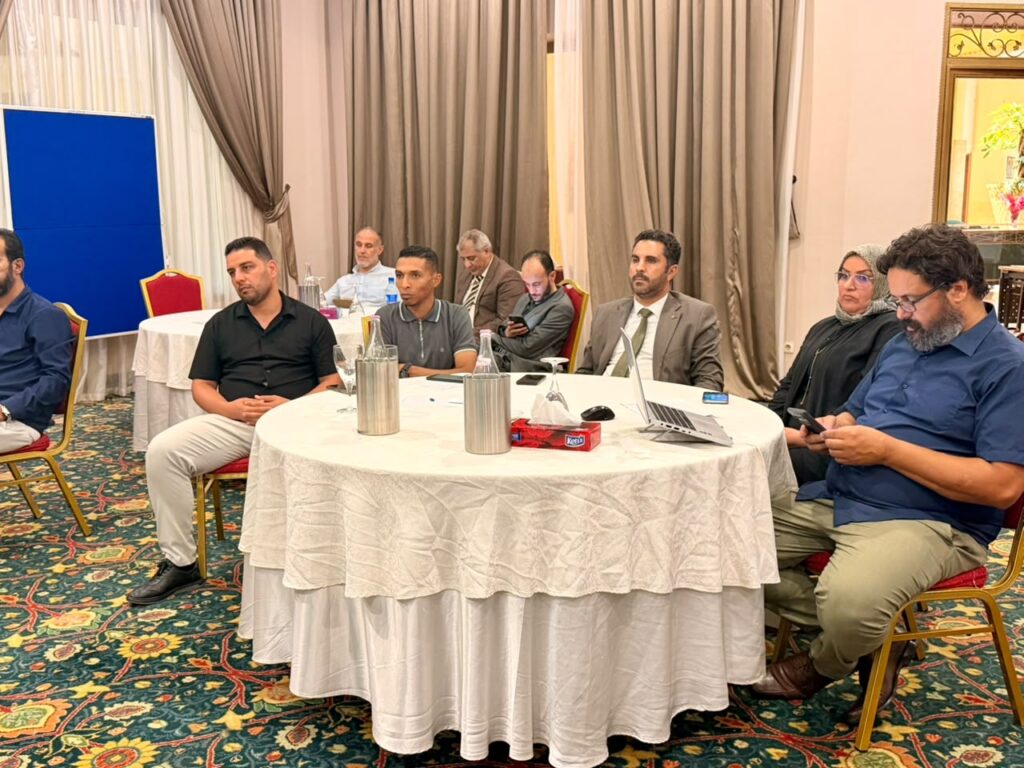
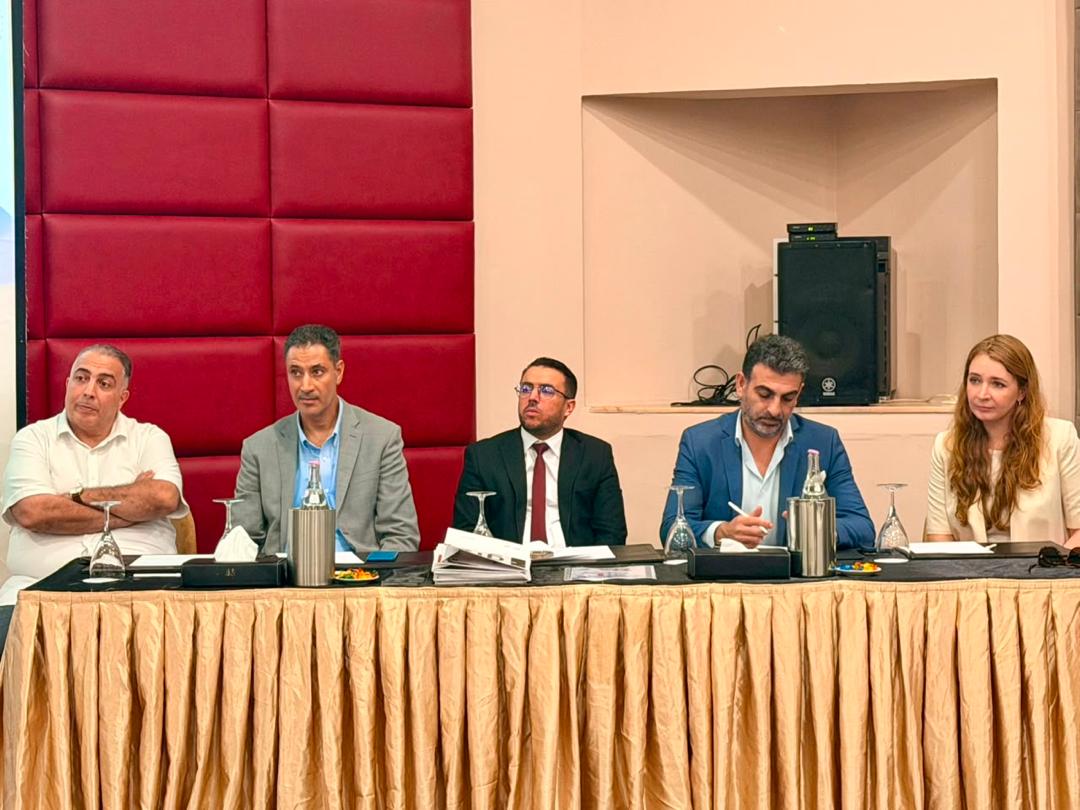
وشهد حفل الاختتام حضور المكلف بتسيير أعمال المجلس الأستاذ عبدالمولي رمضان أبونتيشة، والمهندس راني داوود مدير برنامج دعم البلديات في ليبيا ومشروع «مساندة (2)» بالمؤسسة الألمانية للتعاون الدولي (GIZ)، والسيدة ميتا أو تشتريع مديرة مشروع «مساندة»، والأستاذ الصديق خالدي القائم بأعمال الهيئة العليا لحقوق الإنسان بالجمهورية التونسية، إلى جانب عدد من الخبراء والمختصين ، كما شارك في أعمال الورشة الأمين الإداري العام للمجلس الأستاذ محمد المكشر، وممثلون عن إدارات ديوان و مناطقه من مختلف المناطق الليبية.
وأكد المتحدثون خلال الجلسة الختامية أن اعتماد الدليل يمثل خطوة مؤسسية نوعية نحو توحيد منهجيات الرصد والتوثيق وإعداد التقارير داخل المجلس، بما يعزز جودة المخرجات الحقوقية، ويرسخ الممارسات المهنية المتوافقة مع المعايير الدولية ومبادئ باريس المنظمة لعمل المؤسسات الوطنية لحقوق الإنسان.
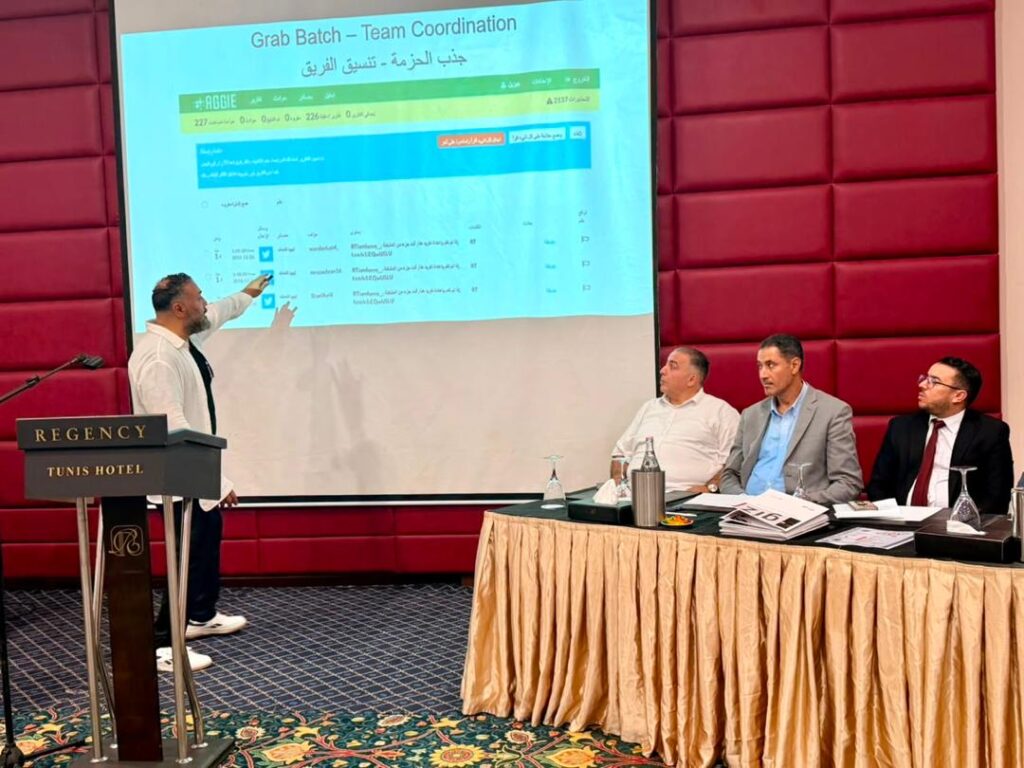
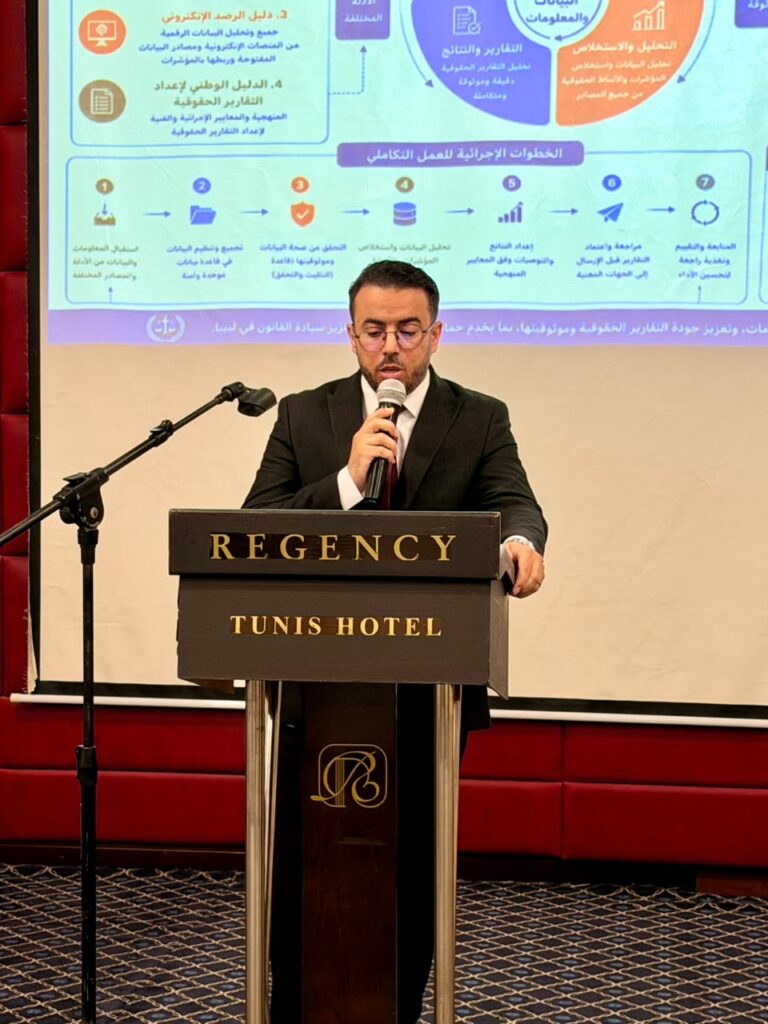
كما تضمنت الجلسة الختامية عروضًا استعرضت جهود المجلس في إعداد واعتماد حزمة من الأدلة الإجرائية، وخططه لرقمنتها وميكنة إجراءات العمل المؤسسي، إضافة إلى عرض ملامح الدليل التكاملي الذي يعتزم المجلس تطويره خلال المرحلة المقبلة.
واختُتمت الورشة باعتماد الصيغة النهائية للدليل الوطني لإعداد التقارير الحقوقية، ليكون مرجعًا مؤسسيًا موحدًا يسهم في تطوير جودة التقارير الحقوقية، ورفع كفاءة الكوادر الوطنية في مجالات الرصد والتوثيق وإعداد التقارير، بما يعزز ولاية المجلس في حماية وتعزيز حقوق الإنسان ومتابعة تنفيذ الالتزامات الوطنية والدولية ذات الصلة.
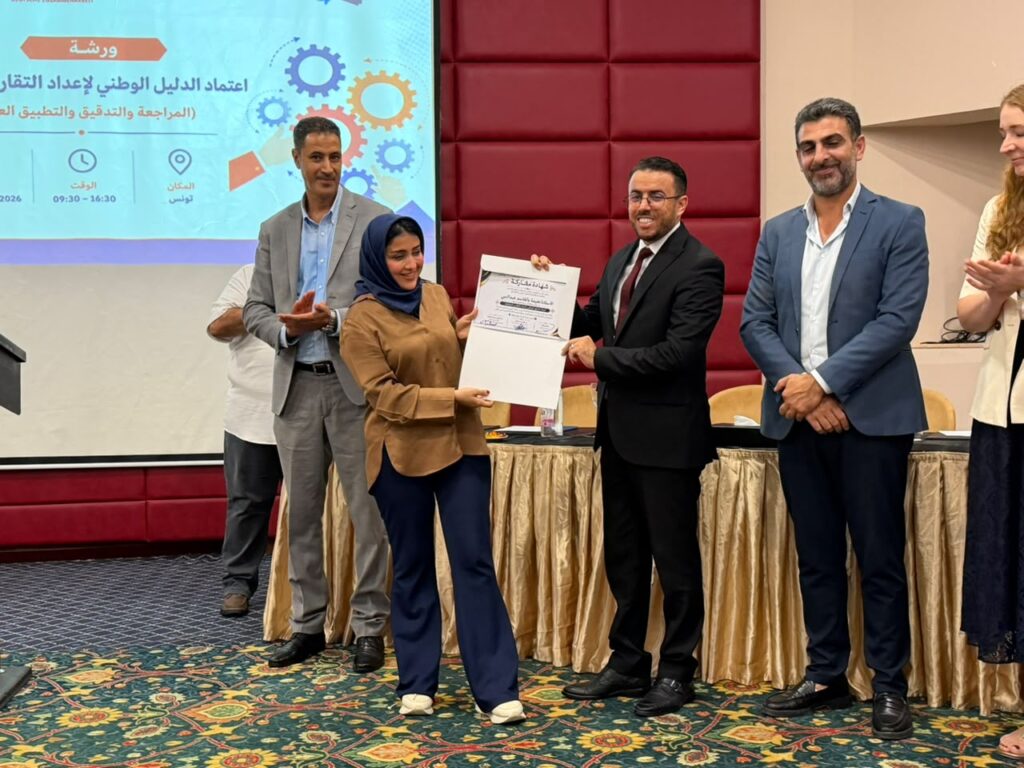
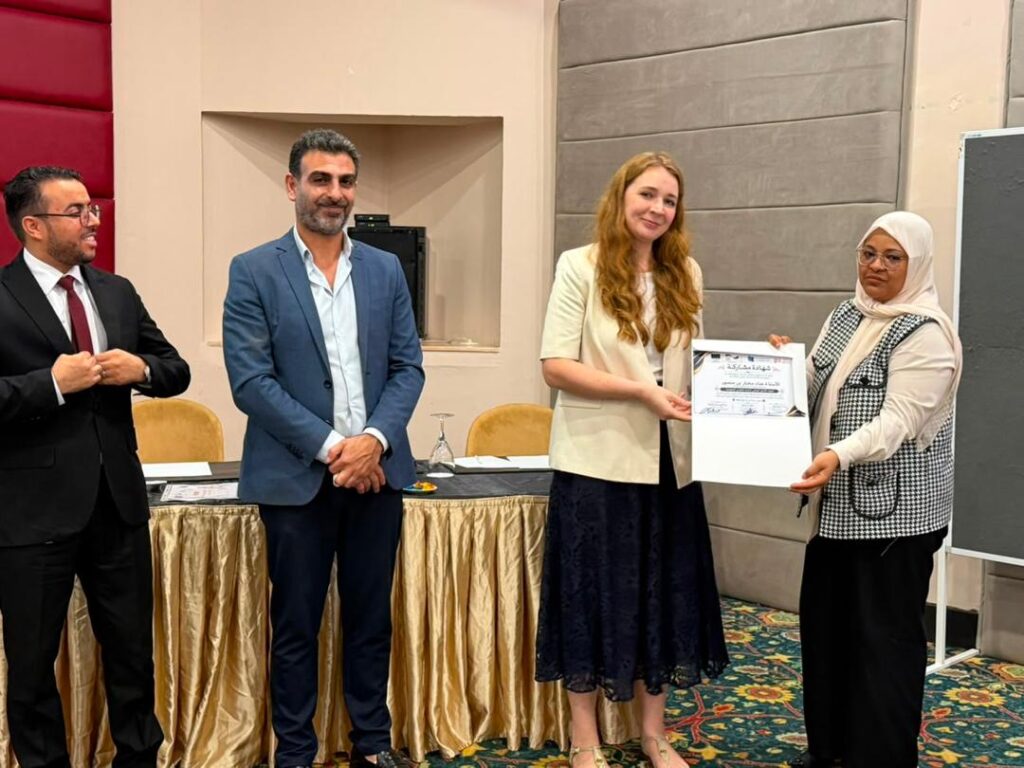
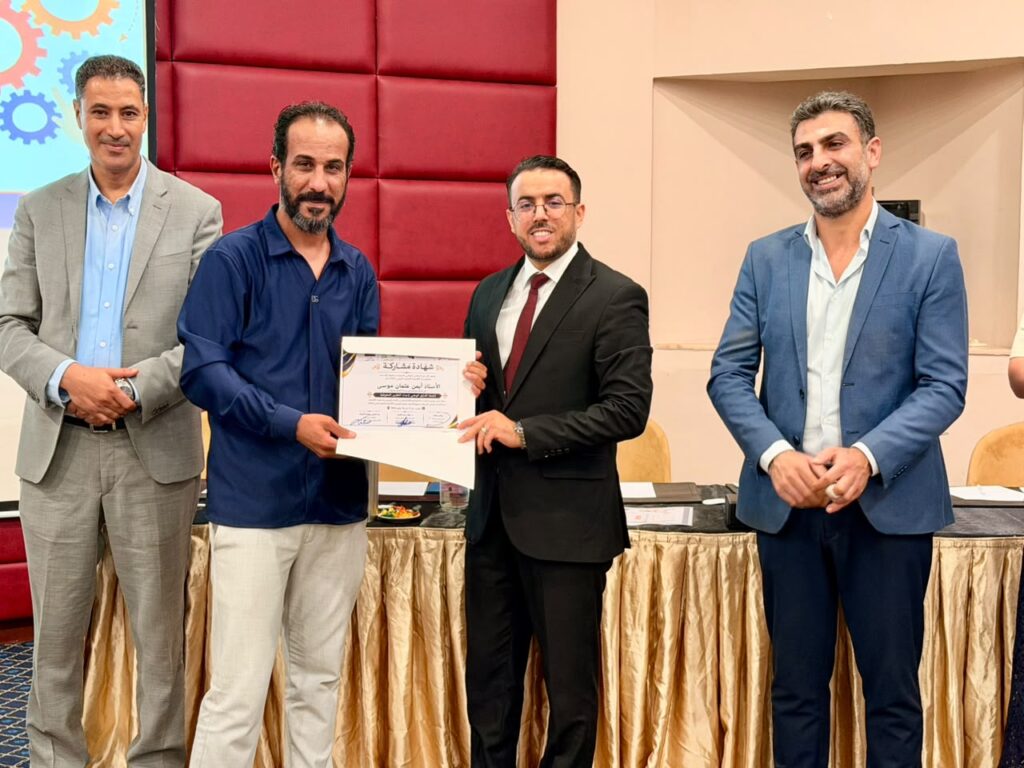
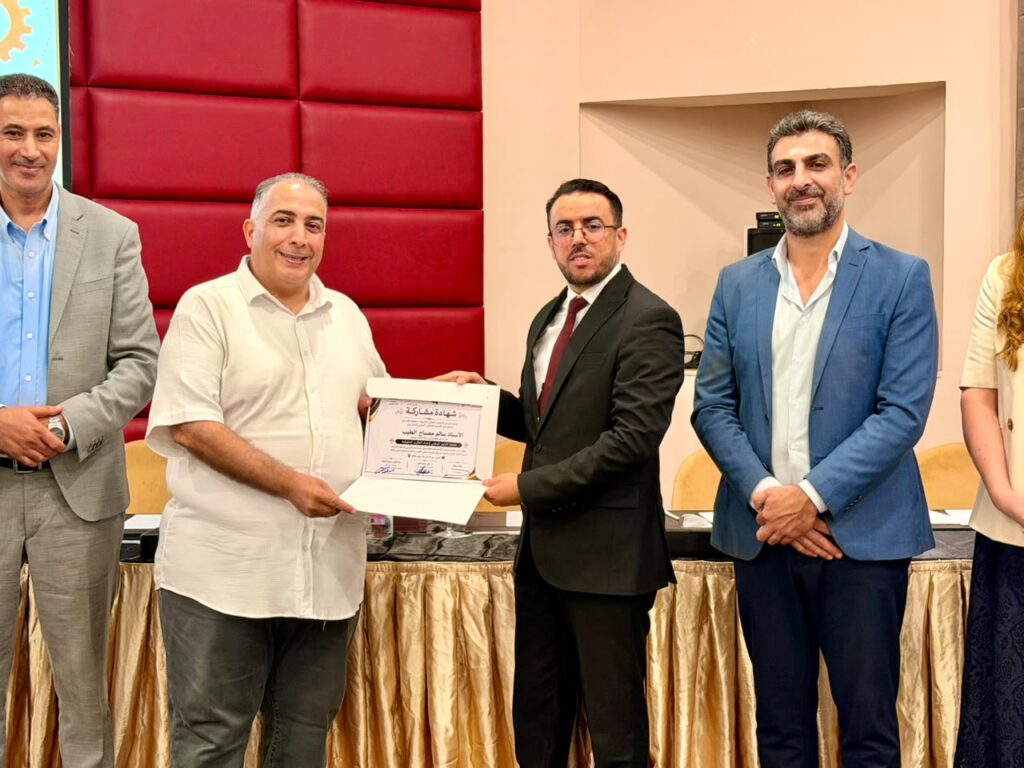
وفي ختام الفعاليات، جرى توزيع شهادات المشاركة، فيما أعرب المجلس في ختام فعاليات الورشة عن تقديره للمؤسسة الألمانية للتعاون الدولي (GIZ) والاتحاد الأوروبي على دعمهما، مؤكدًا مواصلة شراكاته مع المؤسسات الوطنية والدولية بما يسهم في تعزيز الأداء المؤسسي وترسيخ منظومة حقوق الإنسان في ليبيا.
The National Council for Public Liberties and Human Rights Concludes the National Human Rights Reporting Guide Validation Workshop with Technical Support from GIZ and Funding from the European Union
Tunis – 16 July 2026
The National Council for Public Liberties and Human Rights concluded a five-day workshop dedicated to the validation of the National Guide for Human Rights Reporting (Review, Validation, and Practical Application), held in Tunis with technical support from the German Agency for International Cooperation (GIZ) and funding from the European Union. The workshop formed part of the Council’s ongoing efforts to strengthen its institutional capacity and enhance human rights reporting methodologies in line with international standards.
The closing ceremony was attended by Mr. Abdulmoula Ramadan Abunteisha, Acting Head of the National Council for Public Liberties and Human Rights; Mr. Rani Daoud, Programme Manager for the Municipal Support Programme in Libya and the Musanada II Project at GIZ; Ms. Meta O. Tschtrieg, Project Manager of the Musanada Project; and Mr. Sadok Khaldi, Acting Head of the Higher Committee for Human Rights of the Republic of Tunisia. The event also brought together a number of experts and specialists. The workshop was attended by the Council’s Administrative Secretary-General, Mr. Mohammed Al-Mukashar, along with representatives from the Council’s departments and regional offices across Libya.
During the closing session, speakers emphasized that the adoption of the Guide represents a significant institutional milestone toward standardizing methodologies for monitoring, documentation, and human rights reporting within the Council. They noted that the Guide will contribute to improving the quality of human rights reporting while promoting professional practices consistent with international standards and the Paris Principles governing National Human Rights Institutions.
The closing session also featured presentations highlighting the Council’s efforts to develop and adopt a comprehensive set of procedural manuals, as well as its plans to digitalize these resources and automate institutional workflows. Participants were also introduced to the key features of an integrated institutional guide that the Council intends to develop during the next phase.
The workshop concluded with the formal adoption of the final version of the National Guide for Human Rights Reporting, which will serve as a unified institutional reference to enhance the quality of human rights reports and strengthen the capacities of national staff in monitoring, documentation, and reporting. The Guide will further support the Council in fulfilling its mandate to protect and promote human rights and to monitor the implementation of Libya’s national and international human rights obligations.
At the conclusion of the workshop, certificates of participation were awarded to all participants. The Council also expressed its sincere appreciation to GIZ and the European Union for their valuable support and reaffirmed its commitment to strengthening partnerships with national and international institutions in order to enhance institutional performance and further advance the human rights system in Libya.