
تونس في 13 يوليو 2026
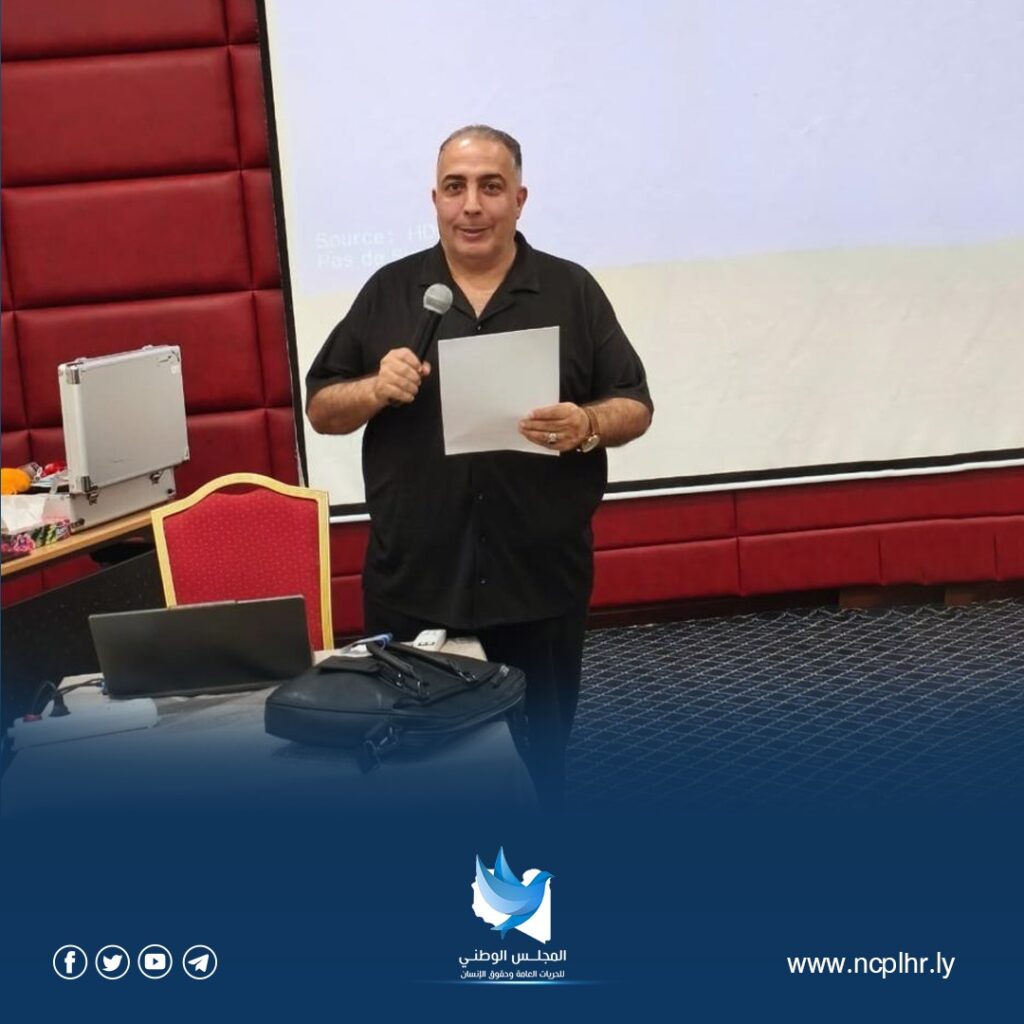
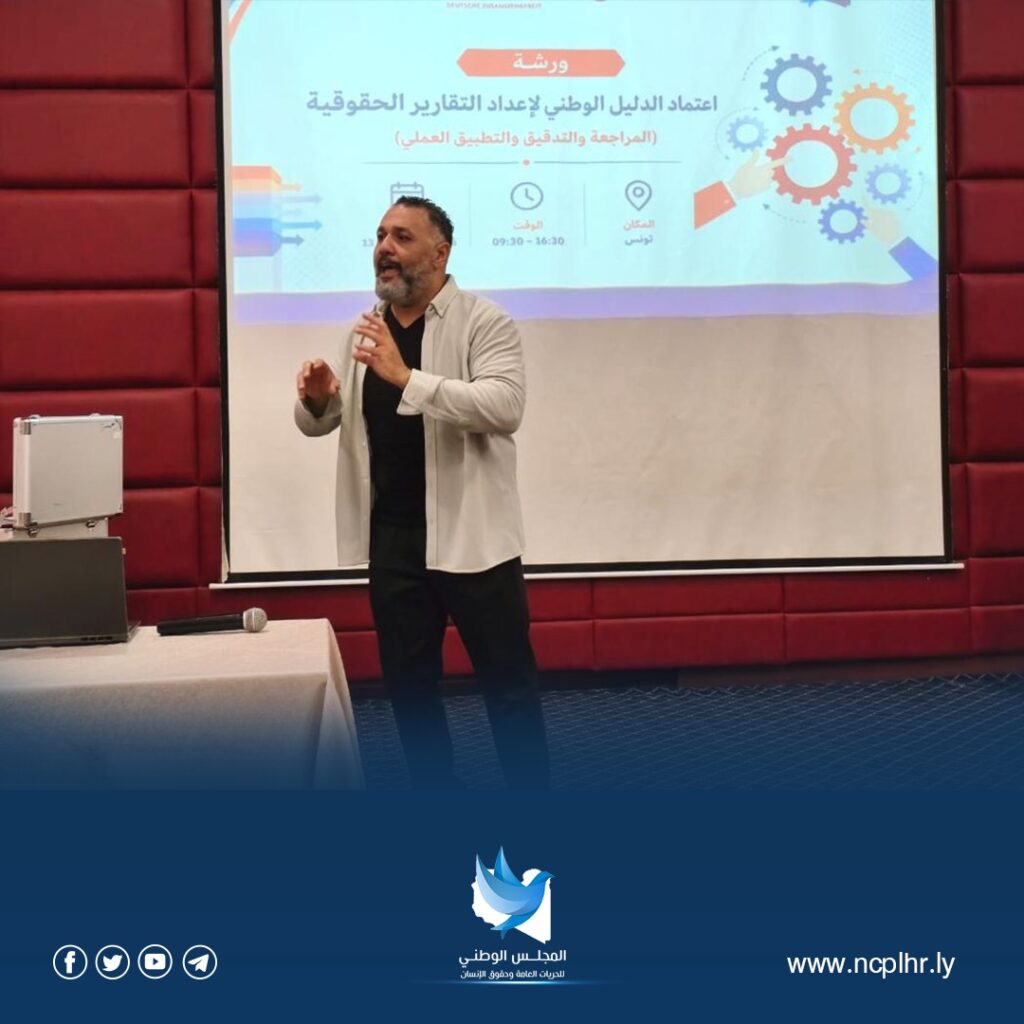
انطلقت بالعاصمة التونسية صباح اليوم الإثنين أعمال ورشة اعتماد الدليل الوطني لإعداد التقارير الحقوقية (المراجعة والتدقيق والتطبيق العملي)، التي ينظمها المجلس الوطني للحريات وحقوق الإنسان، بدعم من المؤسسة الألمانية للتعاون الدولي (GIZ)، وبتمويل من الاتحاد الأوروبي، وذلك بمشاركة الامين الاداري العام الاستاذ محمد المكشر و ممثلين عن فروع وإدارات المجلس من مختلف المناطق الليبية (الشرقية، والغربية، والجنوبية، والوسطى)، إلى جانب ممثل عن وزارة الداخلية، وتستمر الورشة أعمالها على مدى أربعة أيام متتالية.
وتأتي تنظيم هذه الورشة في إطار جهود المجلس الرامية إلى تطوير منظومة إعداد التقارير الحقوقية، وتعزيز كفاءتها بما ينسجم مع أفضل الممارسات والمعايير الوطنية والدولية، وذلك من خلال اعتماد الدليل الوطني لإعداد التقارير الحقوقية بوصفه مرجعًا وطنيًا موحدًا يحدد المنهجية الإجرائية والمعرفية والفنية لإعداد التقارير الحقوقية.
وتهدف الورشة إلى إجراء مراجعة شاملة للدليل وتدقيقه بصورة تشاركية، واختبار مدى قابليته للتطبيق العملي، بما يسهم في تطويره وتحسينه قبل اعتماده بصيغته النهائية، وصولًا إلى بناء منهجية وطنية موحدة تسهم في الارتقاء بجودة التقارير الحقوقية الصادرة عن المجلس.
وتتضمن الورشة مراجعة وتدقيق الأطر الإجرائية والمعرفية والفنية للدليل، وتوحيد الملاحظات والمقترحات الخاصة بكل محور، إلى جانب تنفيذ تطبيقات عملية لإعداد تقارير حقوقية وفق المنهجية المعتمدة بالدليل، بما يعزز قدرة المشاركين على توظيفه في العمل الميداني وإعداد التقارير وفق أسس علمية ومهنية.
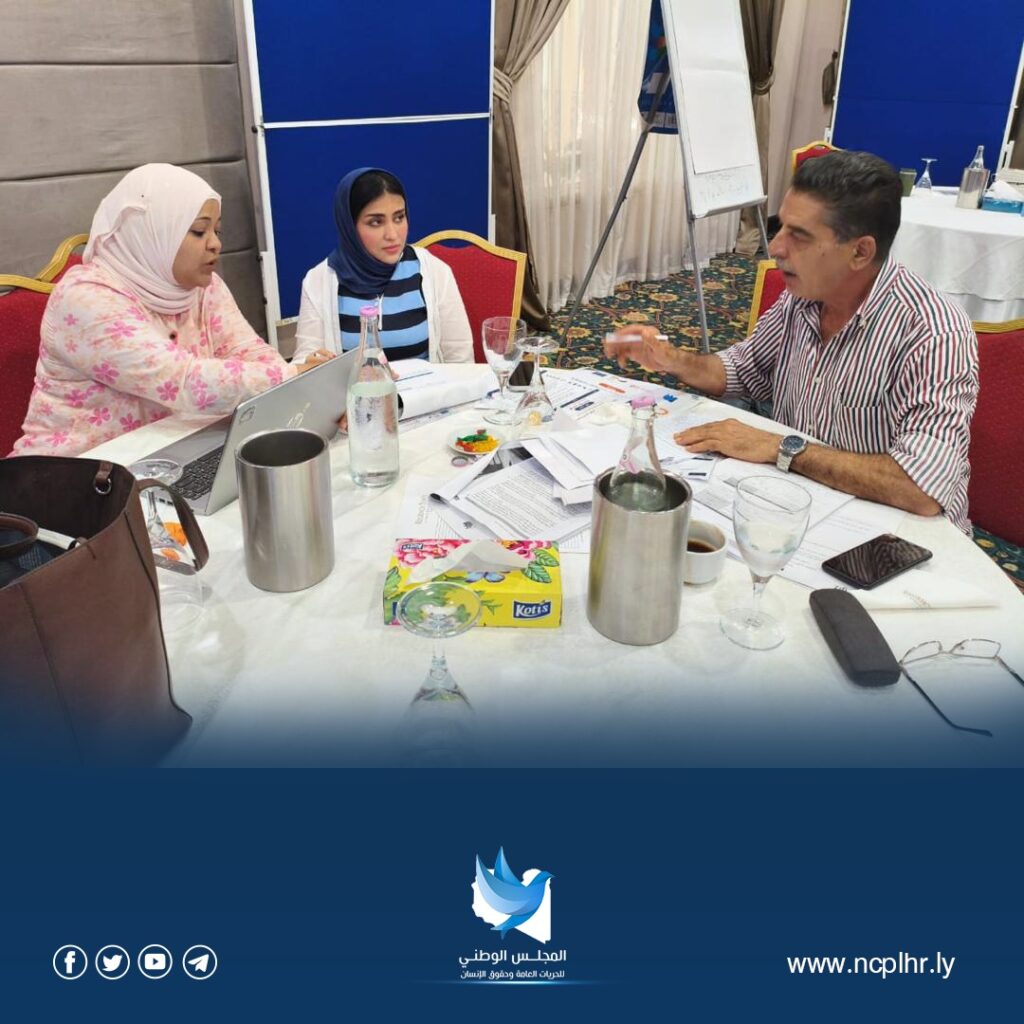
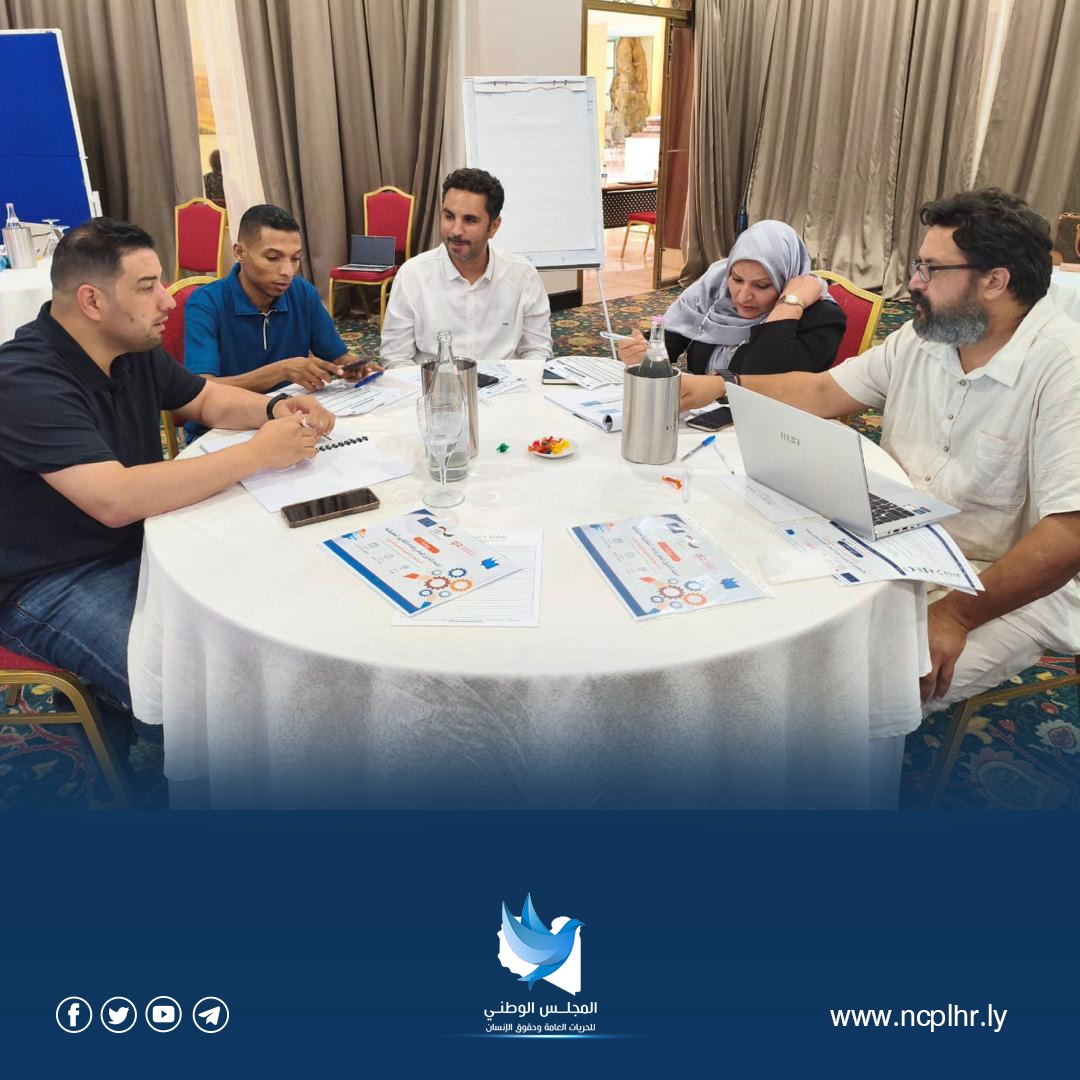
وتعتمد الورشة منهجية عمل تشاركية، من خلال تقسيم المشاركين إلى ثلاث مجموعات عمل تتولى مراجعة محاور الدليل باستخدام نماذج موحدة لرصد الملاحظات والمقترحات، على أن تُعرض نتائج أعمال المجموعات في ختام كل يوم للمناقشة والتوافق حولها، تمهيدًا لإحالتها إلى فريق إعداد الدليل لدراستها وإدماجها في النسخة النهائية.
وتعكس هذه الورشة التزام المجلس الوطني للحريات وحقوق الإنسان بمواصلة تطوير أدواته المؤسسية، وتعزيز جودة التقارير الحقوقية، وترسيخ منهجية وطنية موحدة تتوافق مع مبادئ باريس والمعايير الدولية لحقوق الإنسان، بما يدعم دوره كمؤسسة وطنية مستقلة في مجال تعزيز وحماية حقوق الإنسان في دولة ليبيا.
National Council for Freedoms and Human Rights Launches Final Phase for the Adoption of the National Guide to Human Rights Reporting, with Technical Support from GIZ and Funding from the European Union
Tunis, 13 July 2026
The National Council for Freedoms and Human Rights has launched the final workshop for the adoption of the National Guide to Human Rights Reporting (Review, Validation, and Practical Application) in the Tunisian capital on Monday morning. The workshop is organized with technical support from the German Agency for International Cooperation (GIZ) and funding from the European Union.
The four-day workshop brings together representatives from the Council’s branches and departments across Libya’s eastern, western, southern, and central regions, in addition to a representative from the Ministry of Interior.
The workshop is part of the Council’s ongoing efforts to strengthen and modernize the national human rights reporting system by enhancing its efficiency in line with national and international standards and best practices. It aims to adopt the National Guide to Human Rights Reporting as a unified national reference that establishes the procedural, methodological, and technical framework for preparing human rights reports.
The workshop seeks to conduct a comprehensive and participatory review of the Guide, validate its content, and assess its practical applicability. The outcomes will contribute to refining and improving the Guide before its final adoption, ultimately establishing a unified national methodology that enhances the quality and consistency of the Council’s human rights reports.
Throughout the workshop, participants will review and validate the Guide’s procedural, methodological, and technical components, consolidate comments and recommendations on each section, and carry out practical exercises on preparing human rights reports in accordance with the Guide’s methodology. These activities are designed to strengthen participants’ capacity to apply the Guide effectively in fieldwork and produce reports based on scientific and professional standards.
The workshop follows a participatory approach, with participants divided into three working groups to review the Guide’s chapters using standardized templates for documenting observations and recommendations. The findings of each group will be presented and discussed at the end of each day, with agreed recommendations subsequently submitted to the drafting team for consideration and incorporation into the final version of the Guide.
This workshop reflects the National Council for Freedoms and Human Rights’ continued commitment to strengthening its institutional tools, improving the quality of human rights reporting, and establishing a unified national methodology consistent with the Paris Principles and international human rights standards. These efforts further reinforce the Council’s role as Libya’s independent national institution for the promotion and protection of human rights.