
بنغازي : 27 يونيو 2026
Benghazi Hosts National Workshop to Discuss the Outcomes of the Universal Periodic Review: Reaffirming Libya’s National Commitment to Human Rights and International Obligations
Benghazi | 27 June 2026
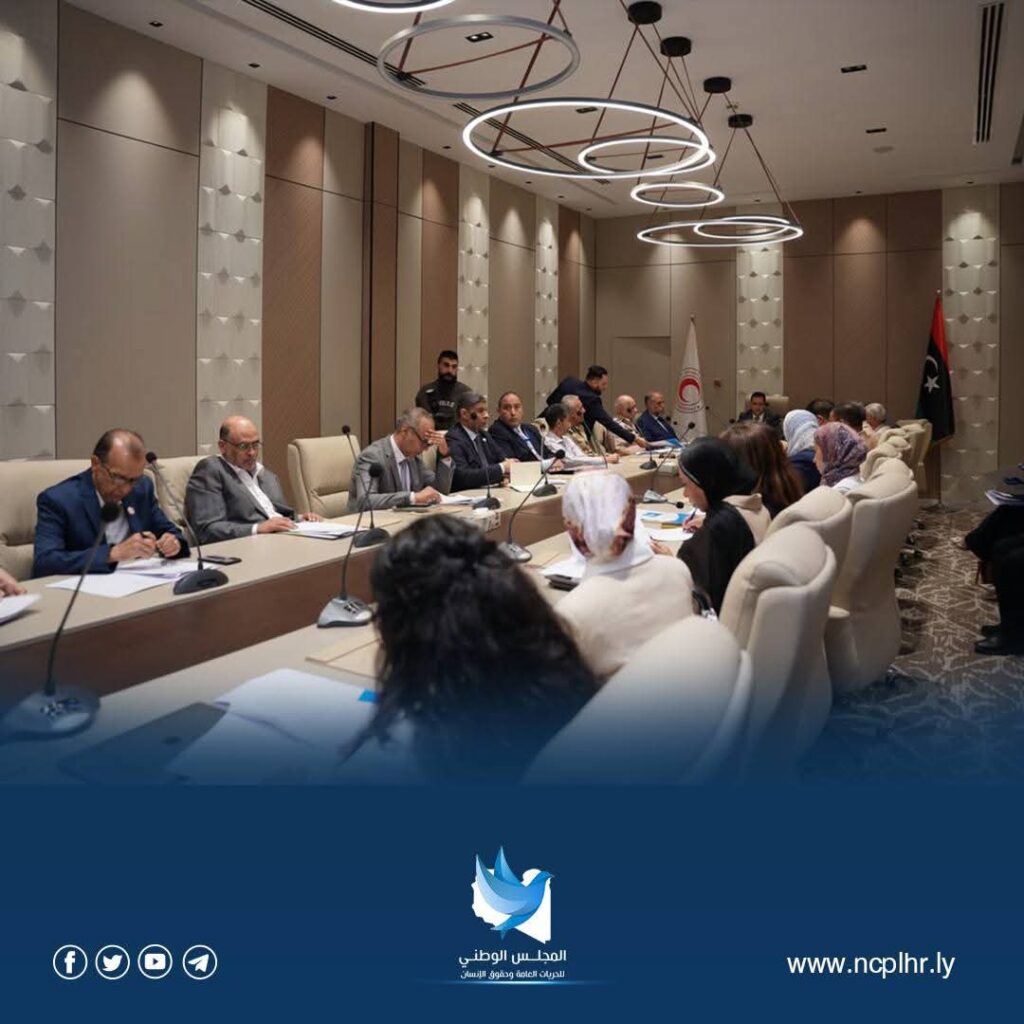
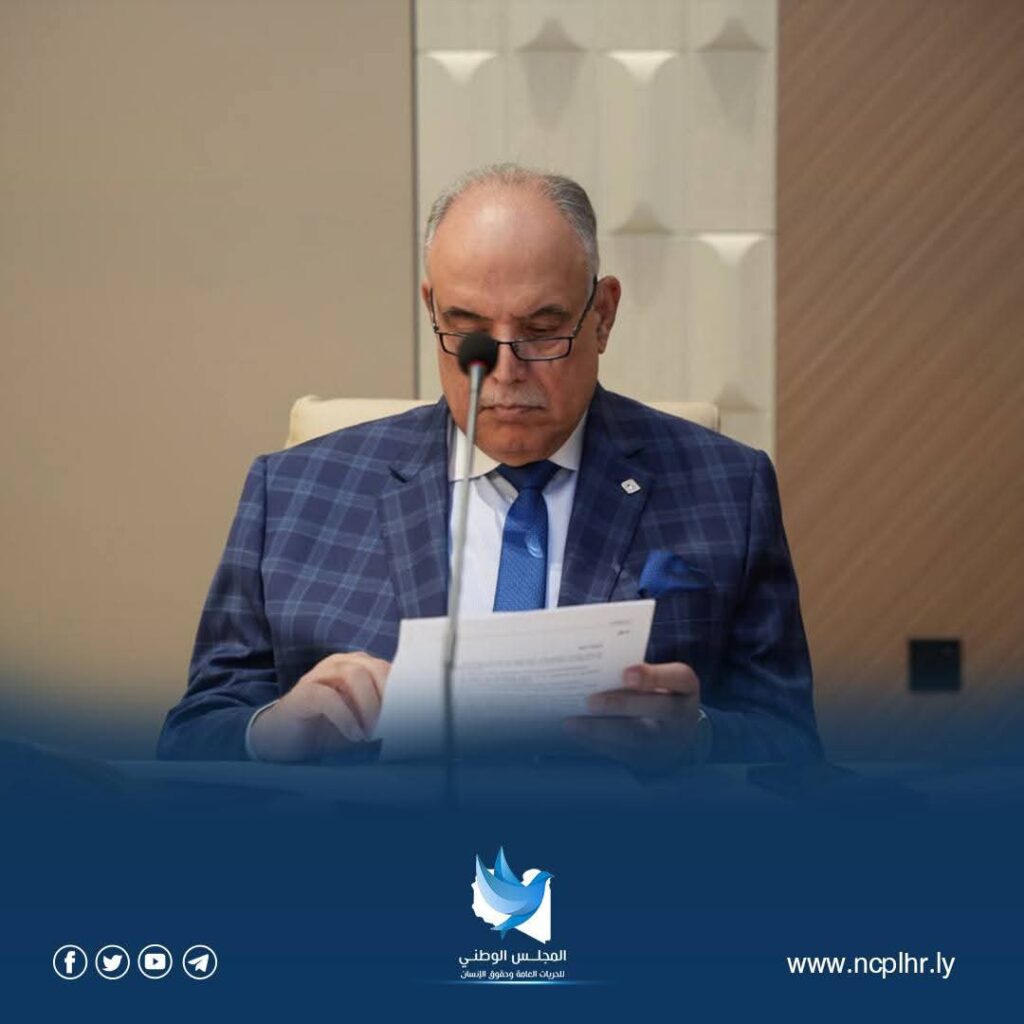
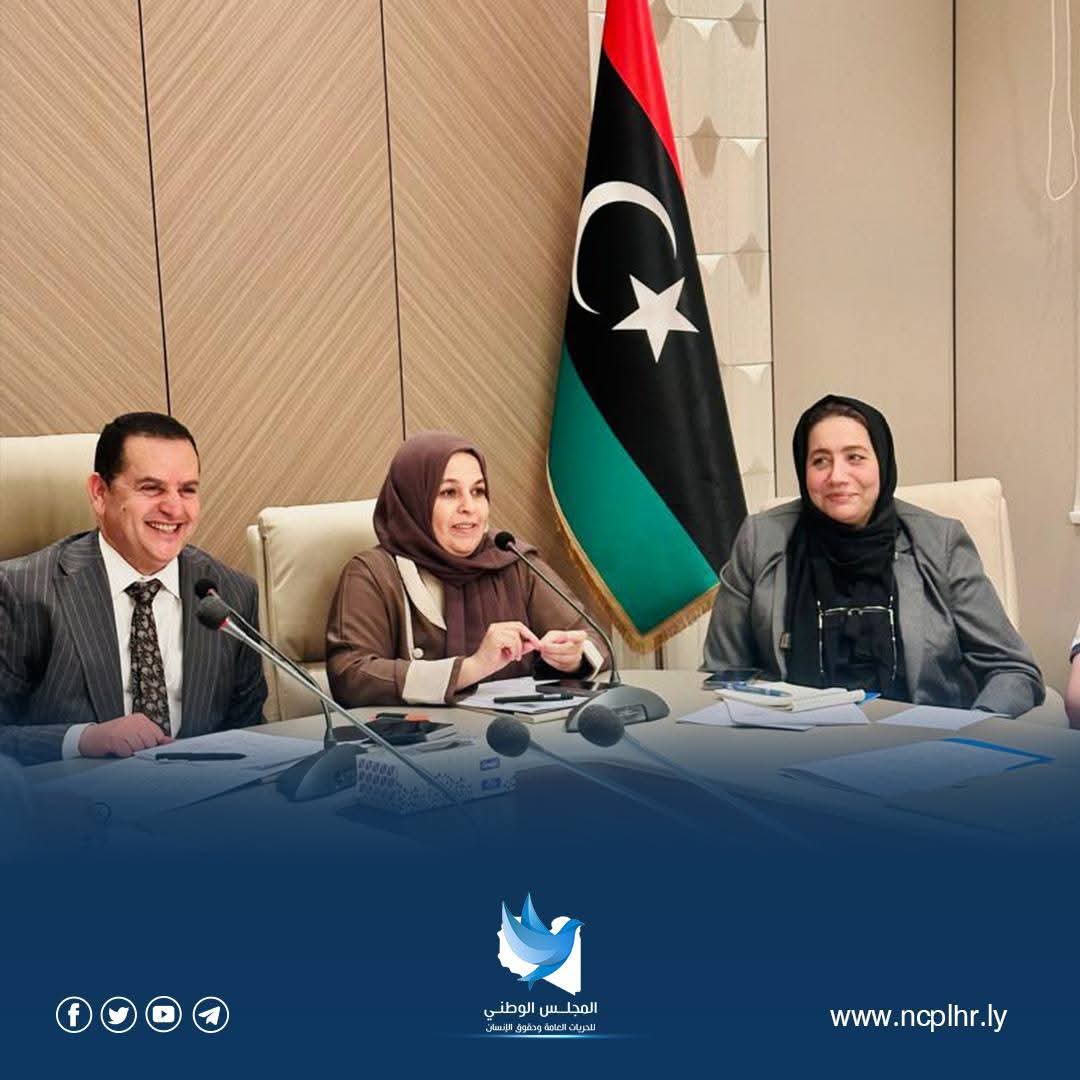
احتضنت مدينة بنغازي، صباح اليوم السبت، أعمال الورشة الوطنية لمناقشة نتائج الدورة الرابعة لآلية الاستعراض الدوري الشامل لحقوق الإنسان (UPR)، والمخصصة لاستعراض التقرير المعتمد بشأن ليبيا (الوثيقة A/HRC/61/17)، وذلك بمقر الهلال الأحمر الليبي، بمشاركة واسعة من ممثلي الجهات الحكومية، والمؤسسات الوطنية، والخبراء القانونيين والحقوقيين، إلى جانب عدد من الخبراء الدوليين ومنظمات المجتمع المدني ، وتأتي هذه الورشة في إطار دعم الجهود الوطنية الرامية إلى متابعة تنفيذ التوصيات الصادرة عن مجلس حقوق الإنسان، وتعزيز مواءمة التشريعات والسياسات الوطنية مع التزامات ليبيا الدولية في مجال حقوق الإنسان، بما يرسخ مبادئ الحوكمة الرشيدة وسيادة القانون.
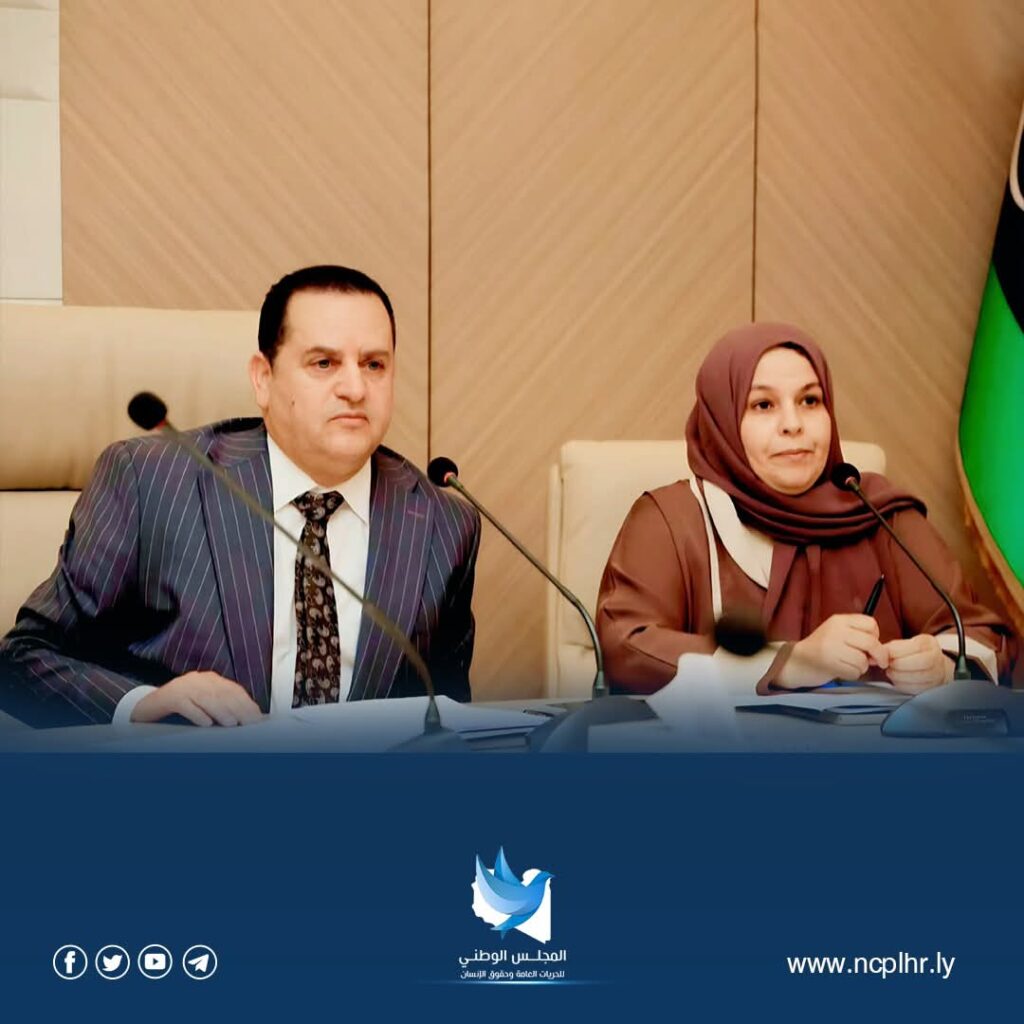
واستُهلت أعمال الورشة بكلمة ألقتها السيدة نعيمة بالقاسم العريبي، نائب رئيس المجلس الوطني للحريات وحقوق الإنسان، رحبت فيها بالمشاركين، مؤكدة أن آلية الاستعراض الدوري الشامل تمثل إحدى أهم الآليات الأممية القائمة على الحوار والتعاون بين الدول، وتشكل فرصة وطنية لتقييم التقدم المحرز في مجال حماية وتعزيز حقوق الإنسان، وتطوير السياسات العامة على أساس التوصيات المقبولة وأفضل الممارسات الدولية.
من جانبه، أكد معالي وزير الخارجية والتعاون الدولي بالحكومة الليبية، الدكتور عبد الهادي الحويج، في كلمته الافتتاحية، أن مسار الاستعراض الدوري الشامل لا ينبغي النظر إليه باعتباره مجرد التزام دولي، بل يمثل مساراً وطنياً وسيادياً يهدف إلى تطوير منظومة حقوق الإنسان وتعزيز أداء مؤسسات الدولة. وشدد على أهمية توحيد الجهود الوطنية، واعتماد آلية مؤسسية دائمة وخطة استراتيجية واضحة لمتابعة تنفيذ التوصيات، بما يكفل إعداد تقارير وطنية تستند إلى مؤشرات موضوعية وتعكس بصورة دقيقة ما تحقق من تقدم في الوفاء بالالتزامات الدولية، مؤكداً أن تعزيز حقوق الإنسان يمثل أحد المرتكزات الأساسية للدبلوماسية الليبية.
وعقب الجلسة الافتتاحية، ترأس المستشار إدريس علي الغزالي الجلسات الفنية للورشة، حيث قدم الأستاذ داود العقوري عرضاً تعريفياً حول المجلس الوطني للحريات وحقوق الإنسان، استعرض خلاله الإطار القانوني المنظم لعمل المجلس واختصاصاته ودوره في تعزيز وحماية حقوق الإنسان، وفقاً للمعايير الوطنية والدولية ذات الصلة.
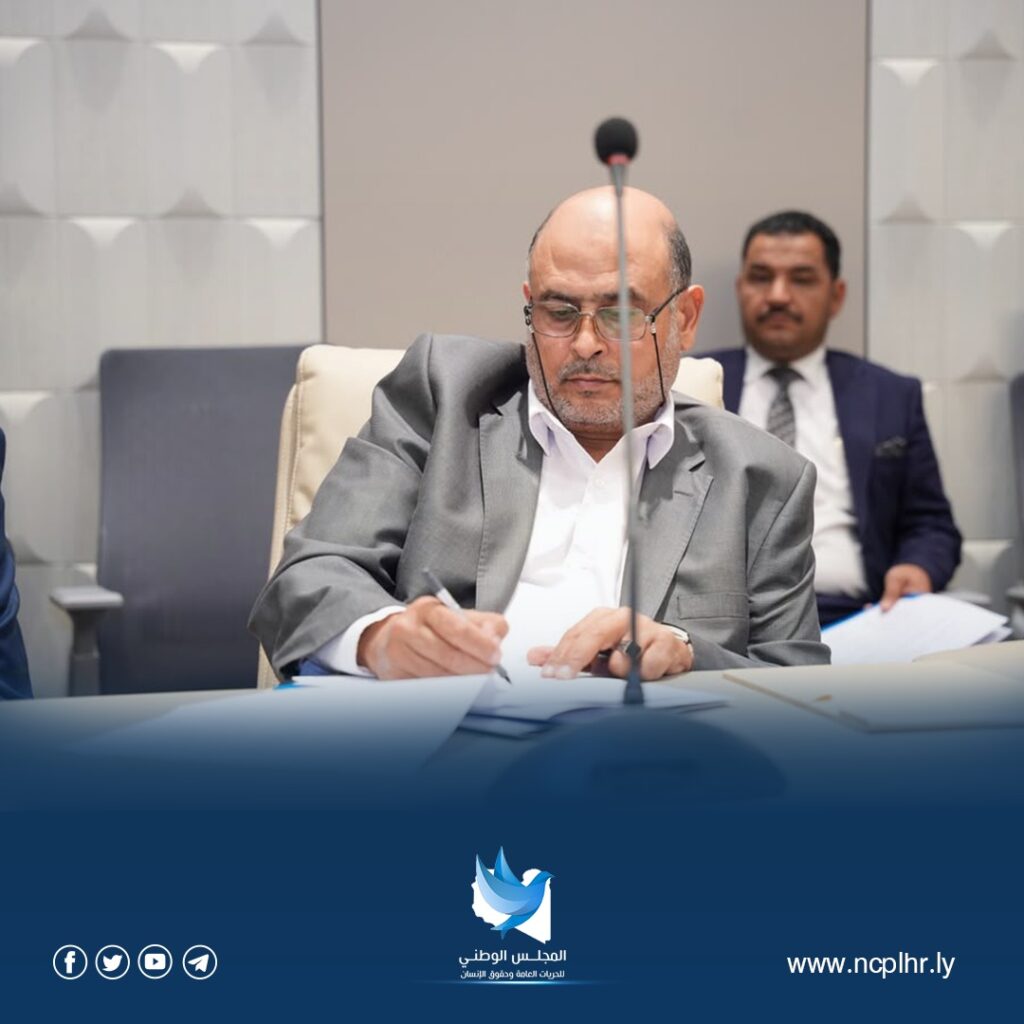
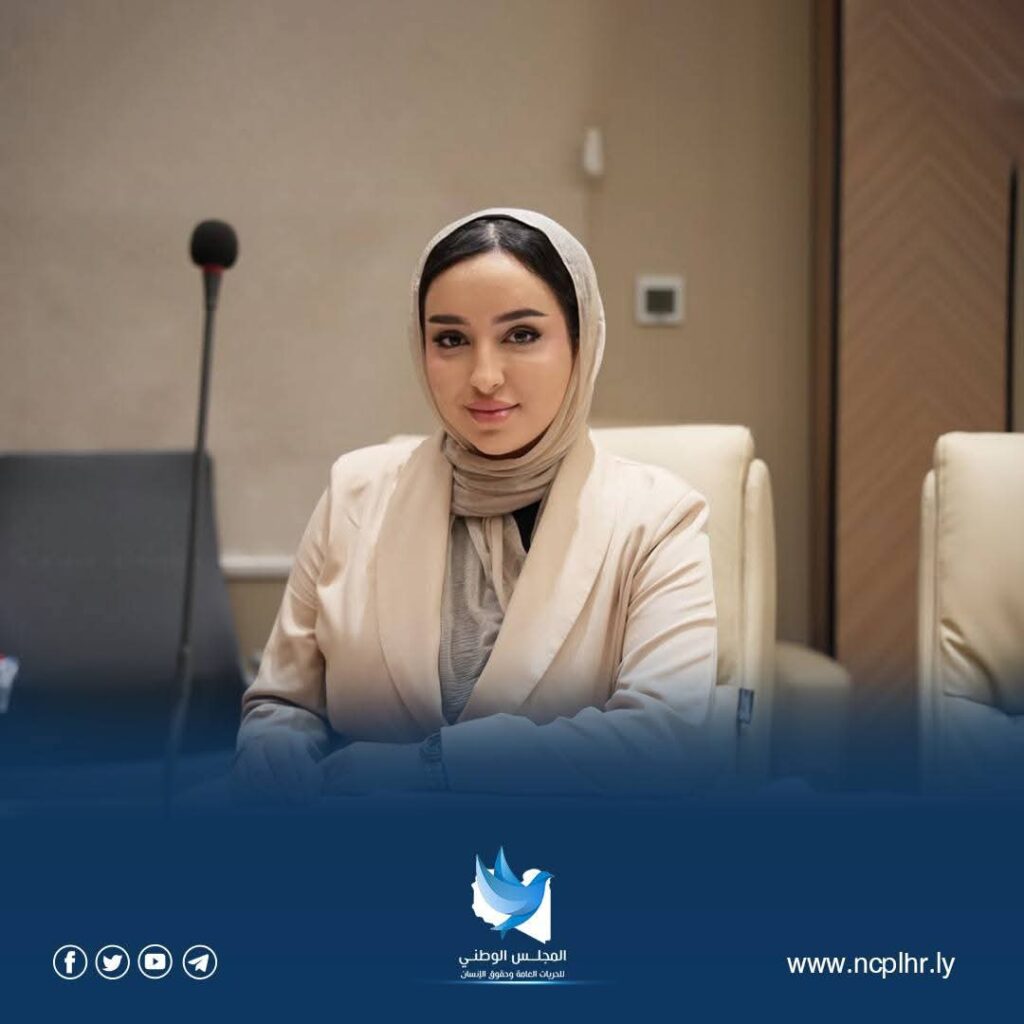
كما تضمنت أعمال الورشة عدداً من العروض التخصصية التي قدمها خبراء وطنيون ودوليون، تناولت الإطار المفاهيمي والقانوني لآلية الاستعراض الدوري الشامل، وقراءة تحليلية للتوصيات الموجهة إلى ليبيا خلال الدورة الرابعة، مع استعراض أفضل الممارسات المتعلقة بمتابعة تنفيذ التوصيات، وآليات إعداد التقارير الوطنية، وتعزيز مشاركة المؤسسات الوطنية والمجتمع المدني في هذه العملية.
وشهدت الورشة جلسة نقاشية موسعة، أدارها الأستاذ إدريس علي الغزالي، بمشاركة ممثلي الوزارات والجهات الحكومية ذات العلاقة، والخبراء القانونيين، ومؤسسات المجتمع المدني، حيث جرى تبادل الرؤى حول الأولويات الوطنية لتنفيذ التوصيات، والتحديات القائمة، والسبل الكفيلة بتعزيز التنسيق المؤسسي، بما يسهم في بناء إطار وطني متكامل لمتابعة تنفيذ مخرجات الاستعراض الدوري الشامل.
واختتمت أعمال الورشة بجملة من التوصيات التي أكدت أهمية إعداد خطة وطنية شاملة لتنفيذ التوصيات المقبولة، وتعزيز التنسيق بين المؤسسات الوطنية، وتطوير آليات الرصد والمتابعة والتقييم، بما يضمن استدامة الجهود الوطنية في مجال حماية وتعزيز حقوق الإنسان، ويعزز من وفاء ليبيا بالتزاماتها الدولية أمام مجلس حقوق الإنسان.
وتعكس هذه الورشة التزام المؤسسات الوطنية الليبية بتعزيز الحوار المؤسسي والتعاون البناء مع مختلف الشركاء الوطنيين والدوليين، بما يدعم مسار الإصلاح الحقوقي، ويؤكد أن احترام حقوق الإنسان وسيادة القانون يشكلان ركيزة أساسية لتحقيق التنمية المستدامة وترسيخ دولة القانون والمؤسسات .
Benghazi Hosts National Workshop to Discuss the Outcomes of the Universal Periodic Review: Reaffirming Libya’s National Commitment to Human Rights and International Obligations
Benghazi | 27 June 2026
The city of Benghazi hosted, on Saturday morning, a national workshop dedicated to discussing the outcomes of the fourth cycle of the Universal Periodic Review (UPR) of Human Rights, focusing on the adopted report on Libya (Document A/HRC/61/17). The workshop was held at the headquarters of the Libyan Red Crescent and brought together a broad range of participants, including representatives of government institutions, national bodies, legal and human rights experts, international specialists, and civil society organizations.
The workshop was organized as part of ongoing national efforts to follow up on the implementation of the recommendations issued by the Human Rights Council and to strengthen the alignment of Libya’s legislation and public policies with its international human rights obligations, thereby reinforcing the principles of good governance and the rule of law.
The event commenced with opening remarks delivered by Ms. Naima Belqasem Al-Aribi, Deputy Chairperson of the National Council for Liberties and Human Rights, who welcomed the participants and emphasized that the Universal Periodic Review is one of the United Nations’ most significant mechanisms based on dialogue and cooperation among States. She described it as an important national opportunity to assess progress in the protection and promotion of human rights and to improve public policies in light of accepted recommendations and international best practices.
In his keynote address, H.E. Dr. Abdulhadi Al-Hwaij, Minister of Foreign Affairs and International Cooperation of the Libyan Government, stressed that the Universal Periodic Review should not be viewed merely as an international obligation, but rather as a national and sovereign process aimed at strengthening Libya’s human rights framework and enhancing the performance of State institutions. He underscored the importance of consolidating national efforts through the establishment of a permanent institutional mechanism and a clear strategic plan for implementing the UPR recommendations. Such an approach, he noted, would ensure the preparation of national reports based on objective indicators and accurately reflect Libya’s progress in fulfilling its international commitments. He further affirmed that the promotion of human rights constitutes one of the fundamental pillars of Libyan diplomacy.
Following the opening session, the technical sessions were chaired by Counsellor Idris Ali Al-Ghazali. During these sessions, Mr. Dawood Al-Agouri delivered a presentation introducing the National Council for Liberties and Human Rights, outlining its legal mandate, institutional framework, competencies, and role in promoting and protecting human rights in accordance with relevant national legislation and international standards.
The workshop also featured a series of specialized presentations delivered by national and international experts, covering the conceptual and legal framework of the Universal Periodic Review mechanism, an analytical review of the recommendations addressed to Libya during the fourth UPR cycle, best practices for monitoring implementation, national reporting procedures, and mechanisms for enhancing the participation of national institutions and civil society organizations throughout the implementation process.
A comprehensive panel discussion, moderated by Mr. Idris Ali Al-Ghazali, brought together representatives of relevant ministries and government agencies, legal experts, and civil society organizations. Participants exchanged views on national priorities for implementing the recommendations, the challenges facing the process, and practical approaches to strengthening institutional coordination in order to establish an integrated national framework for monitoring the implementation of the UPR outcomes.
The workshop concluded with a set of recommendations emphasizing the importance of developing a comprehensive national implementation plan for the accepted recommendations, enhancing coordination among national institutions, and strengthening monitoring, follow-up, and evaluation mechanisms to ensure the sustainability of national efforts in promoting and protecting human rights and to reinforce Libya’s compliance with its international obligations before the Human Rights Council.
The workshop reflects the commitment of Libya’s national institutions to promoting constructive institutional dialogue and cooperation with national and international partners. It also reaffirms that respect for human rights and the rule of law constitutes a fundamental pillar for achieving sustainable development and consolidating a State founded on the principles of justice, the rule of law, and strong institutions.