
الأربعاء 3 يونيو 2026
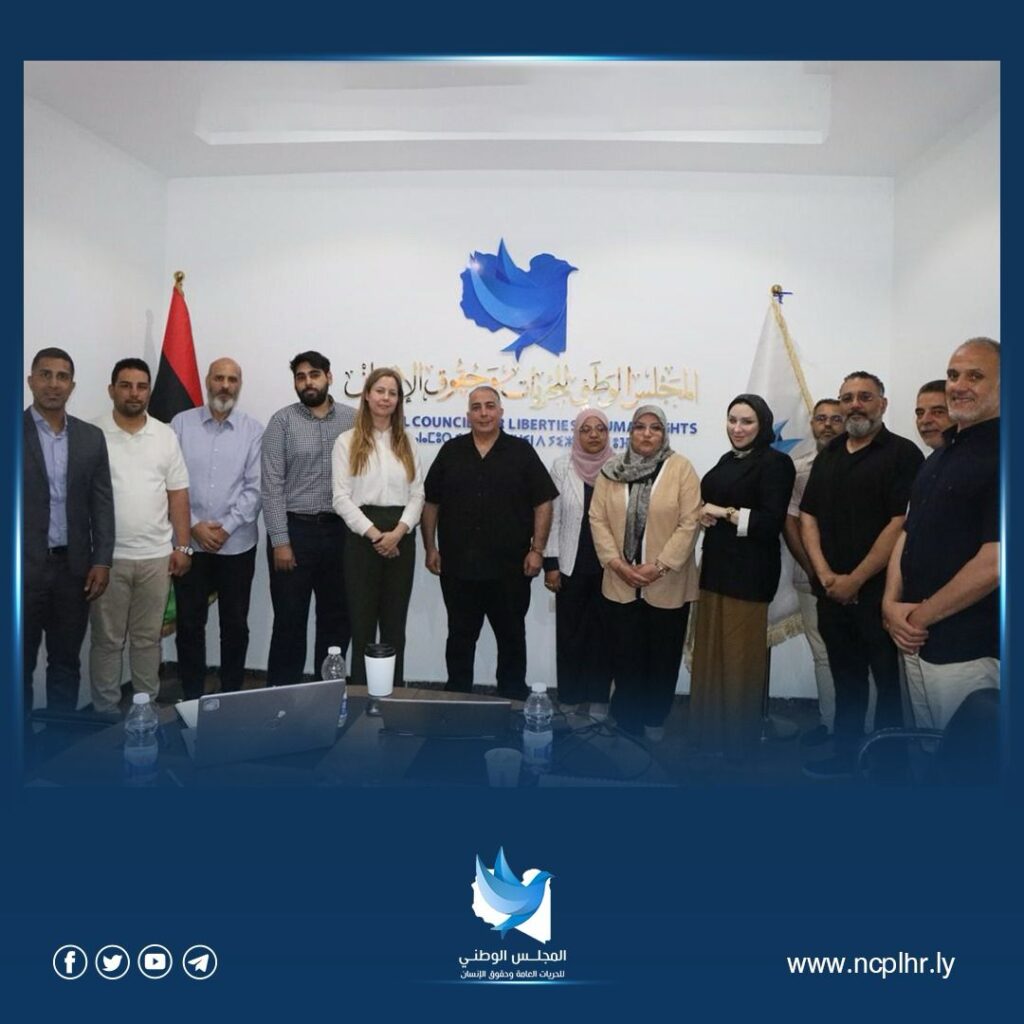
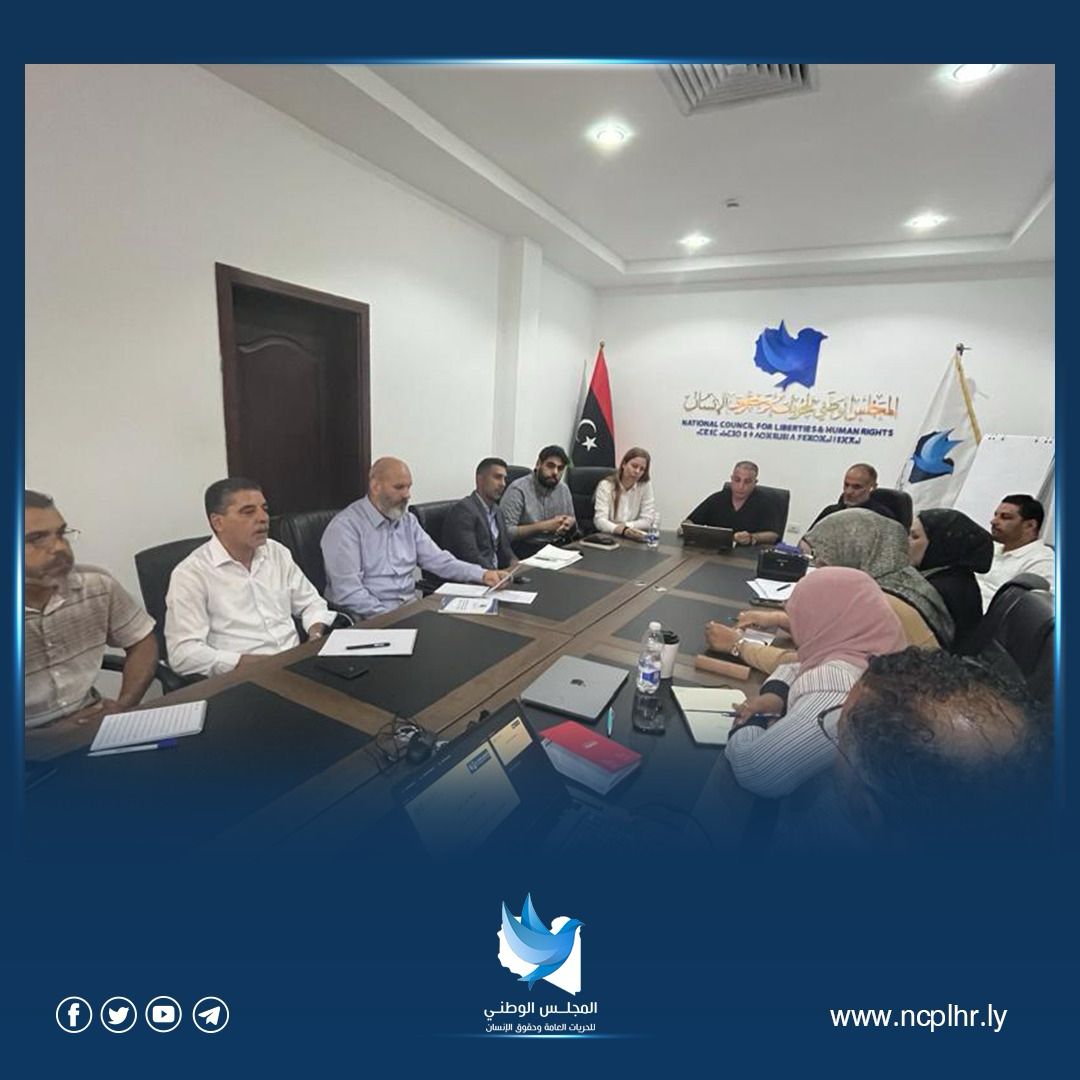
في إطار جهوده الرامية إلى تعزيز القدرات المؤسسية وتطوير آليات العمل الحقوقي وفق المعايير الدولية لحقوق الإنسان، عقد المجلس الوطني للحريات وحقوق الإنسان، صباح اليوم الأربعاء بمقر ديوان المجلس، جلسة تشاورية موسعة مع فريق خبراء مشروع «مساندة 2» الممول من الاتحاد الأوروبي والمنفذ من قبل المؤسسة الألمانية للتعاون الدولي (GIZ)، وذلك ضمن برنامج التعاون المشترك بين الجانبين في مجال بناء القدرات الفنية وتطوير الأدلة الإجرائية المتخصصة.
وشارك في أعمال الجلسة عن المؤسسة الألمانية للتعاون الدولي (GIZ) السيدة لينا فيلدشولتن، المستشارة بمجموعة GIZ ليبيا، والدكتور جلال الخراز نائب مدير المشروع، والسيد مرتضى إمامي مدير مشروع الشباب، والأستاذ أحمد ميزان منسق المشروع، والدكتور رياض برشان الخبير بالمشروع.
فيما شارك عن المجلس الوطني للحريات وحقوق الإنسان الأستاذ سالم الطيب مدير إدارة التعاون الدولي، والأستاذ محمد الأحيمر مدير مكتب إعداد التقارير، والأستاذة ابتسام الساحلي مدير إدارة متابعة أوضاع المرأة والطفل، والأستاذة فاطمة حواص مدير إدارة الشكاوى ورصد الانتهاكات، إلى جانب عدد من المختصين والخبراء الحقوقيين من الإدارات الفنية ذات العلاقة.
وخُصصت الجلسة لاستعراض وتقييم مسار التعاون القائم بين المجلس ومشروع «مساندة 2»، ومراجعة مخرجات الأنشطة المنفذة خلال الفترة الماضية، والتي شملت إعداد وتطوير عدد من الأدلة الإجرائية المتخصصة الهادفة إلى تعزيز كفاءة الأداء المؤسسي ورفع مستوى الامتثال للمعايير والمبادئ الدولية ذات الصلة بحماية وتعزيز حقوق الإنسان.
كما قدم المجلس رؤيته بشأن أولويات التعاون والأنشطة المزمع تنفيذها خلال النصف الثاني من عام 2026، حيث جرى الاتفاق على اعتماد وتنفيذ عدد من البرامج والأنشطة الفنية الرامية إلى دعم القدرات الوطنية في مجالات الرصد والتوثيق وإعداد التقارير الحقوقية وميكانيكية العمل الحقوقي وتنفيذ برامج وأنشطة توعوية في مجالات حقوق الإنسان .
وشهدت الجلسة تقديم عرض فني حول مشروع الدليل الإجرائي المتكامل لإعداد التقارير الحقوقية، والذي يهدف إلى إرساء منهجية مؤسسية موحدة لعمليات جمع المعلومات وتحليلها وتوثيقها وصياغة التقارير الحقوقية وفق نهج قائم على الأدلة والمؤشرات، وبما ينسجم مع أفضل الممارسات والمعايير الدولية المعتمدة في مجال الرصد والتوثيق وإعداد التقارير الخاصة بحقوق الإنسان.
وتخللت الجلسة مناقشات فنية موسعة حول الهيكل العام للدليل ومضامينه الإجرائية، أسفرت عن التوافق على الصيغة الأولية لمحتواه، تمهيداً للشروع في إعداد الدليل وكتابته أبتداء من الأسبوع المقبل، على أن يعقب ذلك تنظيم برنامج تدريبي متخصص يستهدف بناء قدرات الكوادر الحقوقية بالمجلس وعدد من المؤسسات الوطنية الشريكة، بما يسهم في تعزيز جودة التقارير الحقوقية ورفع كفاءتها المهنية وفق المنهجيات والمعايير الدولية ذات الصلة.
ويُذكر أن التعاون بين المجلس الوطني للحريات وحقوق الإنسان ومشروع «مساندة 2» بدأ منذ شهر أكتوبر الماضي 2025 م ، و أسفر عن إعداد دليلين إجرائيين متخصصين، تمثلا في الدليل الإجرائي لزيارات أماكن الاحتجاز والحرمان من الحرية، والدليل الإجرائي لاستقبال الشكاوى ، فيما يمثل إعداد الدليل الإجرائي للتقارير الحقوقية خطوة جديدة نحو استكمال منظومة الأدلة المؤسسية الهادفة إلى تطوير العمل الحقوقي وتعزيز فعاليته واستدامته وفق مبادئ الحوكمة الرشيدة والمعايير الدولية لحقوق الإنسان .
National Council for Civil Liberties and Human Rights Holds Consultative Session with “Musanada 2” Project Experts to Enhance Cooperation and Develop Human Rights Reporting Methodologies in Line with International Standards
Wednesday, 3 June 2026
As part of its efforts to strengthen institutional capacities and enhance human rights mechanisms in accordance with international human rights standards, the National Council for Civil Liberties and Human Rights held an extensive consultative session on Wednesday morning at its headquarters with the team of experts from the “Musanada 2” Project, funded by the European Union and implemented by the German Agency for International Cooperation (GIZ). The meeting was held within the framework of the ongoing cooperation programme between the two sides in the fields of capacity building, technical support, and the development of specialized procedural manuals.
Representing the German Agency for International Cooperation (GIZ) were Ms. Lena Veldscholten, Advisor at GIZ Libya Cluster; Dr. Jalal Al-Kharraz, Deputy Project Director; Mr. Mortada Emami, Youth Project Manager; Mr. Ahmed Mizan, Project Coordinator; and Dr. Riyad Barshan, Project Expert.
Representing the National Council for Civil Liberties and Human Rights were Mr. Salem Al-Tayeb, Director of the International Cooperation Department; Mr. Mohammed Al-Ahimer, Director of the Reporting Office; Ms. Ibtisam Al-Sahli, Director of the Department for Monitoring the Situation of Women and Children; Ms. Fatima Hawas, Director of the Complaints and Violations Monitoring Department; Lieutenant Colonel Mohammed Al-Darhobi, representative of the Human Rights Office at the Ministry of Interior; in addition to a number of specialists and human rights experts from the Council’s relevant technical departments.
The session was dedicated to reviewing and assessing the progress of the existing cooperation between the Council and the “Musanada 2” Project, as well as evaluating the outcomes of activities implemented during the previous period. These activities included the development of a number of specialized procedural manuals aimed at enhancing institutional performance and strengthening compliance with international human rights principles and standards.
The Council also presented its vision regarding cooperation priorities and activities planned for the second half of 2026. The participants agreed to adopt and implement several technical programmes and initiatives designed to strengthen national capacities in the areas of human rights monitoring, documentation, reporting methodologies, and awareness-raising activities related to human rights.
The session further included a technical presentation on the Integrated Procedural Manual for Human Rights Reporting, which aims to establish a unified institutional methodology for collecting, analysing, documenting, and reporting information based on evidence and indicators, in line with international best practices and recognized standards in the field of human rights monitoring, documentation, and reporting.
The meeting featured extensive technical discussions on the overall structure and procedural content of the manual, resulting in consensus on its preliminary framework. The drafting process is scheduled to commence next week, followed by the organization of a specialized training programme targeting human rights professionals within the Council and a number of partner national institutions. The programme is intended to enhance the quality and professionalism of human rights reporting in accordance with relevant international methodologies and standards.
It is worth noting that cooperation between the National Council for Civil Liberties and Human Rights and the “Musanada 2” Project began in October 2025 and has already resulted in the development of two specialized procedural manuals: the Procedural Manual for Visits to Places of Detention and Deprivation of Liberty, and the Procedural Manual for Receiving Complaints. The preparation of the Human Rights Reporting Procedural Manual represents a further step toward completing an integrated institutional framework of procedural guides aimed at strengthening, modernizing, and ensuring the sustainability of human rights work in accordance with the principles of good governance and international human rights standards.