

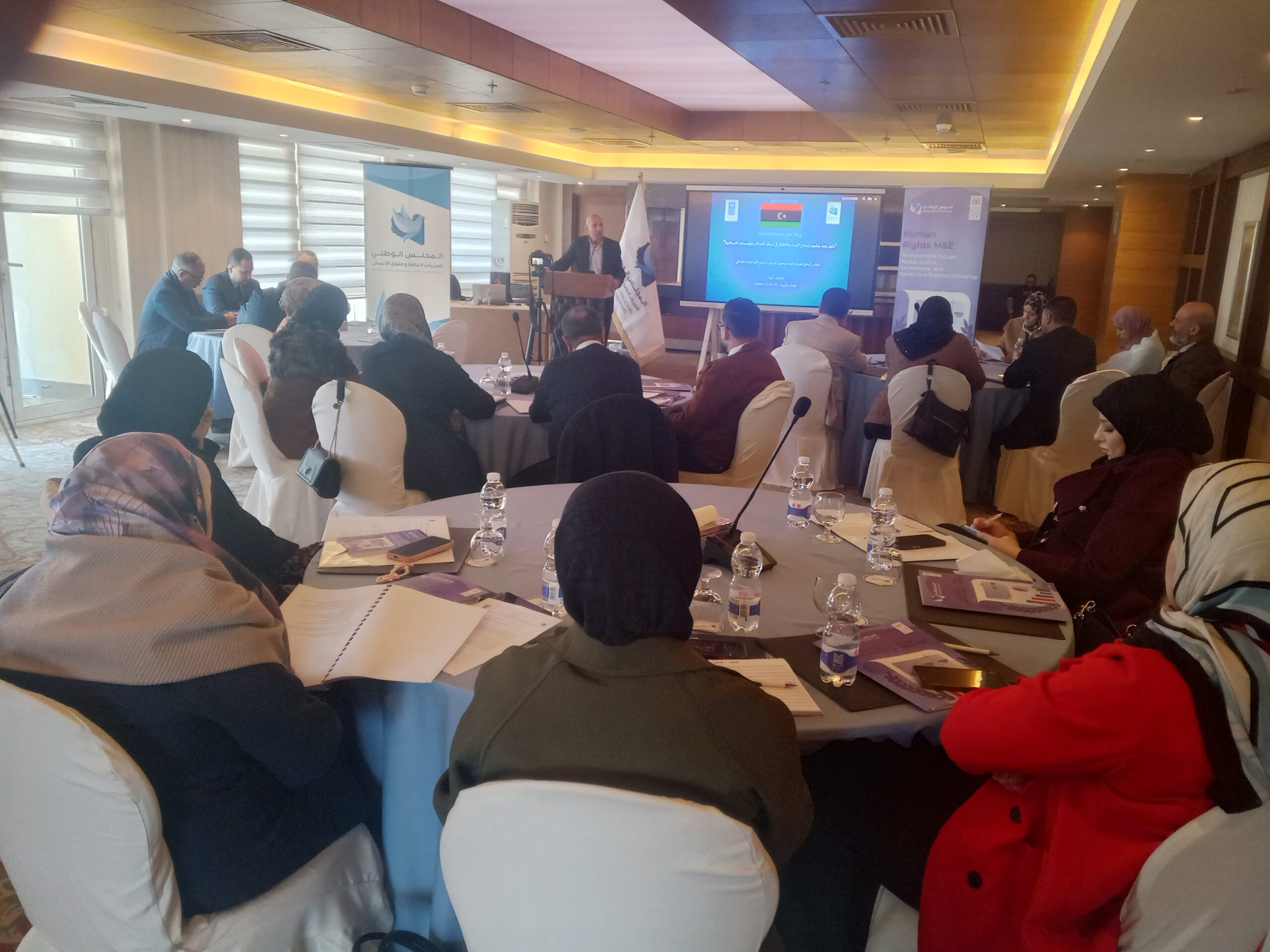
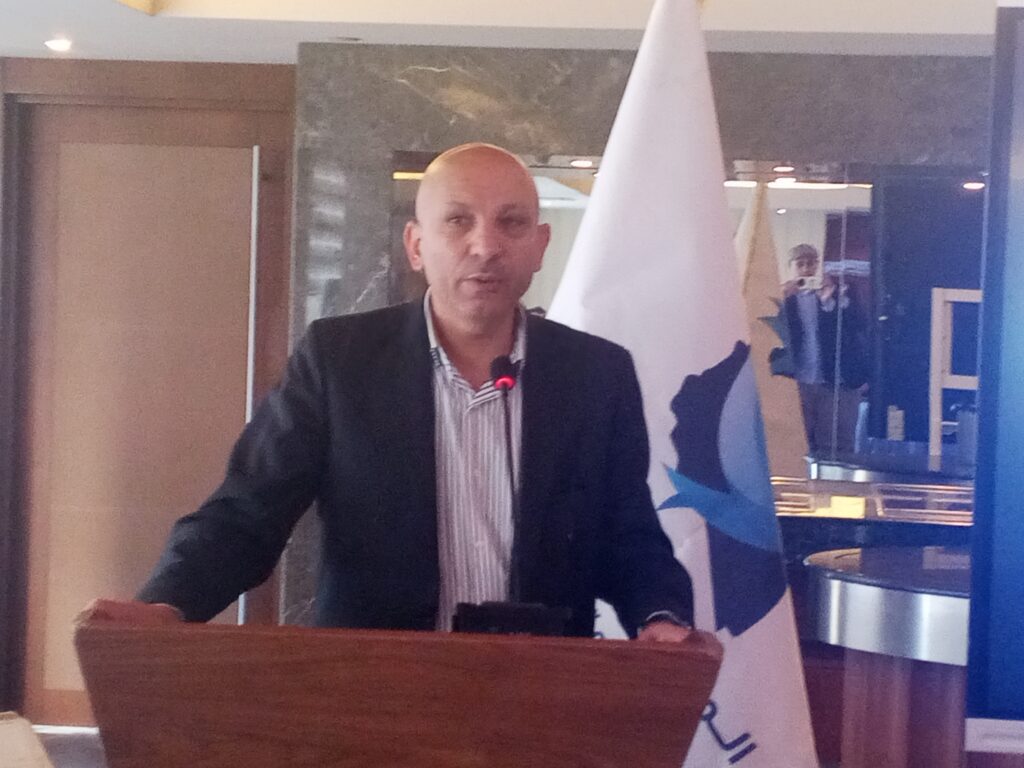
في إطار خطة عمل المجلس الوطني للحريات وحقوق الإنسان لعام 2026م، وبشراكة فنية مع برنامج الأمم المتحدة الإنمائي (UNDP)، انطلقت صباح اليوم الثلاثاء 13 يناير 2026 بالعاصمة طرابلس، أعمال المرحلة الثالثة من برنامج اعتماد دليل رصد وتقييم أوضاع حقوق النساء والأطفال في سياق العدالة والمؤسسات الإصلاحية، وذلك ضمن جهود المجلس الرامية إلى تعزيز الحماية الحقوقية للفئات الأكثر احتياجًا للرعاية والحماية.
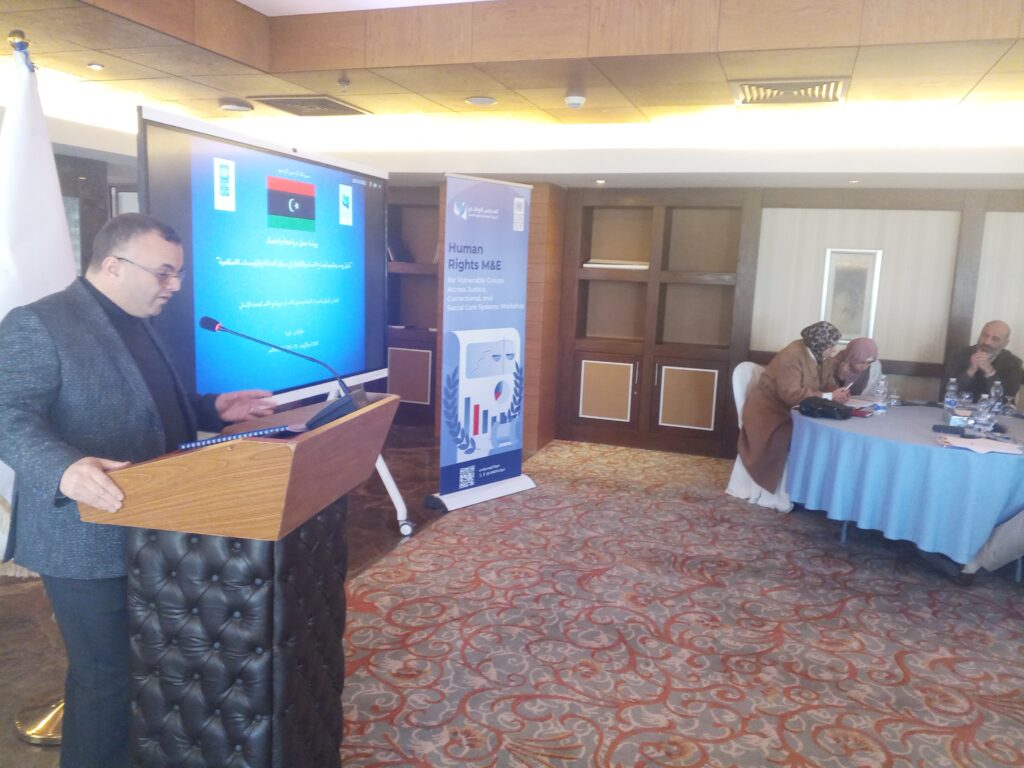
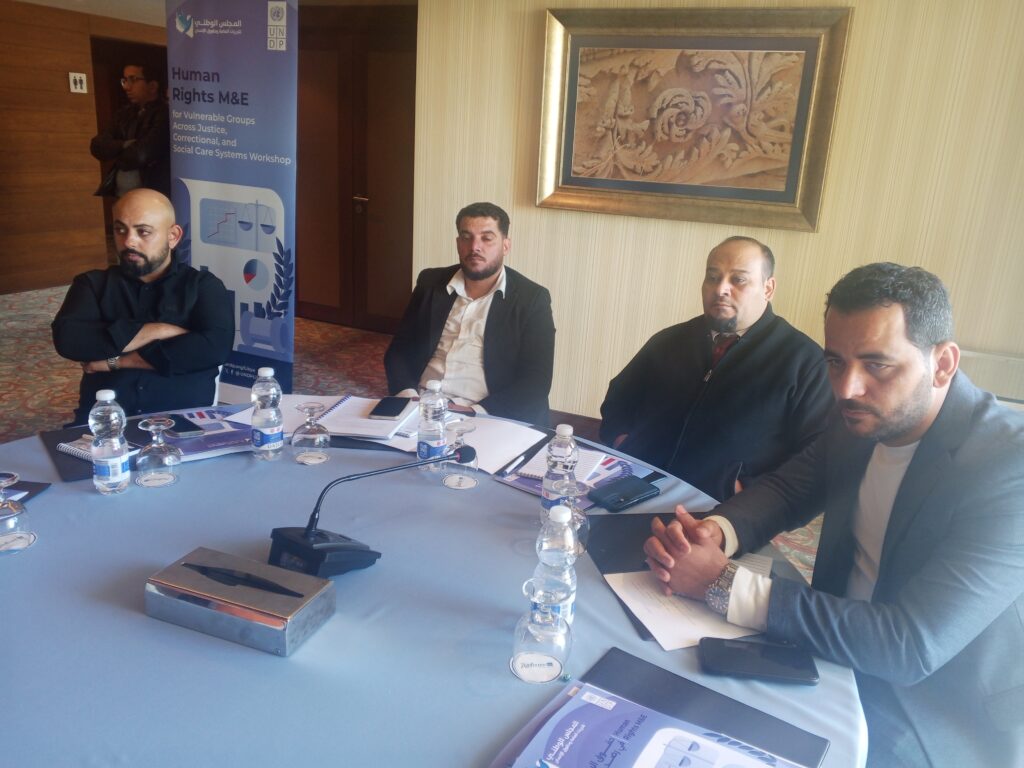
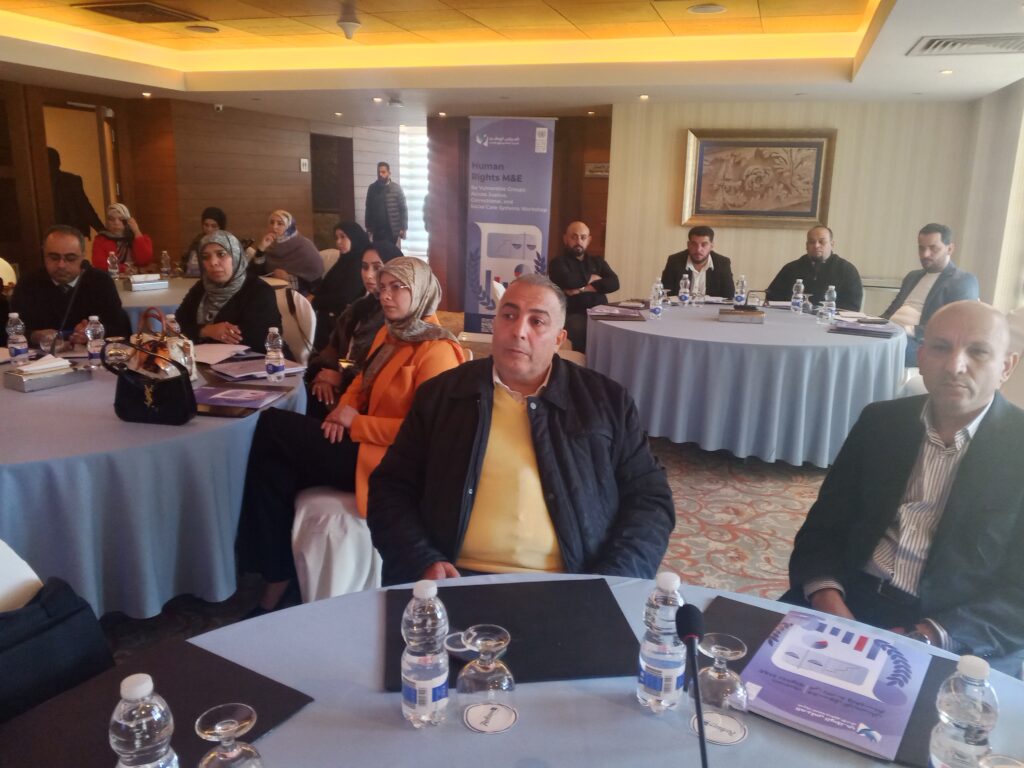
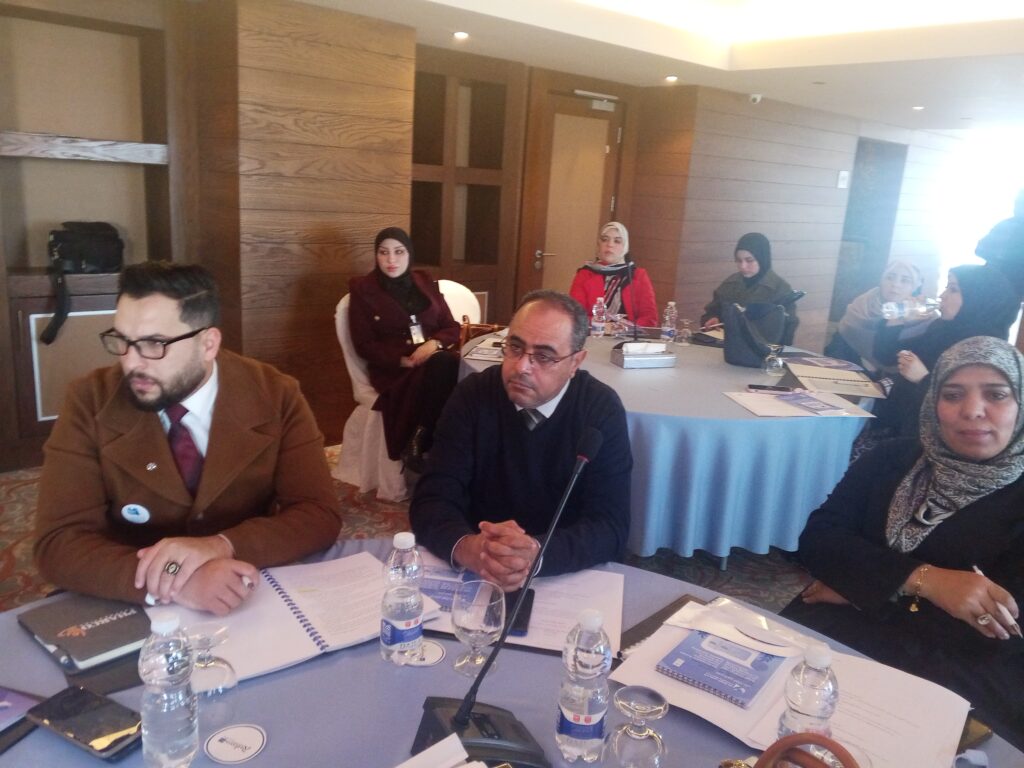
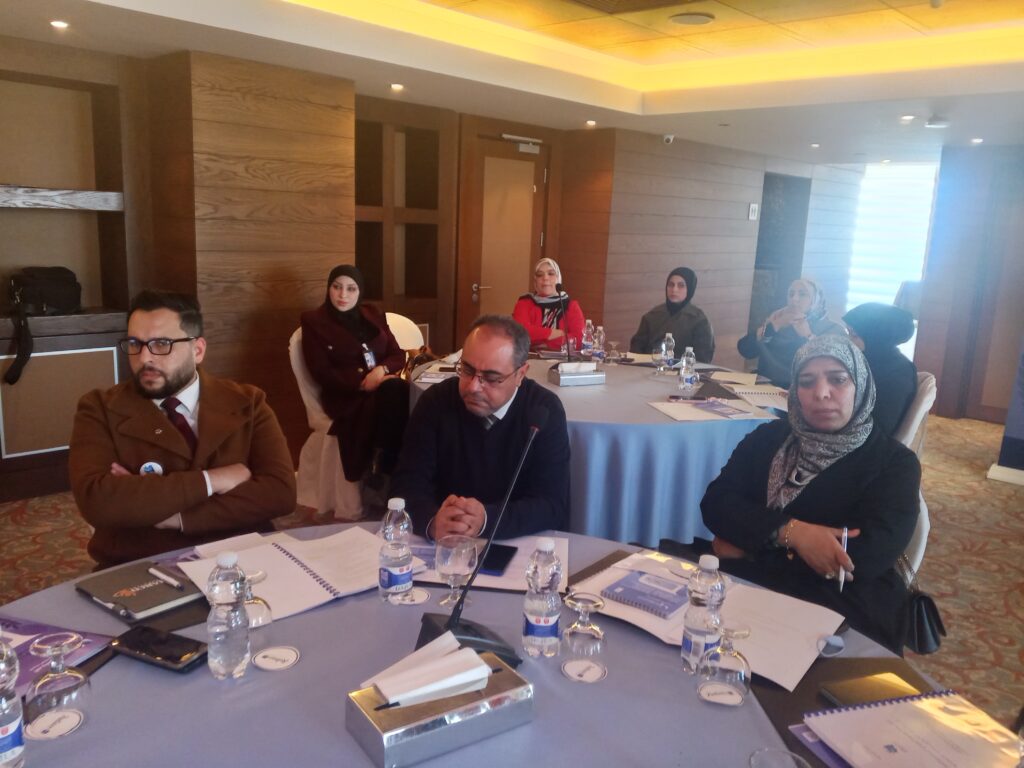
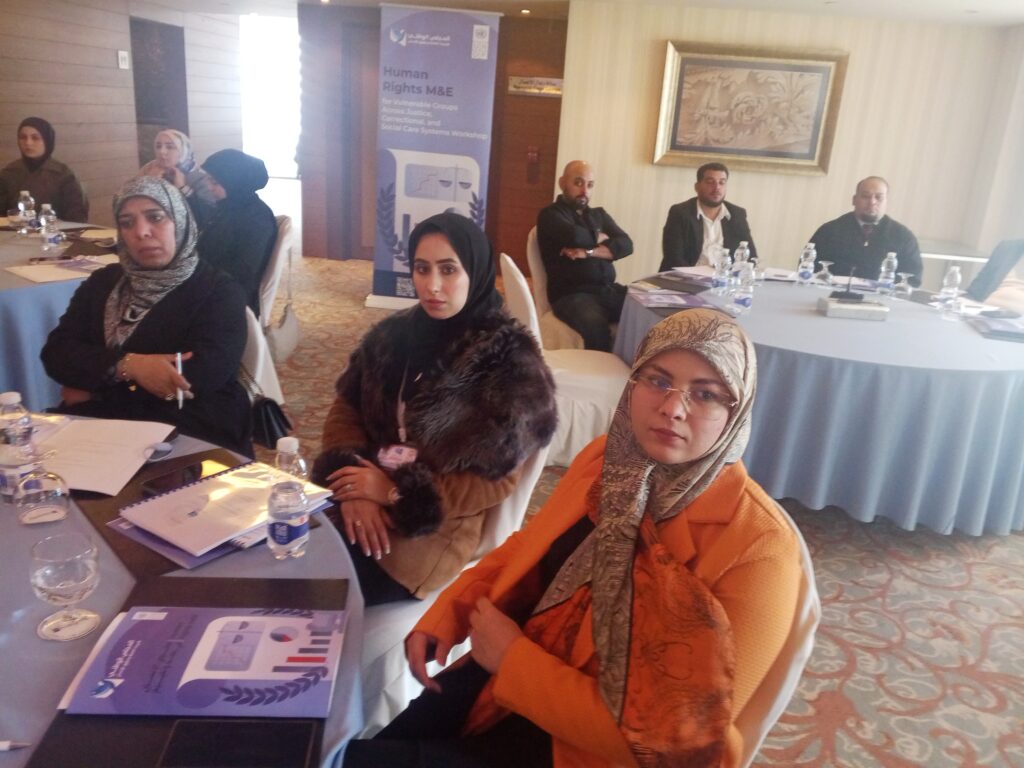
وشهدت الفعالية مشاركة أكثر من (20) متدربًا، يمثلون مناطق المجلس في الشرق والوسط والغرب والجنوب، إلى جانب عدد من الإدارات المعنية بديوان المجلس، وممثلين عن مكتب حقوق الإنسان بوزارة الداخلية، وصندوق التضامن الاجتماعي، في إطار نهج تشاركي يهدف إلى توحيد المعايير وتعزيز تكامل الأدوار المؤسسية في مجال حماية وتعزيز حقوق النساء والأطفال.
ويهدف البرنامج، الذي يستمر على مدى يومين، إلى تعزيز القدرات الوطنية في مجال رصد وتقييم أوضاع حقوق النساء والأطفال داخل منظومة العدالة والمؤسسات الإصلاحية، من خلال اعتماد منهجية حقوقية تستند إلى منظومة حقوق الإنسان الدولية، ولا سيما اتفاقية القضاء على جميع أشكال التمييز ضد المرأة (CEDAW)، واتفاقية حقوق الطفل (CRC)، والقواعد النموذجية الدنيا لمعاملة السجناء (قواعد نيلسون مانديلا)، وقواعد بانكوك الخاصة بمعاملة النساء المحتجزات، ومبادئ العدالة الإصلاحية.
كما يركز البرنامج على تطوير أدوات وطنية عملية للرصد والتقييم، وفق معايير مهنية موحدة قائمة على مبادئ الكرامة الإنسانية، وعدم التمييز، والمساءلة، وإمكانية الوصول إلى العدالة، والمشاركة الفاعلة، وبما يسهم في تحسين جودة الخدمات المقدمة داخل المؤسسات الإصلاحية، وضمان الامتثال للالتزامات الدولية، وتعزيز آليات الوقاية والحماية من العنف وسوء المعاملة.
ويهدف اعتماد هذا الدليل إلى الوصول إلى توصيات عملية وقابلة للتنفيذ تدعم صُنّاع القرار، وتسهم في إصلاح السياسات والممارسات، بما يحقق المصلحة الفضلى للنساء والأطفال، ويعزز سيادة القانون واحترام حقوق الإنسان.
ويأتي إطلاق هذه المرحلة تأكيدًا لالتزام المجلس الوطني للحريات وحقوق الإنسان بدوره الرقابي والوقائي، وتعزيزًا للشراكة مع الشركاء الوطنيين والدوليين، وفي مقدمتهم برنامج الأمم المتحدة الإنمائي، بما يسهم في ترسيخ نهج قائم على حقوق الإنسان، وضمان بيئة عدالة أكثر إنصافًا وإنسانية في ليبيا .
National Council for Civil Liberties and Human Rights Launches the Third Phase of the Program to Adopt a Monitoring and Evaluation Guide on the Rights of Women and Children in the Context of Justice and Correctional Institutions
Tripoli – Tuesday, 13 January 2026
Within the framework of the National Council for Civil Liberties and Human Rights’ 2026 Action Plan, and in technical partnership with the United Nations Development Programme (UNDP), the third phase of the program for adopting a Monitoring and Evaluation Guide on the Rights of Women and Children in the context of justice and correctional institutions was launched this morning in the capital, Tripoli. This initiative comes as part of the Council’s ongoing efforts to strengthen human rights protection for groups most in need of care and protection.
The event was attended by more than 20 trainees representing the Council’s offices in the eastern, southern, and western regions, in addition to several relevant departments of the Council’s headquarters, as well as representatives from the Human Rights Office at the Ministry of Interior and the Social Solidarity Fund. This participatory approach aims to unify standards and enhance institutional coordination in the protection and promotion of the rights of women and children.
The two-day program seeks to strengthen national capacities in monitoring and evaluating the situation of women’s and children’s rights within the justice system and correctional institutions, through the adoption of a human rights–based methodology grounded in the international human rights framework. This includes, in particular, the Convention on the Elimination of All Forms of Discrimination against Women (CEDAW), the Convention on the Rights of the Child (CRC), the United Nations Standard Minimum Rules for the Treatment of Prisoners (the Nelson Mandela Rules), the Bangkok Rules on the treatment of women prisoners, and the principles of restorative justice.
The program also focuses on developing practical national monitoring and evaluation tools based on unified professional standards, grounded in the principles of human dignity, non-discrimination, accountability, access to justice, and meaningful participation. These efforts aim to improve the quality of services provided within correctional institutions, ensure compliance with international obligations, and strengthen prevention and protection mechanisms against violence and ill-treatment.
The adoption of this guide is intended to produce practical and actionable recommendations that support decision-makers and contribute to reforming policies and practices, in a manner that serves the best interests of women and children, strengthens the rule of law, and promotes respect for human rights.
The launch of this phase reaffirms the National Council for Civil Liberties and Human Rights’ commitment to its monitoring and preventive role, and underscores the importance of partnership with national and international stakeholders—foremost among them the United Nations Development Programme—toward consolidating a human rights–based approach and ensuring a more just and humane justice environment in Libya.
للتواصل مع المجلس:
info@ncplhr.ly
X / Facebook / Instagram /YouTube :
ncplhr2011
