

المجلس يختتم، بالشراكة مع برنامج الأمم المتحدة الإنمائي، برنامج اعتماد الأدلة الإجرائية المتخصصة لرصد وتقييم أوضاع حقوق الإنسان
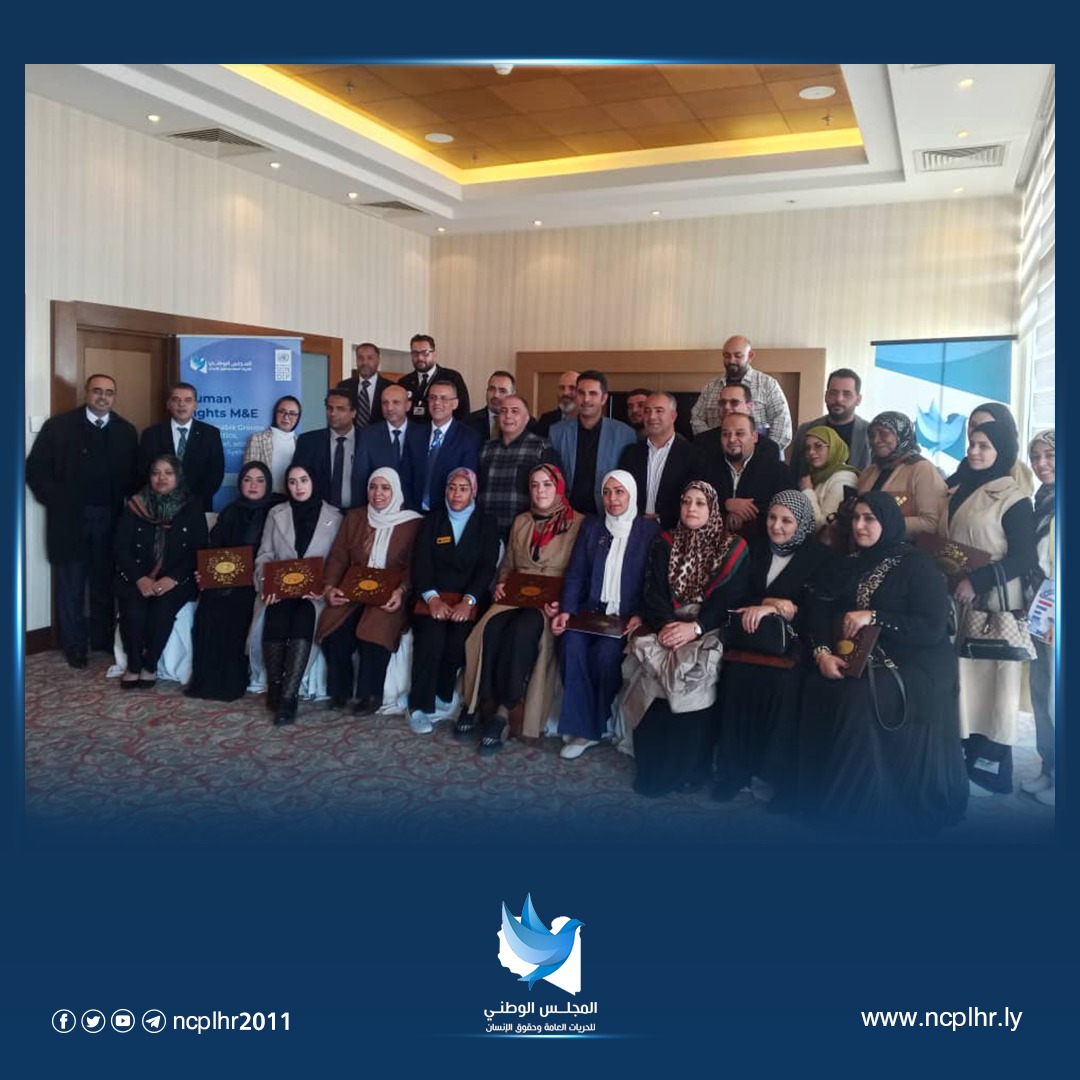
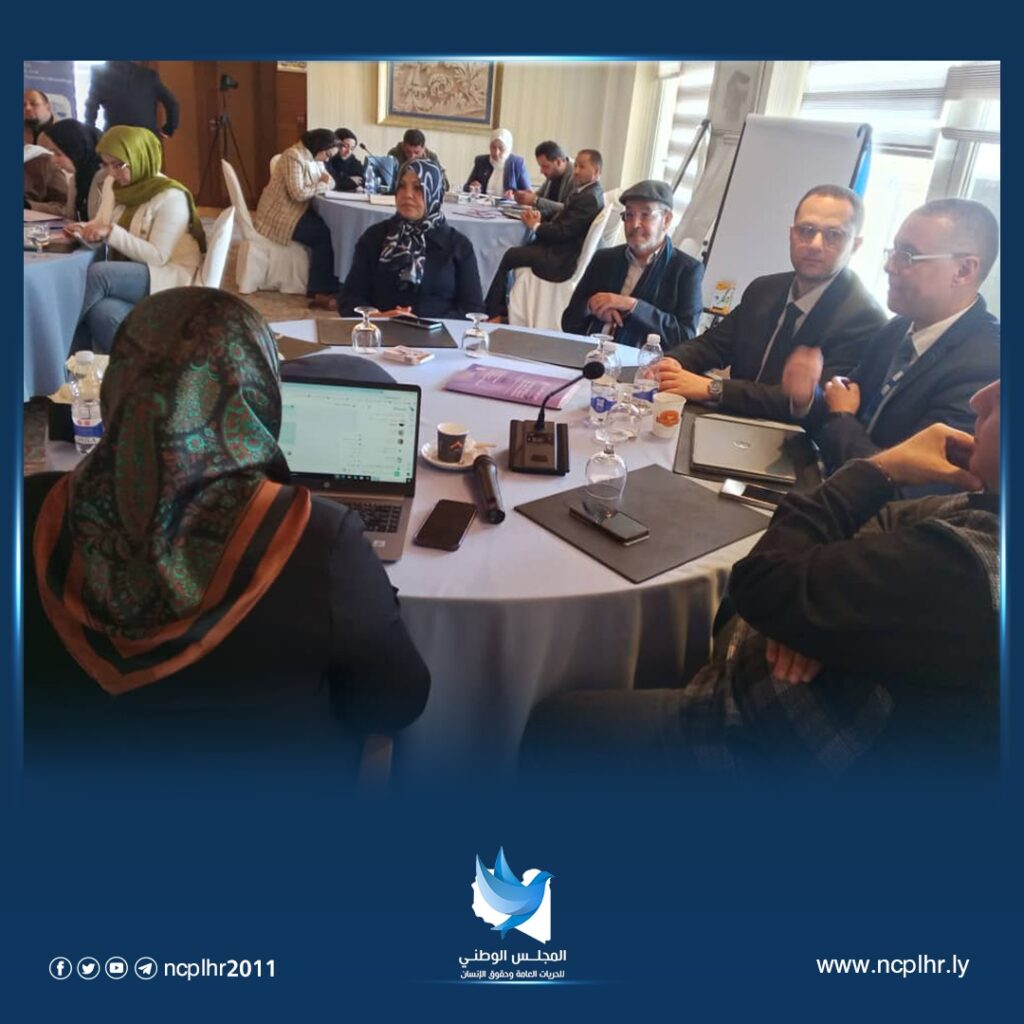
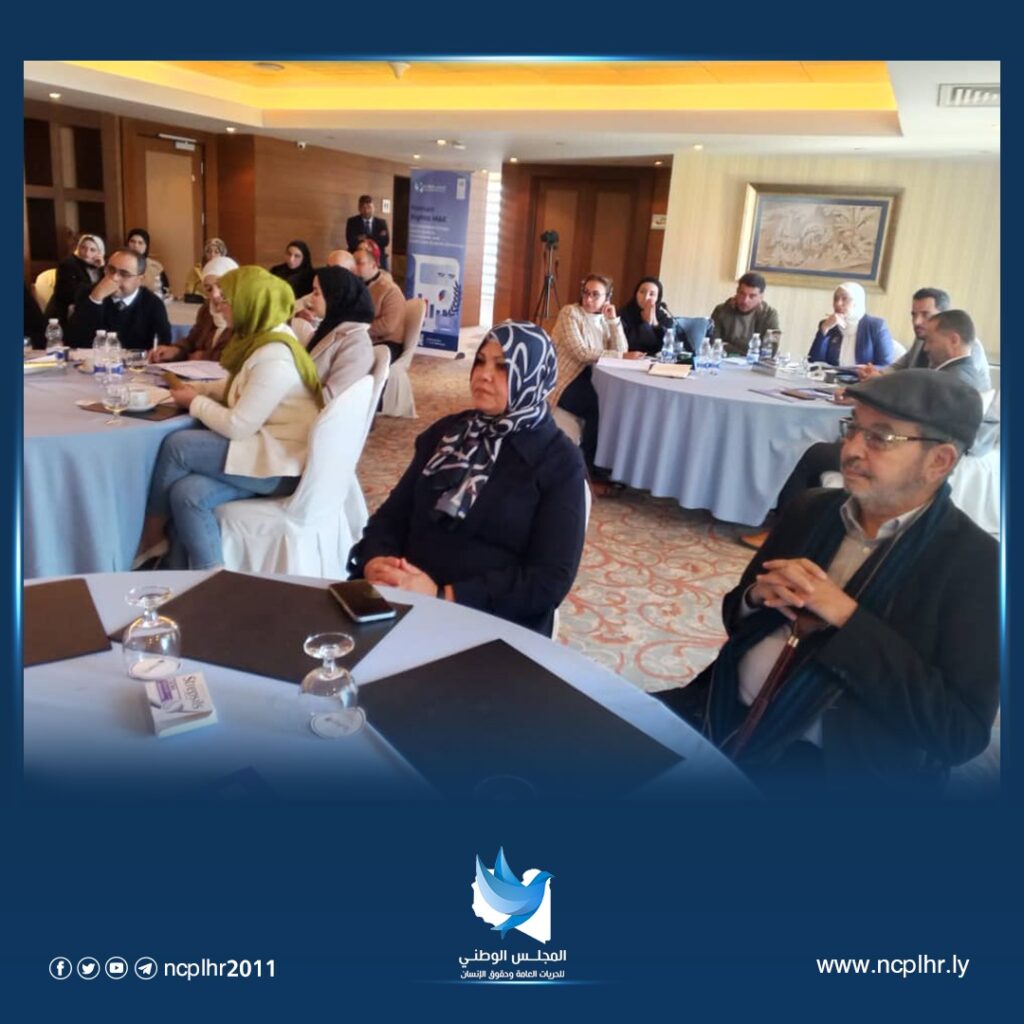
اختتم المجلس الوطني للحريات وحقوق الإنسان، مساء اليوم الأربعاء، وبالتعاون والشراكة مع برنامج الأمم المتحدة الإنمائي (UNDP)، فعاليات برنامج الدعم الفني والتقني لاعتماد حزمة من الأدلة الإجرائية المتخصصة لرصد وتقييم أوضاع حقوق الإنسان، وذلك خلال حفل رسمي أُقيم اليوم الأربعاء 14 يناير 2026 بفندق راديسون بلو (المهاري) بمدينة طرابلس ، بحضور نخبة من المسؤولين والخبراء الوطنيين والدوليين .
ويأتي هذا البرنامج في إطار تعزيز القدرات المؤسسية للمجلس، وتطوير أدوات الرصد والتوثيق والتقييم، وفق منهجية قائمة على حقوق الإنسان، وبما يتماشى مع المعايير الوطنية والاتفاقيات الدولية ذات الصلة.
وشملت حزمة الأدلة الإجرائية المعتمدة الدليل الإجرائي لرصد وتقييم أوضاع حقوق الإنسان في المؤسسات الاجتماعية ، و الدليل الإجرائي لرصد أوضاع الأشخاص ذوي الإعاقة داخل المؤسسات الإيوائية، انسجاماً مع أحكام اتفاقية حقوق الأشخاص ذوي الإعاقة ، و الدليل الإجرائي لرصد وتقييم أوضاع حقوق النساء والأطفال في سياق العدالة والمؤسسات الإصلاحية، استناداً إلى الاتفاقيات الدولية ذات الصلة التي تعتبر دولة ليبيا طرفاً فيها ، والمعايير الدولية ذات الصلة بالعدالة الجنائية.
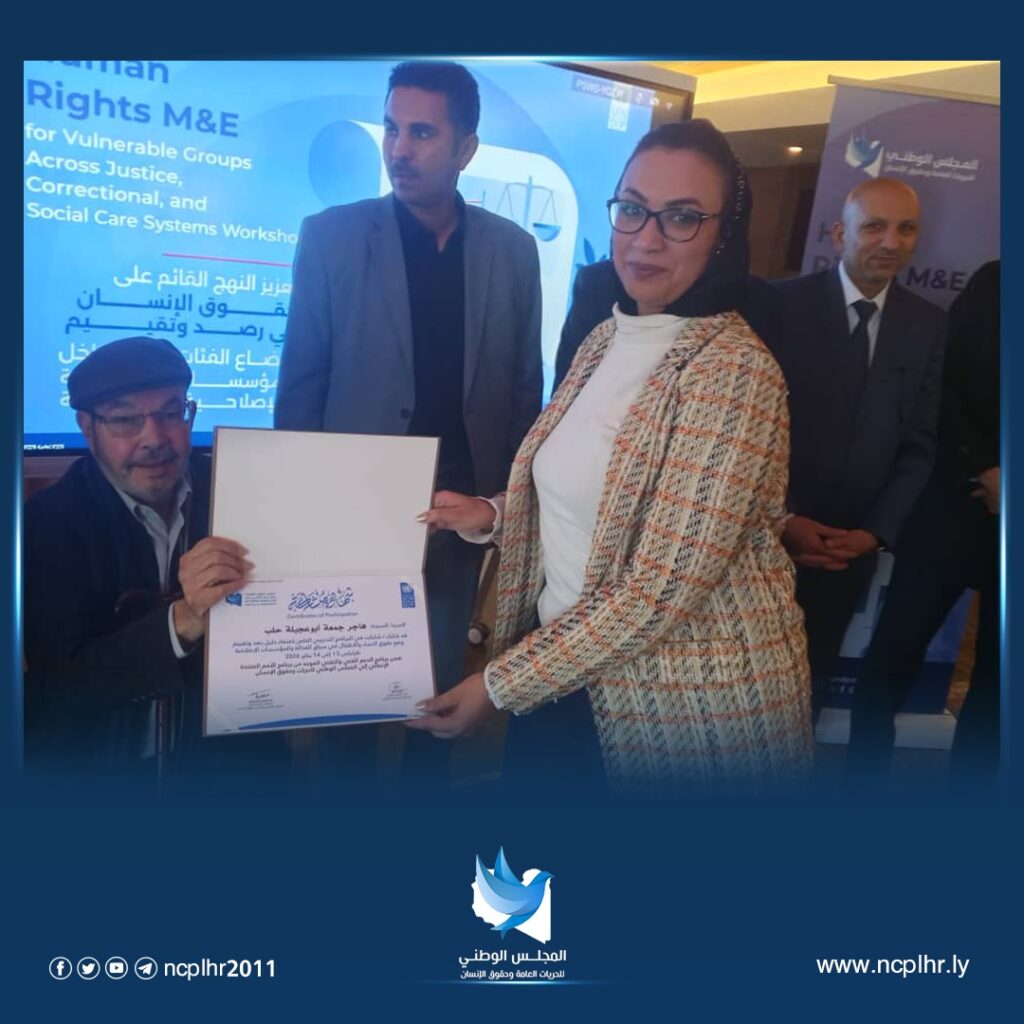
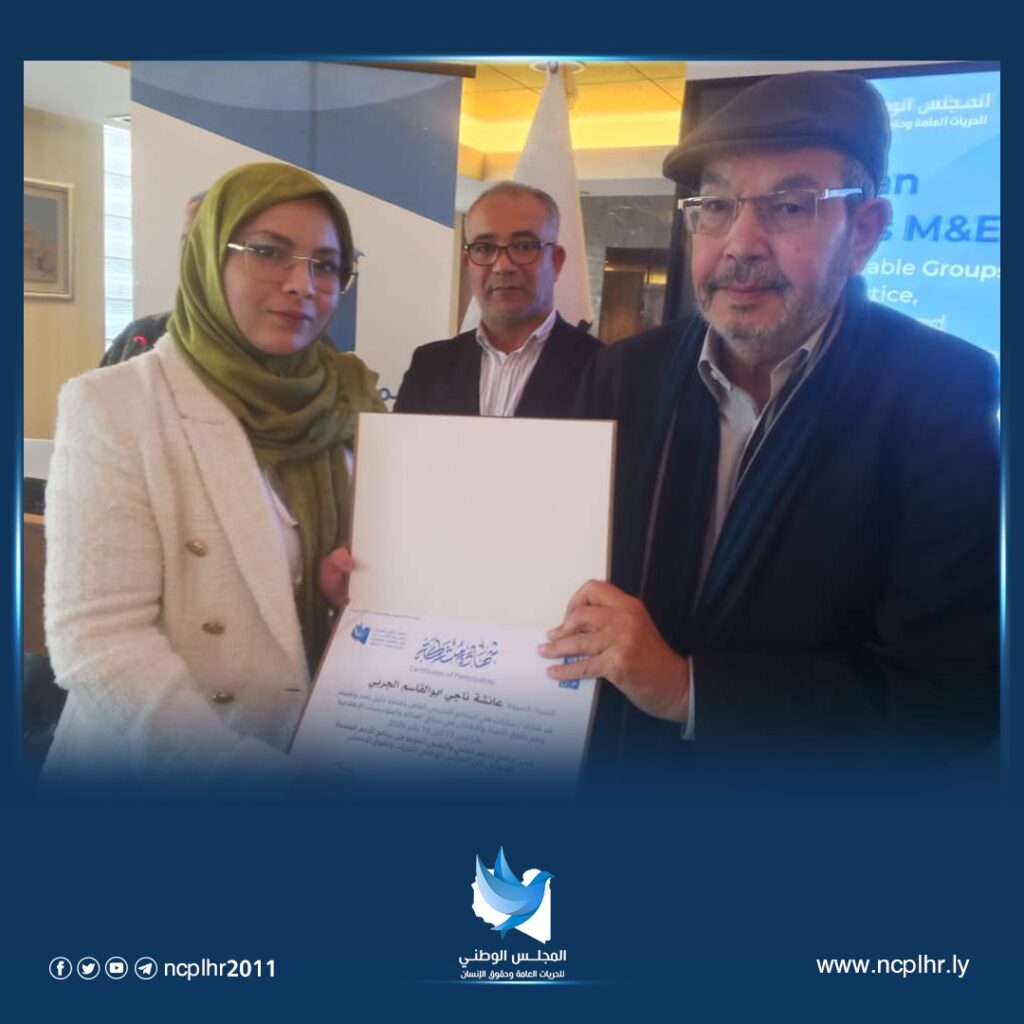
وفي ختام الفعالية، جرى توزيع شهادات المشاركة على أكثر من (75) متدرباً ومتدربة من منتسبي المجلس الوطني للحريات وحقوق الإنسان، يمثلون مختلف المناطق (الشرق، والجنوب، والوسط، والغرب)، إلى جانب موظفي عدد من الإدارات المختصة بديوان المجلس، وممثلين عن مكتب حقوق الإنسان بوزارة الداخلية، والهيئة العامة لصندوق التضامن الاجتماعي.
وشهد حفل الاختتام حضور الأستاذ الحقوقي محمد العلاقي، أول رئيس للمجلس الوطني للحريات وحقوق الإنسان منذ تأسيسه، والأمين الإداري العام للمجلس الأستاذ محمد المكشر، وعدد من مديري الإدارات بالمجلس ، كما حضر عن برنامج الأمم المتحدة الإنمائي السيد حسام الدين إسحاق، مدير مشروع تعزيز سيادة القانون والعدالة في ليبيا، يرافقه وفد من خبراء البرنامج، ضم الدكتور محمود عبدو، أخصائي أبحاث سيادة القانون والأمن وحقوق الإنسان بالمكتب الإقليمي لبرنامج الأمم المتحدة الإنمائي في الدول العربية – عمّان، والسيد علاء دحيم، منسق مشروعات العدالة وسيادة القانون.
وقد أُلقيت خلال الاحتفال عدة كلمات أثني فيها على جهود المجلس في إدارة حقوق الإنسان وتطوير آليات عملها ، مؤكداً على أهمية اعتماد هذه الأدلة الإجرائية باعتبارها أدوات عملية تسهم في تعزيز الامتثال للمعايير الدولية لحقوق الإنسان، ودعم مبادئ سيادة القانون، والمساءلة، وحماية الفئات الأكثر عرضة للانتهاكات.
ويُذكر أن برنامج اعتماد الأدلة الإجرائية الحقوقية نُفذ تحت إدارة وإشراف الخبير الدولي الدكتور عبدالله أبوزيد، وانطلق بتاريخ 6 يناير 2026م، واستمر لأكثر من أسبوع، وتضمن تنظيم ثلاث جلسات عمل متخصصة ركزت على بناء القدرات الفنية وتوحيد منهجيات الرصد والتقييم والتوثيق.
ويعكس هذا البرنامج التزام المجلس الوطني للحريات وحقوق الإنسان، بالشراكة مع برنامج الأمم المتحدة الإنمائي، بتطوير منظومة وطنية مستدامة لرصد أوضاع حقوق الإنسان، بما يعزز حماية الحقوق والحريات، ويواكب المعايير الدولية ذات الصلة .
National Council for Civil Liberties and Human Rights Concludes, in Partnership with UNDP, the Program for the Adoption of Specialized Procedural Guidelines for Monitoring and Assessing Human Rights Conditions
Tripoli – Wednesday, 14 January 2026
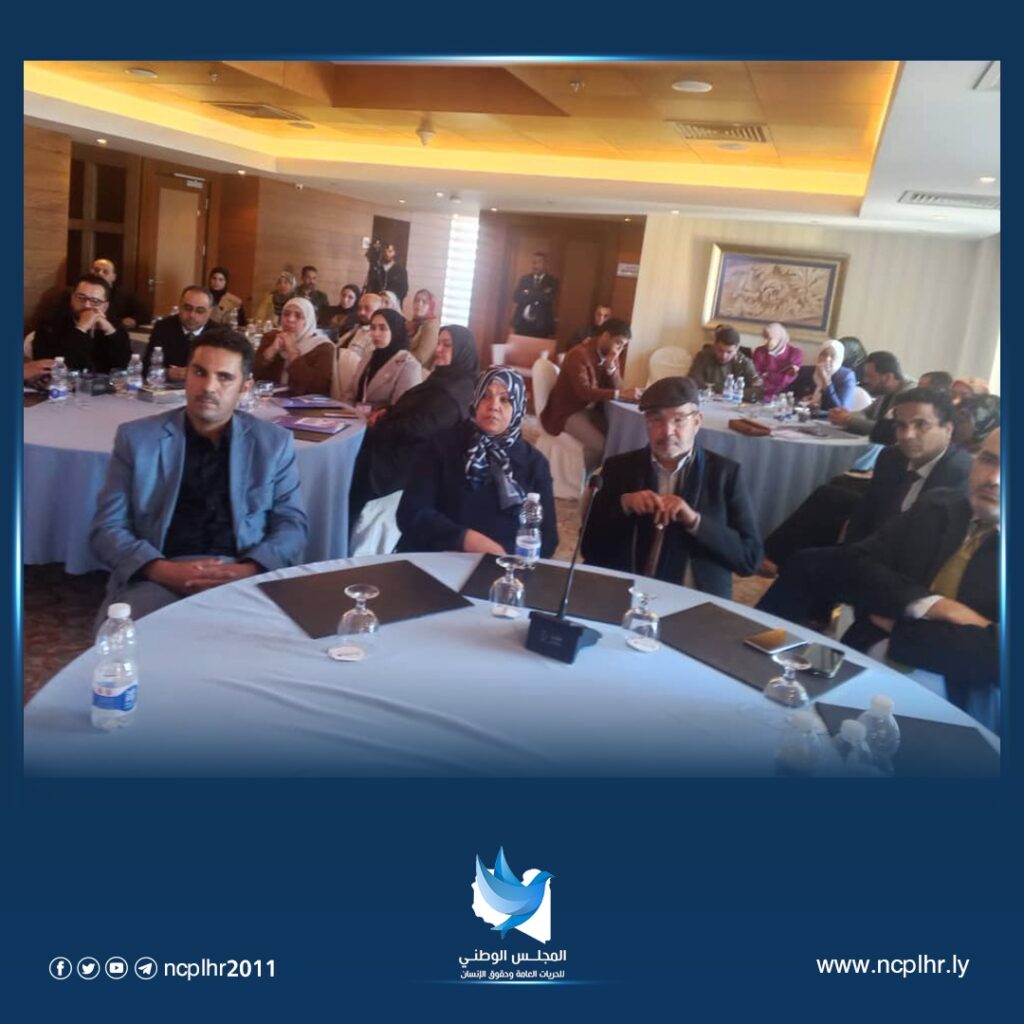
The National Council for Civil Liberties and Human Rights concluded on Wednesday evening, in cooperation and partnership with the United Nations Development Programme (UNDP), the activities of the Technical and Institutional Support Program for the adoption of a package of specialized procedural guidelines for monitoring and assessing human rights conditions. The closing ceremony was held at the Radisson Blu (Al-Mahari) Hotel in Tripoli, with the attendance of a distinguished group of national and international officials and experts.
This program was implemented as part of efforts to strengthen the Council’s institutional capacities and to develop its tools for monitoring, documentation, and evaluation, in accordance with a human rights–based approach and in line with relevant national standards and international conventions.
The adopted package of procedural guidelines included:
• the Procedural Guideline for Monitoring and Assessing Human Rights Conditions in Social Institutions;
• the Procedural Guideline for Monitoring the Situation of Persons with Disabilities within Residential Care Institutions, in accordance with the Convention on the Rights of Persons with Disabilities; and
• the Procedural Guideline for Monitoring and Assessing the Human Rights Situation of Women and Children in the Context of Justice and Correctional Institutions, based on the relevant international conventions to which the State of Libya is a party, as well as international criminal justice standards.
At the conclusion of the event, certificates of participation were awarded to more than 75 male and female trainees from the National Council for Civil Liberties and Human Rights, representing all regions of the country (East, South, Central, and West). Participants also included staff members from several specialized departments within the Council’s Secretariat, as well as representatives from the Human Rights Office at the Ministry of Interior and the General Authority of the Social Solidarity Fund.
The closing ceremony was attended by human rights lawyer Mr. Mohamed Al-Alaqi, the first President of the National Council for Civil Liberties and Human Rights since its establishment; the Council’s Administrative Secretary-General, Mr. Mohamed Al-Makkasher; and a number of department directors. Representing UNDP, Mr. Hossam El-Din Ishaq, Project Manager of the Rule of Law and Justice Enhancement Project in Libya, attended alongside a delegation of program experts, including Dr. Mahmoud Abdo, Rule of Law, Security and Human Rights Research Specialist at the UNDP Regional Hub for Arab States in Amman, and Mr. Alaa Dhaheim, Justice and Rule of Law Project Coordinator.
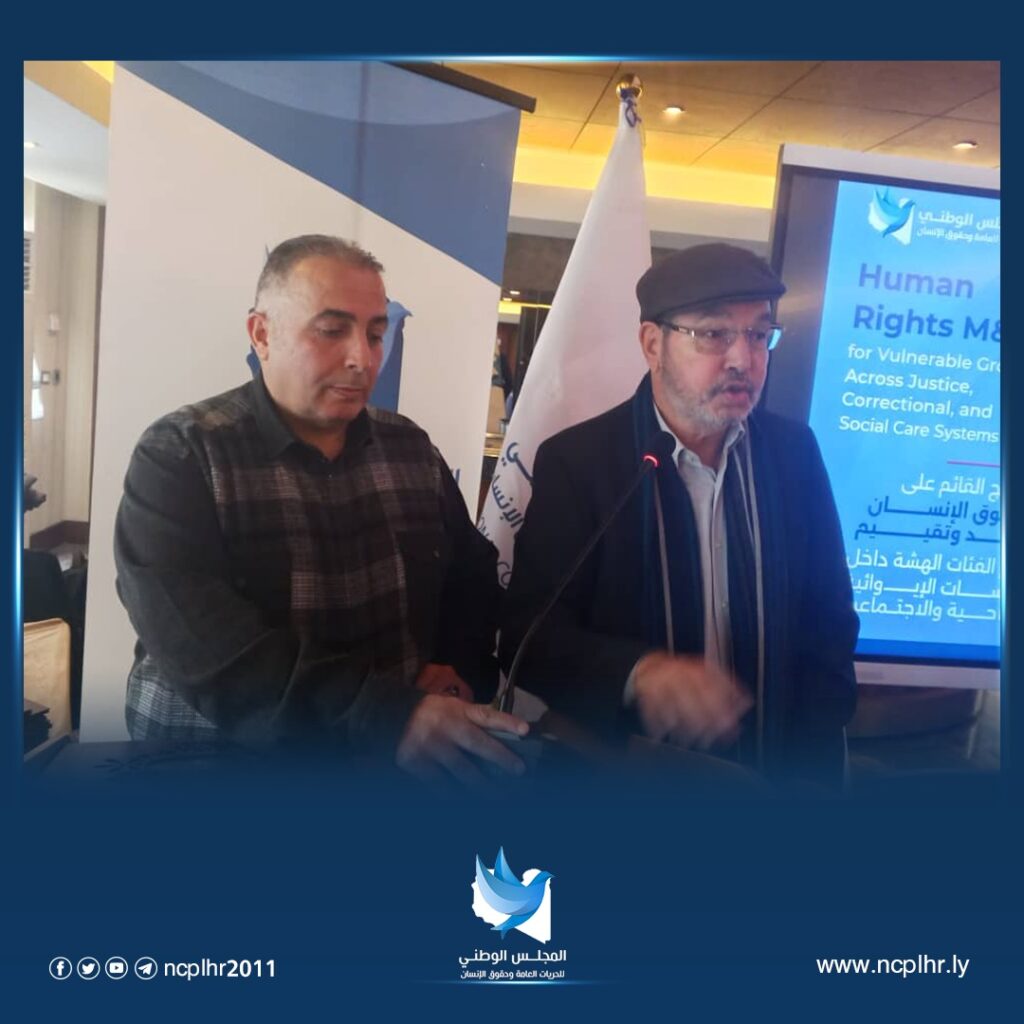
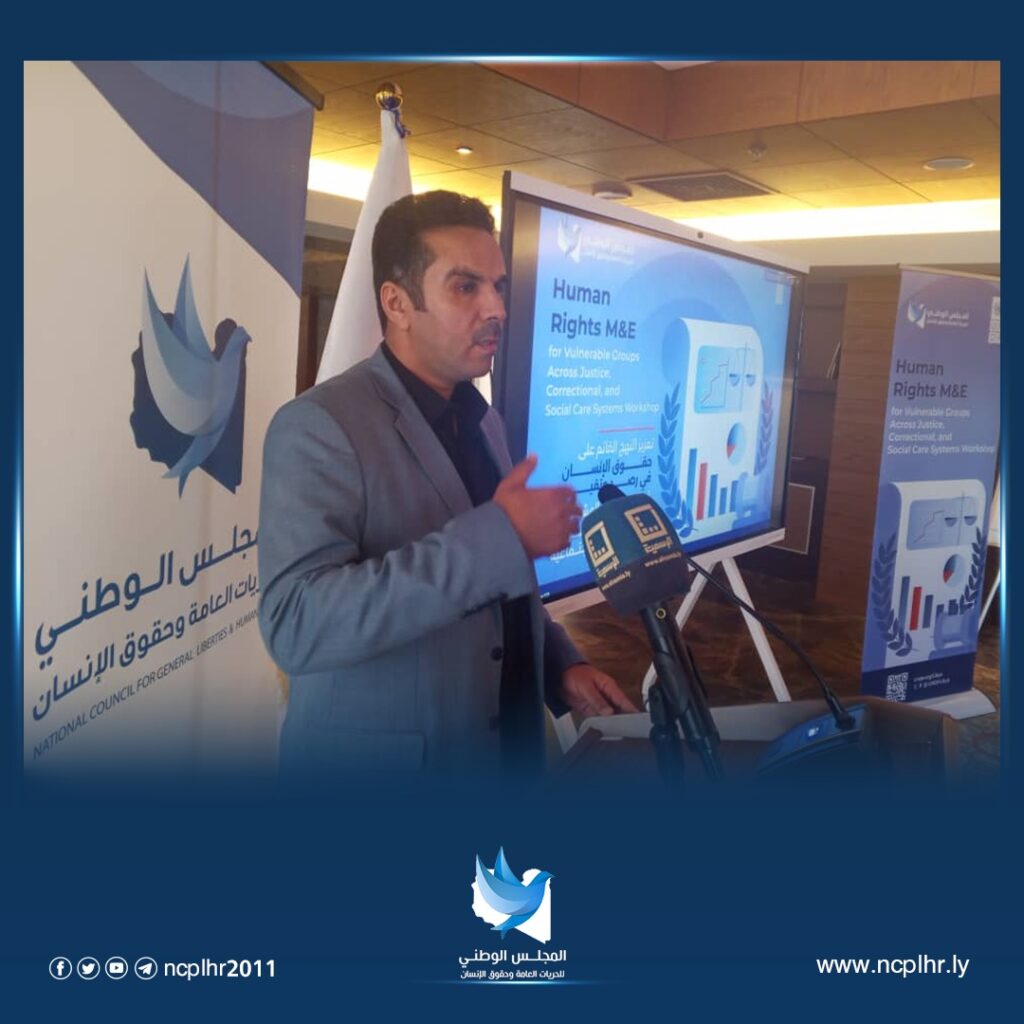
Several speeches were delivered during the ceremony, commending the Council’s efforts in managing human rights affairs and developing its operational mechanisms, and emphasizing the importance of adopting these procedural guidelines as practical tools that contribute to enhancing compliance with international human rights standards, supporting the principles of the rule of law and accountability, and protecting groups most vulnerable to violations.
It is worth noting that the Human Rights Procedural Guidelines Adoption Program was implemented under the management and supervision of international expert Dr. Abdullah Abuzeid. The program commenced on 6 January 2026, lasted for more than a week, and included three specialized working sessions focused on building technical capacities and unifying methodologies for monitoring, assessment, and documentation.
This program reflects the commitment of the National Council for Civil Liberties and Human Rights, in partnership with UNDP, to developing a sustainable national system for monitoring human rights conditions, strengthening the protection of rights and freedoms, and aligning national practices with relevant international standards.
للتواصل مع المجلس:
info@ncplhr.ly
X / Facebook / Instagram /YouTube :
ncplhr2011
